


Most young people today rent the homes that they live in. Very few of us can afford to buy as soon as we’re ready to live without our parents, and for many, renting is the only option if they want to live with a partner or friend, move closer to work, live in a new location or gain some independence. Many of us rent more than once, moving from short-term rental to short-term rental until we’re able to settle.
Renting gets a bad reputation, but it’s not all bad. It’s a great way to live more flexibly. You’re not stuck with a long-term financial commitment, and you can move on when you are ready. You don’t have to be responsible for repairs and maintenance, and your landlord is ultimately responsible for the safety of your home. It can be ideal for many.
However, that financial freedom doesn’t mean that renting is cheap. Most landlords will ask for a security deposit or bond when you move in, as well as a month’s rent upfront. This can be a substantial amount of money and is certainly a fee that you’ll want to get back if you ever leave, especially if you need to pay another deposit and lot of rent on the home that you are moving into.
These deposits are taken to ensure that the home is returned in good condition. Any repairs or other work needed will be taken out of your deposit when you move out, decreasing the amount that you will get back. While fair wear and tear are allowed, if your landlord needs to hire a cleaner or repairman (they won’t do it themselves to save you money!), you can suddenly find that most of it has gone. So, what can you do to make sure you’ll be getting your deposit back when you move?


Perform a full inspection before moving in
Your landlord will compare the state of the property when you moved in, to how it looks when you leave. If something was broken when you moved in, it’s certainly not your responsibility to fix it or to lose money from your bond because of it.
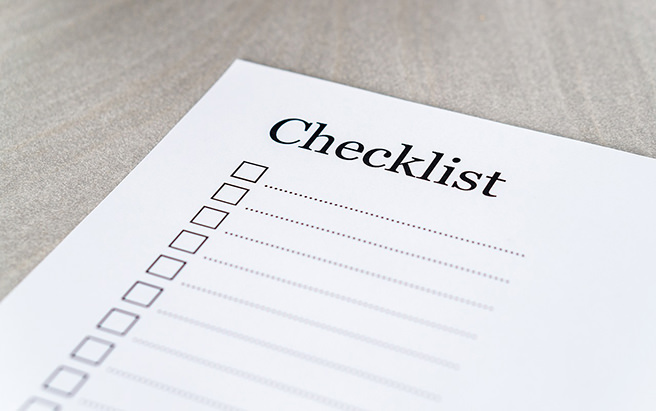
Don’t trust your landlord to be thorough. Before you move in, perform your own inspection, making notes and taking photos of all of the rooms and any damage or unclean areas. Send a copy to your landlord and keep a copy for your own notes.

Report any issues during your tenancy
If there’s a problem with your home during your tenancy, report it to your landlord as soon as you can. It’s their job to fix it, as long as it wasn’t your fault, but they can only do this if they know about it. If you fail to tell them, you may be charged for the repairs when you leave.

Keep a little spare paint
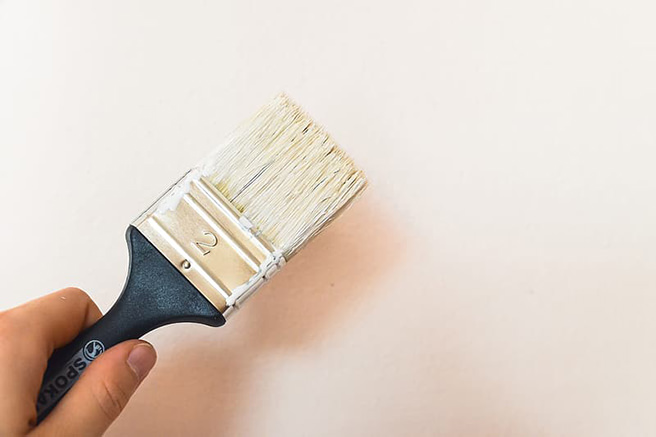
You could lose money from your deposit for something as small as an oily mark, where you’ve stuck a poster to a wall, or a mark from dirty fingers. Keep a spare tin of paint, and touch up before you leave. You may need to quickly paint a full wall to keep it even, but it will be substantially cheaper to do it yourself.
Get handy with some filler
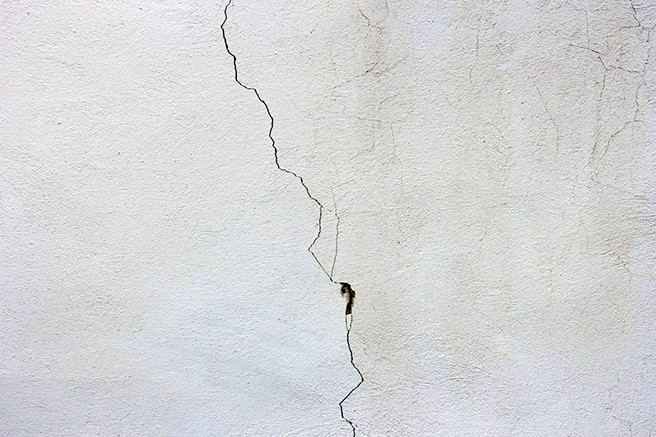
You might worry about holes that you might have made with picture hooks, or by securing large furniture to walls, which is, of course, essential if you have young children. But, this isn’t usually cause for concern. If you remove any nails or plugs from the wall, you’ll probably be able to fill it yourself with a little filler from your local hardware store. Then, gently sand it down and add a lick of paint to finish. Good as new!

Invite your landlord round when you decide to move
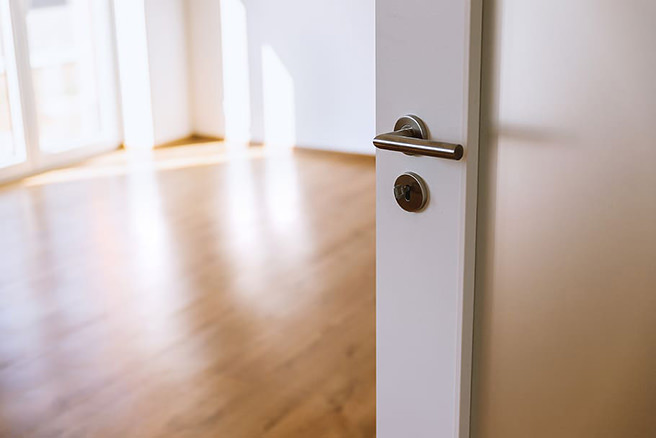
When you decide that you want to move, it can be a good idea to invite your landlord around for a preliminary, off-the-record inspection. They might give you some ideas of things that you should do before you leave, giving you a great head start.
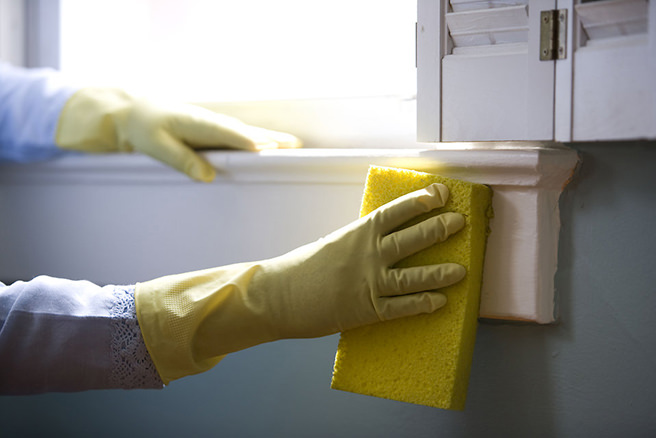
Hire a cleaning team
You might think that your cleaning standards are pretty high. But, if you don’t leave the property in a condition that someone new could move into, your landlord may decide to hire a cleaner or cleaning team and take their fee out of your deposit.
It can be easier to hire an End of Tenancy Cleaning service yourself. You might get a better price, and at least you have peace of mind. Just make sure you keep a record of the cleaner that you’ve used, in case your landlord tries to charge for further cleaning services.

Read your tenancy agreement thoroughly
One of the best things that you can do is read your tenancy agreement thoroughly. Do this before you sign it, so that you know if there are any restrictions, and ask your landlord if there is anything that you are unsure about. Then, reread it before you move out so that you know what is included in fair wear and tear, and what you might need to do before you leave.
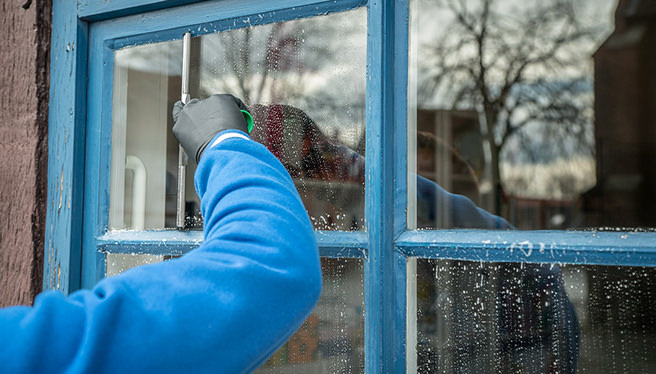

Keep cleaning to a high standard
To make things easier, keep your cleaning efforts to a high standard throughout your tenancy. Clean regularly, and make sure things like your oven and windows are cleaned often.

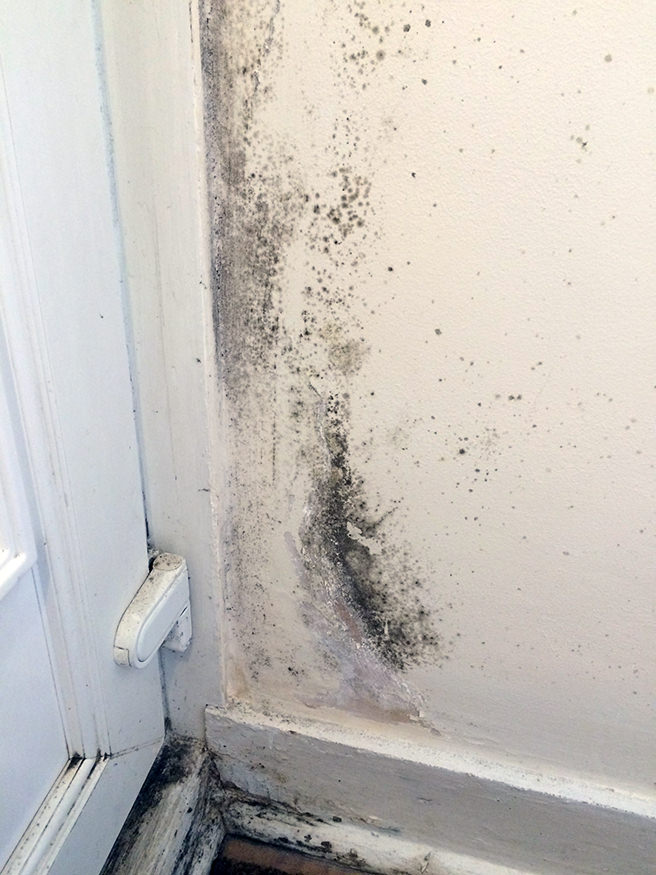
Don’t be defeated by damp or mould
Damp can grow easily, spread quickly, and be hard to remove. We often find patches when we move furniture away from walls, and it is common in humid rooms like your bathroom and kitchen. Get into good habits, like opening windows when you shower and turning on extractor fans, and the risk of mould and damp is much lower. If you do find a patch, treat it quickly before it has a chance to spread.
Don’t leave anything behind
You might not think that leaving a few things behind will matter. But, if your landlord has to pay for any removals, however small, you will foot the bill.

Question any issues
If your landlord takes money from your deposit, ask why and question anything which you think may be unfair.
[disclosure*]