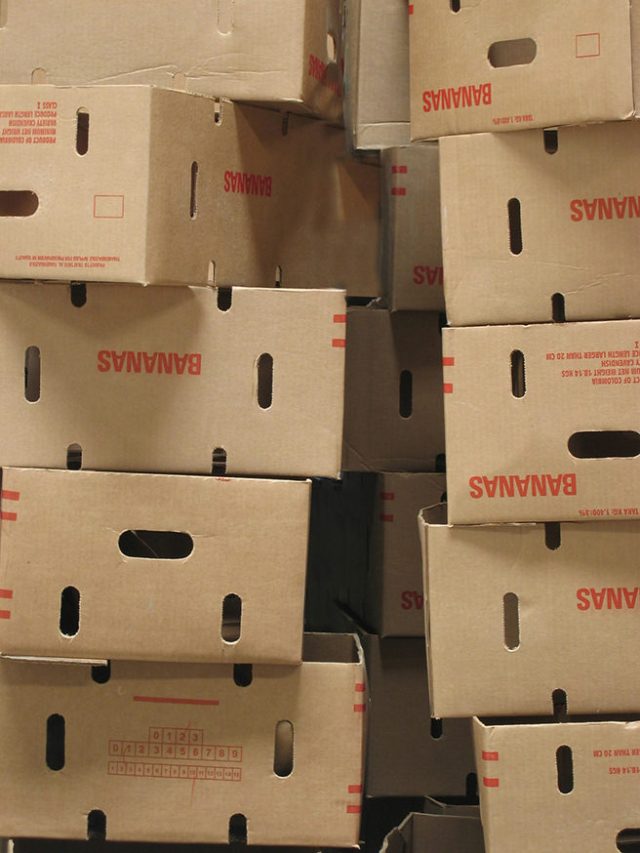
The blogging world likes using euphemisms like “clutter” to describe messy homes, but the reality is often different. It’s not just the odd book piled up here and there. It’s chronic mess that never really goes away. The vast majority of home-owners simply have too much stuff – and it’s turning bad.
So what’s the solution? Well, it’s rarely just one thing. Instead, home-owners need to take a comprehensive approach, dealing with multiple aspects of clutter and adjusting the way that they live. If you’re serious about having a pristine home, you have to be willing to make some sacrifices. You can’t afford to have a 1000-strong DVD or book collection in a small one-bed flat. It needs to go.
Before we delve into the meat of the post, it’s worth thinking about why we might want to rid our homes of clutter in the first place.
The major reason is to control stress. Research shows that people who live in cluttered homes tend to have a much higher degree of psychological tension than those who don’t. In some cases, it can lead to depression and even obesity if not brought under control.
By contrast, actually dealing with clutter and living in a beautiful home brings benefits of its own. People who clean up the clutter and live in clean, bright spaces often feel a profound sense of accomplishment in what they’ve achieved.
So, if your house is disgusting and you want to sort it out, what should you be doing? Read on…
Follow the 80-20 rule
The 80-20 rule appears repeatedly in articles on successful living – and it applies here too. When it comes to decluttering, focus on tidying up 80 percent of the time and don’t focus on the small 20 percent of jobs that will drain your energy. Big things, such as rinsing plates quickly after you use them and folding away clothes are much more effective at keeping your home tidy than little things, such as making sure that you store all your mops in a neat row in your utility cupboard.
You can also follow the 80-20 rule when it comes to throwing out stuff that you don’t need. Research shows that we only regularly wear 20 percent of our clothes, with the remaining 80 percent remaining idle in our drawers and closets.
The 80-20 rule can also apply to where you generate the mess itself. Hallways usually remain clutter-free while kitchens can look like a bomb site after preparing a single meal.

Ignore sunk costs
Many people are loath to get rid of stuff that they own because of the so-called “sunk costs”. In other words, you hang onto things that no longer serve you, only because you spent money on them originally.
When you think about it, this doesn’t make much sense. Furthermore, stuff you own is unlikely to go up in price, so all you’re doing is providing storage for it.
You might think, “Storage in my home is free, so it doesn’t matter”. But, as we’ve seen, there are hidden costs. Keeping clutter in your home increases stress levels and may even lead to illness. It also prevents you from enjoying your property in the way that you’d like.
Check your items actually work
Sometimes you hold onto things believing that they will “come in handy in the future”. But that argument doesn’t work as well if things are actually broken.
That coffee machine that’s just lying around in your kitchen cupboard – check that it actually works. Try to make coffee with it. You’ll often find that you can’t. The same goes for your grandfather’s old gramophone. Wind it up and see if the turntable works properly. If it doesn’t, do you need to keep it?

Start with small projects
If your house really is like a bomb site in every room, it can be hard to know where to start. In many cases, you may feel overwhelmed with the magnitude of the task before you.
If that’s how you feel, start with small projects and build your way up. The best place to begin your decluttering projects is in the bedroom itself. If you can make your sleeping area tranquil and beautiful, you’re much more likely to feel positive when you wake up in the morning, setting you up for the rest of the day.
Small, manageable projects give you a sense of success and put you on a roll. The more projects you complete, the better you feel.
Farm it out
If you really do have too much quality stuff in your home and you can’t get rid of it, you can always farm it out to self storage units. This way, if you notice your home becoming cluttered, you can get rid of it quickly, without having to take it to the dump.

Sleep on it
Another thing you can try is sleeping on it. If you’re not sure whether you want to chuck something or not, go to bed and then see how you feel about it in the morning. Often, when you wake up, you’ll feel more decisive about whether an item stays or goes.
Clear all the flat surfaces
Take a look at all the flat surfaces in your home; kitchen counters, living room sideboards, coffee tables etc. Are they cluttered? If you’re like most people living in messy homes then they are. You’re using them for all sorts of things that should really be tucked away in storage cupboards.
Clearing flat surfaces can make a tremendous visual impact on your home. All of a sudden, all that clutter disappears and you feel like you’re back in control.
In the kitchen, for instance, don’t leave piles of plates or glasses on the sideboards. Instead, only leave a couple of pieces of equipment that you absolutely need, such as the kettle or the coffee machine. If you have a rice cooker you only use a couple of times a month, put it away somewhere.

Start categorising
Just putting stuff away randomly, though, probably won’t help you deal with your clutter problems. The moment you need something, you’ll have to go digging through all your drawers and cupboards, removing stuff in the process, adding back to the clutter.
The trick here is to start categorising everything by type. Once you have a good filing system in place, you automatically know where everything in your home is, without having to go searching around all the time.
Get rid of anything that doesn’t bring you joy
Marie Kondo says that home-owners should get rid of anything that doesn’t bring them joy. What she means by this is actually very interesting. Her philosophy is that a home should be all about you and your well-being. However, so often, we hang onto objects that no longer serve our needs, just because we feel we have to.
If this sounds like you, put everything you own to the “delight” test. If it doesn’t delight you, get rid of it.

Consider the last time you used something
If you’re still struggling to get rid of things, try considering the last time you used them. For example, if you bought a mandolin set for your kitchen, think back to the last time you actually used it to prepare veggies instead of a knife. If you’re honest with yourself, it was probably a long time ago. Anything over a year, it almost certainly isn’t worth keeping.
So there you have it… how to sort out your home if it’s a disgusting mess.
[disclosure*]