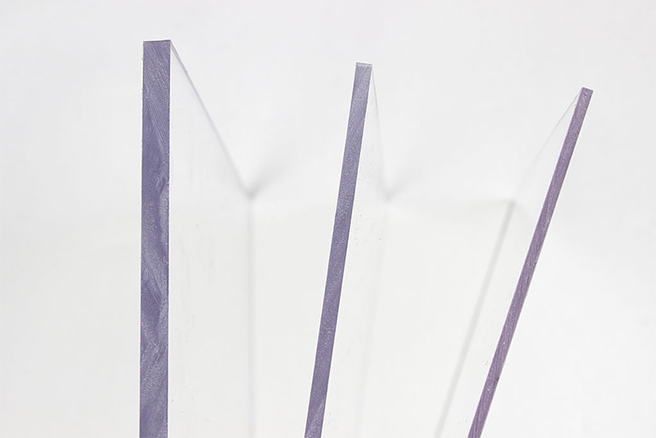
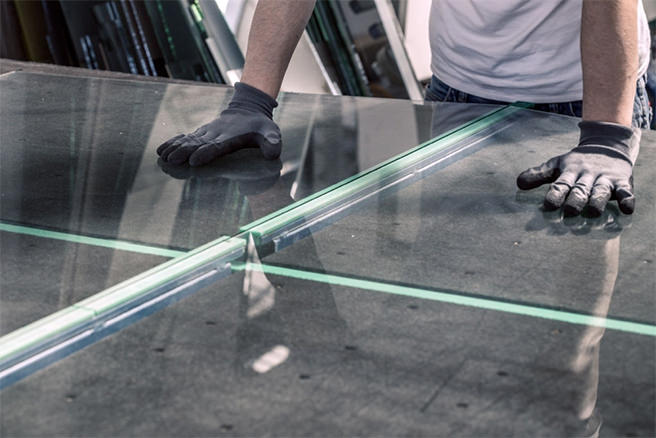
Acrylic is a thermoplastic material that resembles glass in many ways. It’s a strong and long-lasting type of homopolymer that has commonly become known as acrylic. Since acrylic offers the same beauty of normal glass, without the possibility of dangerous breakage, it’s a popular alternative for homes and businesses alike.
How strong is acrylic?
Acrylic is a sturdy material that is stronger and more durable than glass or plastic. Due to the way it’s created, it can withstand an impact of several times more pressure than normal glass.
Is acrylic clearer than glass?
Normal light transmission with a window made of glass is around 80% and, as glass gains thickness, it loses clarity. Acrylic has a transparency rate of up to ninety-three percent, and it doesn’t lose its clarity as thickness increases.
How easy is it to use Plexiglas for DIY projects?
Plexiglass, which is another term for acrylic, is an ideal alternative to glass for many interior decoration projects. Plexiglass sheets are more durable and can withstand more pressure than normal glass. Also, they’re designed to break into dull-edged pieces if they crack. This makes them a safer and all-around smarter choice for DIY projects.
Is drilling acrylic possible?
Drilling into acrylic can be difficult if not using the correct drill bit. Typical bits that are designed for wood or metal are too abrasive and will scratch the acrylic. Using a drill bit specifically for plastics will prevent damage.
credit
How do you bend acrylic to form different shapes?
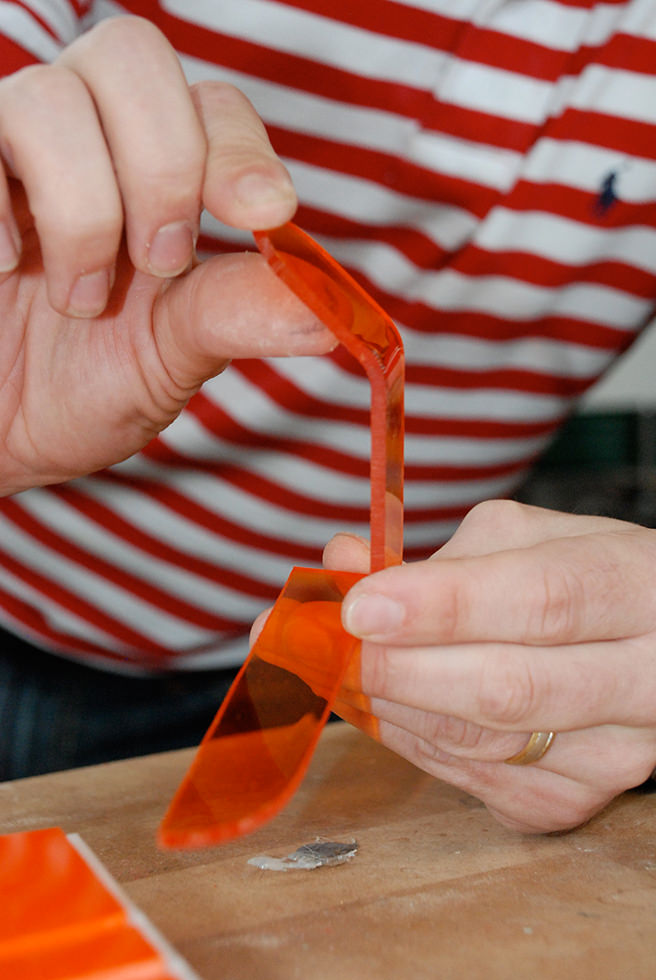
Plexiglass material becomes malleable at 160 degrees Celsius. The sheet of acrylic must be marked out and then heated before shaping can occur. This is a delicate process, though, as the acrylic can tear from too much movement.
How do you join acrylic edges in DIY projects?
Connect acrylic sheets together by using acrylic cement. This special glue actually softens the edges of the acrylic sheet, causing it to bond to another. Common super-glue isn’t recommended for acrylics, as it’s not as strong as the cement and may lead to whitening of the acrylic.
Can acrylic be replaced with glass?
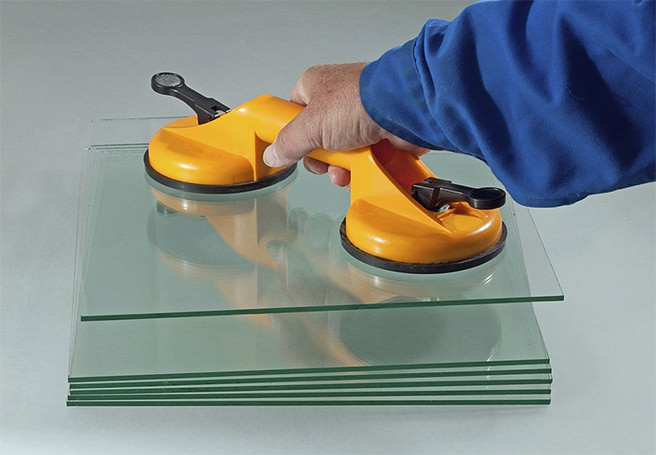
Glass and acrylic sheets are often used as alternatives to one another. Acrylic has the advantage of clarity, while glass is a common item found commonly in most stores. They can be interchanged, but each one serves a purpose depending on the project.
Why is acrylic used instead of glass?
Plexiglass, a thermoplastic material made by PMMA, or polymethyl methacrylate. It is known by the brand names of Plexiglas, Perspex, Crylux and Lucite to name a few. It shows similar transparency to glass. But this material is stronger and lighter, making it ideal alternative to glass in many situations. Acrylic can be more expensive than glass, but its functionality is many times better than glass.
How do you clean an acrylic sheet?
Acrylic sheets can damage easily if you use the wrong cleansers. A mild detergent or a plastic-specific cleaner is best and will remove all debris. In addition, using a soft cloth, made of cotton or microfibre, is best to prevent scratches to the sheet.
How do you polish an acrylic sheet?
If a sheet is scratched or chipped, a quick polish can resolve many of these irregularities. A flame polish causes the acrylic to melt and smooth over, while a machine polish can buff out larger scratches with the use of a tool. Vapour polishing places a layer of vapour over the acrylic to remove all foreign particles and enhance the clarity of the acrylic.
How do you cut an acrylic sheet for different projects?
Using a circular saw with cross-cut teeth and a fine blade is best for acrylic cutting. The material must be kept cool, which can be achieved by spraying water over the cut zone. Moving slowly and with caution will make a clean cut.
What temperatures can acrylic tolerate?
Acrylic begins to soften at 160ºC. It’s advised to keep the acrylic between the temperatures of -40 and 80 ºC.
Are acrylic windows truly protected against UV radiation?
Glass is known for filtering out UV rays in applications like car windscreens and windows in buildings. Acrylic sheets made from pure PMMA don’t protect against this radiation, allowing UV light to penetrate the acrylic.
Are coloured acrylic sheets better than clear ones?
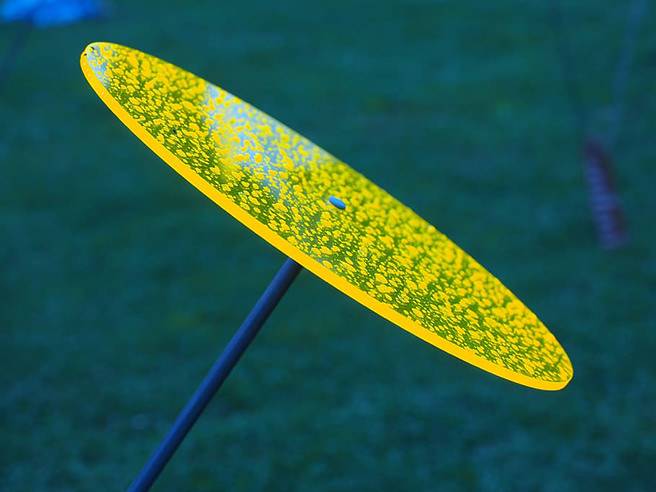
Colours added to the acrylic do not alter the durability of the material. Using a coloured sheet of acrylic is beneficial only for design or aesthetic purposes.
Where is acrylic glass commonly used?
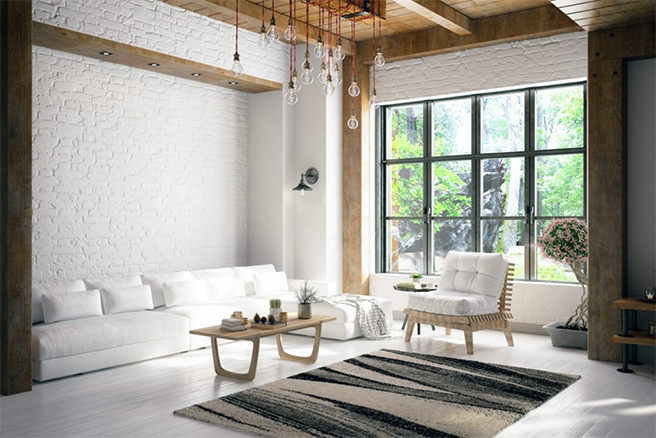
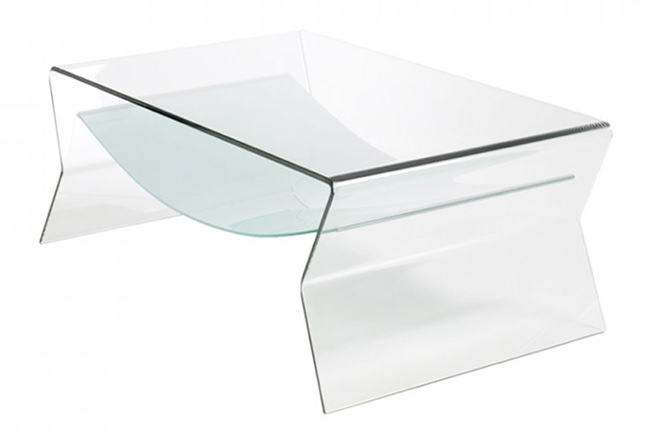
Acrylic glass is found in a variety of commercial and residential projects. Acrylic can be used for windows, lighting, wall art frames, shower enclosures, greenhouses and furniture.
How much does an acrylic sheet cost?
Depending on the size and shape, acrylic sheets are available in a range of prices. Acrylic is often more costly than normal glass due to the added benefits of durability, malleability and safety. A 4-foot by 8-foot sheet of acrylic, with a ¼-inch thickness, may cost around $270.
[disclosure*]