

There’s nothing more infuriating than trying to keep up with the Joneses. You’ve converted your attic into an office, transformed your basement into a man cave and knocked down your double garage for reasons you can’t remember.
Then your smug neighbour waves at you from his new conservatory – he has a glass of wine in hand and a satisfied smile on his face – as you stand in your garden green-eyed and conservatory-less. Damn those Joneses!
Unlike man caves and offices that have long been abandoned, and financial ramifications written off, conservatories are actually extremely useful additions to the home.
But, before you rush out to the nearest conservatory superstore (that’s not really a thing) to wave your credit card at a hapless assistant, there are a few important things you must first consider.
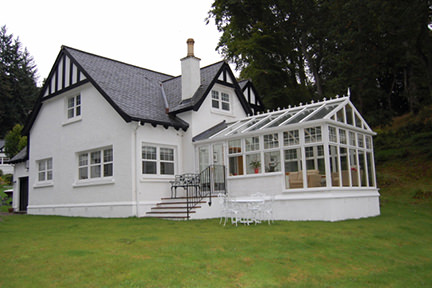
Planning permission
According to the government, conservatories fall under the same planning regulations as any extension or addition to a house. This means that, provided certain limits and conditions are met, it won’t require an application for planning permission. To ensure you meet these conditions, though, you should familiarise yourself with the government’s handy Planning Portal guide.
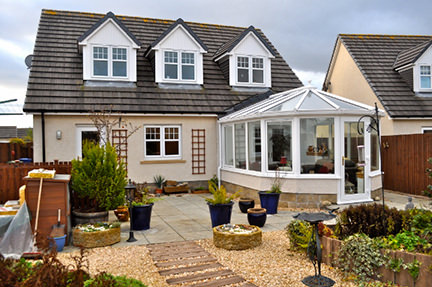
Check with the neighbours
While it’s not essential you check with your neighbours before pressing ahead, it will do a lot for relations if you keep them in the loop regarding potential building work. It’s also a good time to make them green with envy as you unveil your plans for an all singing, all dancing conservatory that’ll make their own seem like a shoddily erected tent in comparison!
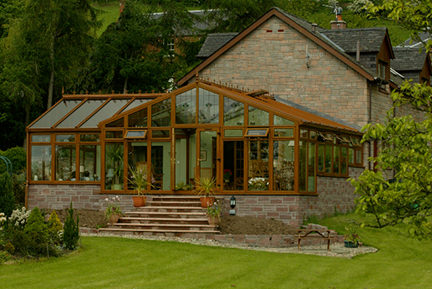
Choose your style
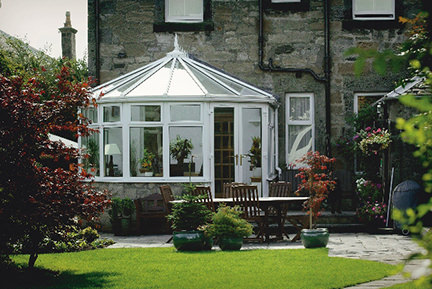
It won’t surprise you to learn that conservatories come in all shapes and sizes. Older properties can opt for a Victorian or Edwardian style, while modern homes can take advantage of more contemporary, bespoke designs. Whatever you plump for, it’s important to make sure it fits with the existing look and feel of your home, lest it sticks out like a very expensive sore thumb.
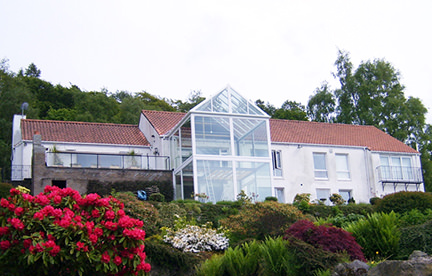
Energy efficiency
We’re all conscious of how much energy we’re using these days. When it comes to buying and installing your conservatory then, this focus shouldn’t waver. As such, it’s important to make sure your new space will be properly insulated and the glass used on all levels has a low U-Value (the lower the better for energy efficiency).
Position
Where you position your conservatory will depend on a few factors. For most, options are limited to the back of the property. If this faces east, you’ll benefit from the early morning sun, with the heat warming your conservatory for the rest of the day. If it faces north, it can be extremely chilly during the winter, while a south facing space means it can be unbearably hot during the summer months.
By Paul Watson