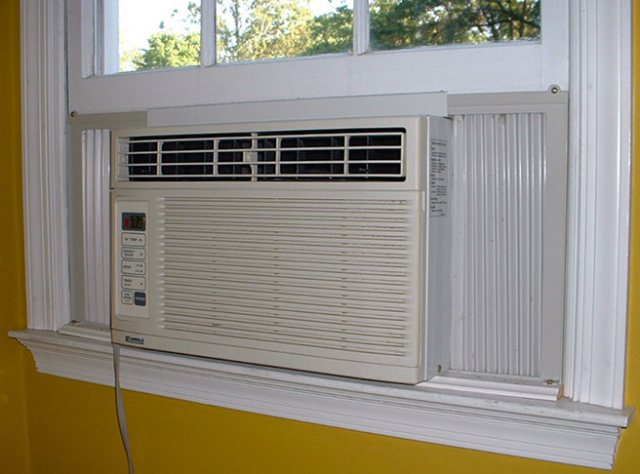
Getting a portable air conditioner with the best value

Getting a portable air conditioner with the best valuecredit

During the summer, the heat from the sun can be unbearable. It can be even worse if you live in a house without an air-cooling system. For this reason, many people opt for a central air conditioner that regulates the indoor temperature and humidity. However, such units require space, venting and even more power consumption.

Not all homes have provision for window air cooling systems. As such, it’s essential to find an alternative. Portable air conditioners are ideal replacement options for these cooling units. They keep the room cool, take up less space and require far less power to operate. In some cases, a centralised cooling system may not get the job done. You can replace it with a portable cooling option to direct air flow more effectively.

Aircon illustration

How efficient are portable air conditioning systems?

“Can a portable cooling system keep my home cool and regulated?”, you may ask. In a word, yes. These air conditioning units are designed to provide unique cooling options, regardless of the size of your home or office. As long as your air conditioner has the appropriate BTU power for the room size and is well vented, you should achieve the required temperature. Most portable ACs provide the same result as window air conditioning units. One of their functionalities includes venting warm air outside.

Do you have a residential, commercial or industrial building that requires cooling? Portable air conditioners can create the desired environment. To maintain your unit, you should drain the condenser on a regular basis. This will prolong the cooling system’s life span.

Air conditioning illustration

Factors to consider when shopping for a portable aircon

The keyword here is ‘portability’. You need an air conditioning unit that provides easy mobility. It has to be the right size for your room and transportation. For this reason, consider the following factors:

Energy consumption rate

All electronic appliances run on energy, including portable air conditioners. Energy takes a toll on your expenses and the environment. Consequently, many households have switched to energy-efficient cooling systems. You need a portable air conditioner that is both low-energy and robust enough to cool your room to the right temperature. Units with small capacities may be inefficient for this task, while those with extreme power demand can make you uncomfortable due to the constant production of freezing air. Understanding your device’s BTU rating will avoid this problem. Ideally, 1,800 BTUs are required for every 100 square feet to produce efficient cooling air.

Energy efficiency

As partly discussed in the section above, having an energy-saving cooling system will reduce power consumption and still cool your room effectively. These units may be slightly more expensive than the standard cooling systems. However, you don’t have to risk high running costs or outrageous utility bills. Research which cooling appliance has the best energy rating and comes with the Energy Star seal.

Air conditioning unit illustration

Bottom line

Portable air conditioners are easy to manoeuvre. You can easily lift, transfer and position them in your vehicle, home or office,. These cooling units also help to eliminate air-borne particles, creating a clean and humidified environment.

[disclosure*]

Price Points: Air conditioners

3 Air conditioners | H is for Home

We stayed a while in the Lake District recently. It was glorious, but really, really hot – great for swimming in rivers, but pretty uncomfortable to sleep in. And, if it was uncomfortable in the Lake District, we hate to think what it was like in busy urban centres. You could open a window, of course, but sometimes the air outside is even hotter than that inside – plus, you let any outdoor noise in as well.

We bet there are a few of you out there that have been praying for some kind of air conditioning to come to the rescue. This current high pressure system seems set to last a while yet – and there are a few more months of summer too. So here are three domestic air cooling systems at various price points that might bring some relief!

  1. Arctic Air Personal Space air cooler: £19.78, TomTop
  2. Electriq Slimline ECO evaporative air cooler with built-in air purifier and humidifier – AC100R: £89.97, appliancesdirect
  3. DYSON Pure Cool Tower smart air purifier: £499.99, Currys

shop air conditioners

Some of the links on our blog are affiliate links. We may receive a small commission - at no cost to you - if you click through and make a purchase.
Prices & links correct at time of publication.

DYSON Pure Cool Tower Smart Air Purifier
£499.99
Electriq Slimline ECO Evaporative Air Cooler with built-in Air Purifier and Humidifier – AC100R
£89.97
Arctic Air Personal Space Air Cooler
£19.78
DYSON Pure Cool Tower Smart Air Purifier
£499.99
Electriq Slimline ECO Evaporative Air Cooler with built-in Air Purifier and Humidifier – AC100R
£89.97
Arctic Air Personal Space Air Cooler
£19.78
DYSON Pure Cool Tower Smart Air Purifier
£499.99
Electriq Slimline ECO Evaporative Air Cooler with built-in Air Purifier and Humidifier – AC100R
£89.97
Arctic Air Personal Space Air Cooler
£19.78
DYSON Pure Cool Tower Smart Air Purifier
£499.99
Electriq Slimline ECO Evaporative Air Cooler with built-in Air Purifier and Humidifier – AC100R
£89.97
Arctic Air Personal Space Air Cooler
£19.78
DYSON Pure Cool Tower Smart Air Purifier
£499.99
Electriq Slimline ECO Evaporative Air Cooler with built-in Air Purifier and Humidifier – AC100R
£89.97
Arctic Air Personal Space Air Cooler
£19.78

3 Ways to decide if you need residential air conditioning repair or a new system

3 Ways to decide if you need residential air conditioning repair or a new system

It’s really frustrating when your air conditioner breaks down in the middle of a hot summer afternoon as countless people who it has happened to can attest. The first thing to do, of course, is to call in repair services. However, in some cases, the air conditioning system is beyond repair and the home-owner will need to replace it. It can be a dilemma making the decision between having it repaired or shelling out and buying a new air conditioning system. Choosing between the two can be confusing especially when you don’t have technical knowledge of how these systems work. Often, people opt for the wrong one – costing them much more than necessary.

To determine whether you should have your air conditioning repaired or invest in a new one, consider the following factors:

Air conditioning unit

  1. Age of the unit

This is the first factor you need to consider. Age greatly affects the performance of your air conditioning system. Air conditioning units often come with a longevity recommendation. When your air conditioning has a 15-year mark and it’s only 10 years old, you may opt for repair services like air conditioning repair in McKinney. However, if it’s nearing the 15-year mark, a replacement may be the best decision. Trying to repair a unit way past its recommended year of service can be a false economy, costing you more in the long run.

Air conditioning maintenance

  1. Cost of repair and replacement

Air conditioning repair may sound cheaper than having to buy a new one, but this isn’t always the case. Some repair costs, including service charges and buying spare parts could add up and may cost you more than a new unit. In a case like this, opt for a replacement. Or, when the need to repair seems to occur more often than the usual, the total cost can be overwhelming. Hence, replacement is the wiser thing to do. Be practical on this one and look at it over the long term.

Air conditioning repair

  1. Energy efficiency

There are a lot of contributing factors when it comes to energy efficiency. First is the working condition of your unit. If the unit doesn’t produce as much cold air as it used to even after series of repairs, it’s probably time to buy a new one. Energy efficiency is also about your electricity bill. If you notice your bill is starting to sky-rocket over time and the air conditioning is the only possible suspect, invest in a new one. Finally, consider your space and the traffic in the area. If an additional person or persons are using the room or if the space became bigger due to home improvement projects, it’s may time to buy a new one. However, if the above cases are not among your current situation, you might consider repairing it first.

When you opt for air conditioning repair, make sure you hire the best repair service firm. If you decide to buy a new one, find the unit that is right size and output for your needs. Also, check for the Energy Star label that proves that the unit is energy efficient.

[disclosure*]

Energy efficient options for cooling your home

'Energy efficient options for cooling your home' blog post banner

Living room cooled by a ceiling fancredit

Staying cool in your home does not have to mean watching your energy bills sky-rocket or cringing over your carbon footprint. Depending on the climate in your location, around 20-50% of your energy usage will go towards cooling your home, accounting for around 5-15% of your carbon footprint. If you’re looking for new and innovative ways to stay cool whilst cutting back on energy consumption, we’ve put together a list of ideas that you might find useful.

Man wetting his face with a shower headcredit

Personal cooling alternatives

Keeping our bodies cool is usually the main reason for wanting to cool a home, however it’s important to realise that keeping your body cool does not necessarily mean that you need to cool the whole area around you.

  • Ceiling fans – Installing ceiling fans and ensuring that they are set to circulate in the right direction to keep the air cool in the area is an energy efficient option. It’s a well known fact that a good ceiling fan can help you feel up to five degrees cooler in warm weather.
  • Take cool showers – Rather than turning on the air conditioning, it’s a good alternative to take a cool shower in the evening or late afternoon in order to cool your body down when it needs it the most.
  • Peppermint essential oilPeppermint essential oil can be very effective to cool the skin when sprayed directly, however it’s recommended that you avoid using it near the eyes.

Home cinema with drawn curtainscredit

Indoor home cooling

  • Check for drafts – To help seal the cold air in, you can apply weather-stripping, silicone caulking or foam sealant to doors and windows relatively cheaply. Insulating any electric switches or outlets, attic doors or crawl spaces is also effective.
  • Solar attic fans – Installing a solar attic fan will help to cool the hot air in the space, making it easier to cool the home and resulting in your home energy bill being up to 10% cheaper per year.
  • Increase insulation – Increasing the insulation in your attic, keeping your walls well insulated and installing double-glazed windows will all help to save energy by trapping more cold air indoors.
  • Close curtains – Keeping curtains closed can help to deflect sunlight and keep the room cool.
  • Use alternative cooking methods – Using the oven or stove in the afternoon or evening should be avoided as this can greatly increase the level of heat in the home.

Garden with rectangular shaped pruned treescredit

Outdoor home cooling

  • Plant trees – Planting native, deciduous trees will provide a shade for your home from the hot summer sun. In the winter, they will also serve as a solar heating option for your home when they shed their leaves.
  • Solar screens – Using solar screens on the outside of windows can make a large difference, and are definitely worth investing in. They are also removable, meaning that you can take them down in winter.

Air conditioned living roomcredit

Energy efficient air conditioning use

Although every effort can be made to cool yourself and your home without switching on the air conditioning system, there’ll be times where eliminating using the air conditioning may be impossible. Knowing how to use your air conditioning wisely is important to be energy efficient and get the most out of your efforts to keep your home cool.

  • Exhaust other options – Before turning on the air conditioning it’s important to make sure that you’ve tried every other possible method to cool your home.
  • Consider a small evaporative cooler – These use water blown through wet pads in order to cool the air.
  • Maintain regularly – Annual, proper maintenance of your air conditioning unit is essential in order to be energy efficient.
  • Replace old models – If your air conditioning system is over ten years old, investing in a newer, more energy efficient model can result in halving your energy consumption.
  • Keep it clean – Ensuring that the area around the outside compressor unit is clean will increase air circulation and provide more efficient home cooling.
  • Check air ducts – Climb into your crawl spaces to check for any drafts coming from the air ducts, as insulating them will decrease the loss of cool air and increase energy efficiency.
  • Close doors – Closing the doors around your house will help to keep the cool air trapped inside each room, especially if you have a two-storey home or high or vaulted ceilings. However, you should also consider your thermostat placement in order to avoid inaccurate temperature gauging.

Have you got any great tips for home cooling that you’d like to share with us and other readers? We’d love to hear from you in the comments section below.

[disclosure*]