5 easy ways to improve the safety of a construction site

5 easy ways to improve the safety of a construction site

Before sunrise, a construction site is already alive with movement – forklifts warming up, trucks idling and crews setting up before the first callout. One missed signal or misplaced pallet can halt progress and put workers in danger. Safety isn’t a side task; it’s the structure that keeps every shift running smoothly from start to finish.

Consistency protects both people and productivity. Marking lanes, assigning staging zones and checking lighting before work starts keep teams coordinated and focused. When every action – from posting signs to confirming access points – is part of a routine, risk becomes predictable and preventable. That’s how crews maintain pace without sacrificing the safety of a construction site.

Control access points with smart physical barriers

Controlled access keeps vehicle and pedestrian movement predictable on active sites. Use modular, high-visibility barriers such as removable bollards or fold-down units to control entry without slowing work. Breakaway inserts allow emergency crews to pass through quickly, while interchangeable heads and heavy bases let teams reconfigure routes as staging zones change.

Install collapsible or padlock-operated bollards at main gates to divide equipment paths from walkways. Apply reflective TIGER Drylac finishes to heads and bases, so barriers stay visible through dust, rain and low light. Fit breakaway inserts at emergency points to allow fast entry without vehicle damage, and shift modular barriers as site zones move.

Improve equipment staging and material handling

Organised staging keeps equipment movement predictable and prevents congestion near work corridors. Designate separate areas for parking, refuelling and servicing away from main routes. Store heavy loads on compacted, level surfaces and use chocks or cribbing to stop shifting near walkways. Label each zone by material type – steel, lumber, concrete – to reduce retrieval time and confusion.

Assign a site lead each work period to verify lane widths, confirm fuelling spots are clear of ignition sources and check that emergency routes remain open. Record each handoff and layout update in a daily log with simple sketches. These checks reduce idle time, improve visibility for lighting adjustments and keep work sequences consistent across crews.

Strengthen communication and on-site visibility

Frequent updates stop confusion when site layouts or travel paths change. Mount weatherproof signs and portable LED boards at each work zone boundary to show current activities, closures and hazards. Use plain text that lists the exact risk and required action, such as “Excavation – No Entry” or “Fuel Transfer – Keep Clear”. Post updated access maps at every gate and staging area so drivers and delivery crews follow correct directions.

Equip supervisors with two-way radios or connected mobile devices for instant updates on lane changes, equipment failures or safety alerts. Use short message templates, so crews receive consistent instructions. Keep a shared digital log that records map revisions, signage changes and incident notes. Reviewing this log during each shift highlights problem areas and guides clear communication before new crews arrive.

Build a tiered inspection and oversight program

Frequent inspections detect hazards before they interrupt work. Schedule short daily walk-throughs focused on debris, unsecured materials, leaks and misplaced tools in active areas. Use printed or digital checklists for consistency. Add a weekly review that covers lighting coverage, access routes and barrier positions to catch slow-developing issues on a fixed schedule.

Conduct milestone audits during phase changes or when temporary structures are removed or installed. Record all findings in a shared digital log – using systems such as Procore Safety or SiteDocs – to track recurring hazards, assign corrective tasks and plan maintenance. Make inspection roles part of every workday, so repairs happen before they create downtime or injury risks.

Optimise site lighting and line-of-sight safety

Focused lighting reduces blind spots that cause falls and vehicle collisions. Place portable light towers or pole-mounted LEDs where fixed fixtures leave shadows, aiming light at approach lanes, refuelling points and spill zones. Reposition or tilt fixtures weekly to reduce glare and close gaps as the layout changes.

Use reflective paint or tape on perimeter barriers, bollards and walkway edges to improve contrast in dim conditions. Update illumination plans after every phase change or new structure installation to keep sight lines open. Add brightness checks to weekly layout reviews, so supervisors confirm clear visibility at all approach points before the next shift begins.

Safety improves through specific, repeatable actions that fit into every shift. Moving a removable bollard, repainting reflective heads or checking light angles prevents confusion before work begins. Marked staging zones keep heavy loads stable, walkways open and access lanes clear for forklifts and trucks. Radios, LED boards and posted maps keep routes updated so all drivers and suppliers follow the same path. Tiered inspections identify leaks, debris and blocked exits before they cause slowdowns. When each task is logged, reviewed and corrected in real time, crews stay alert, equipment operates smoothly and every worker ends the day without injury.

[disclosure*]

Modern electrical installation techniques for large-scale manufacturing

Modern electrical installation techniques for large-scale manufacturing

How today’s factories keep everything running smoothly behind the scenes

Step into any modern manufacturing space, and you’ll see something quite striking: carefully organised electrical systems working quietly in the background to keep production moving. They’re not always the first thing you notice, but they’re essential to keeping everyday products made safely and efficiently.

Electrical setups in manufacturing have changed a great deal in recent years. Older factories used fairly simple wiring, but today’s facilities need systems that can adapt, expand and support new technology. Many manufacturers now turn to specialists like Tec-Stop for help designing bespoke wiring solutions and electrical assemblies that feel tailor-made for their operations.

This guide takes a little look at how electrical installations are planned and carried out in large manufacturing settings, without diving too far into the technical detail.

Understanding industrial electrical systems in modern manufacturing

Modern factories work a little like a busy household. Every part relies on something else. Machines, lighting, control systems and safety equipment need a steady flow of power to keep things running smoothly. And because many sites operate day and night, reliability matters a lot.

The evolution of factory wiring

Older facilities tended to have fixed layouts that rarely changed. Today, with automated machinery and digital monitoring, factories need electrical setups that can move, expand or be updated with minimal disruption – not unlike reshuffling a room to make space for new furniture or a more practical layout. Modular wiring helps achieve this flexibility.

Key elements of today’s industrial electrical infrastructure

Most manufacturing spaces depend on a few essential parts:

  • Power distribution throughout the building
  • Control systems to run machinery
  • Monitoring systems to check performance
  • Backup arrangements for unexpected outages
  • Earthing and protection systems for safety

Each one plays its part in creating a safe and reliable workspace.

Modern electrical installation methods for large-scale operations

Electrical work in manufacturing looks very different from the wiring found in homes.

Traditional vs modern approaches

Older methods involved more rigid conduit and long cable runs. Modern installations often use:

  • Pre-built panels
  • Standardised parts
  • Modular sections
  • Cable trays that keep everything accessible and tidy

It’s a bit like the difference between fixed shelving and flexible storage – modern solutions make it easier to add or adjust things as needs change.

Smarter cable management

Neat cable organisation helps keep equipment running well and supports safety. Clear labelling and thoughtful routing make maintenance easier and reduce disruption. Anyone who’s tried to tame TV cables will appreciate the principle here.

Modular installation

Pre-assembled electrical sections can be fitted quickly and safely on site. Because they’re tested beforehand, installation tends to run smoothly.

Industry standards and safety expectations

UK manufacturing sites must follow established safety standards for electrical work.

UK wiring and machinery standards

Electrical installations must meet BS 7671, the UK wiring regulations. Many facilities also follow extra standards for machinery safety and performance.

Health and safety obligations

UK law requires employers to maintain safe electrical systems. This includes regular inspections, proper labelling and good documentation – the electrical equivalent of knowing exactly what’s in your cupboard and where everything belongs.

Quality checks

Before a system goes live, it’s tested to ensure everything works as it should. These checks support long-term maintenance and ongoing safety.

Electrical design principles for manufacturing facilities

Good electrical design considers both present needs and future growth – much like planning a home renovation that leaves room for future ideas.

Planning for power use

Different types of equipment place different demands on a system. Good planning helps avoid overloads and keeps everything working smoothly.

Building in reliability

Some factory equipment needs extra protection or backup options to keep running during short power interruptions.

Preparing for future growth

Leaving spare capacity makes it easier to adapt as the factory evolves. This may involve extra panel space or room for new cable routes.

Best practices for large electrical installation projects

Large electrical projects depend on good organisation, clear planning and communication between teams.

Planning and risk assessment

Before work begins, teams look at potential challenges and how best to carry out the installation safely and efficiently.

Coordinating with other systems

Electrical work must fit around heating, ventilation, fire safety and building management systems. Early coordination helps everything come together smoothly.

Testing and commissioning

Once installed, every system is checked carefully to ensure it works correctly. Up-to-date drawings and documents help future maintenance teams understand the setup.

New technologies shaping the future of manufacturing electrical systems

Technology in manufacturing is always on the move, and electrical systems evolve alongside it.

Smarter energy management

Modern systems can track energy use in real time. This helps factories manage costs, reduce waste and improve efficiency.

Connected monitoring

Sensors can monitor equipment performance and highlight early signs of wear or issues. This helps prevent downtime and supports smoother running.

Efficiency-focused solutions

More factories are adopting energy-saving options that support sustainability goals.

How do modern techniques improve manufacturing electrical projects?

Today’s installation techniques help manufacturers build electrical systems that are safe, adaptable and reliable. When design and installation are handled carefully, facilities experience fewer interruptions and lower long-term costs.

Working with experienced specialists early in the planning process makes a noticeable difference. Their insight helps shape electrical systems that support both current needs and future equipment, much like choosing timeless furniture that works beautifully now – and still fits your home years later.

[disclosure*]

Putting Britain on the map

Collection of vintage British maps | H is for Home

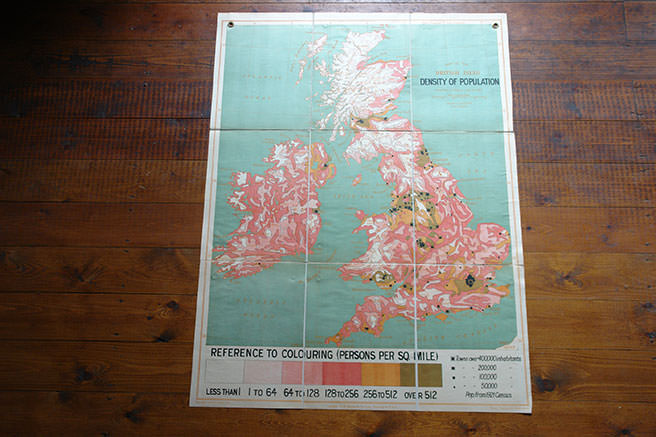
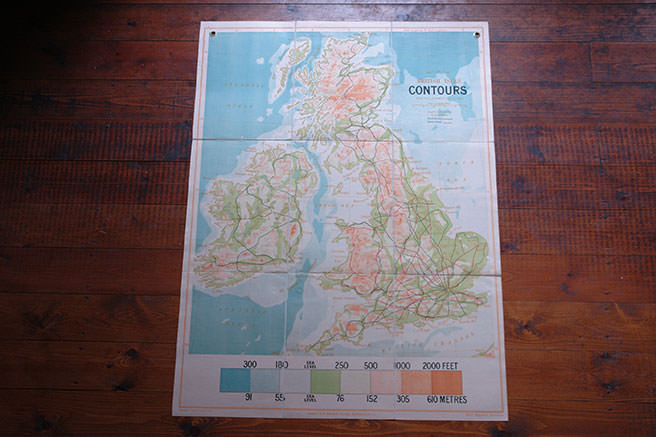
We’ll certainly have no excuses if our knowledge of home isn’t up to scratch any more. We recently made a bulk purchase of about 20 large vintage school wall maps. Produced by G W Bacon in the 1950s, many feature the British Isles – and cover every aspect of its geography – towns, roads, railways, population density, industries, geology, rivers, relief, contours, isotherms, isobars and rainfall.

It’s been very enjoyable sorting through them. They’re 60 years old – so slightly out-of-date in some respects, but no less interesting. It’s often the differences between ‘then & now’ found on these old maps & globes that are fascinating. The ‘traditional industry’ map illustrates this perfectly. If you click on each image you can view them in greater detail.

Vintage 'Reduced' school wall map of England & Wales Vintage 'Rainfall & Isobars' school wall map of the UK Vintage 'Railway' school wall map of England & Wales Vintage 'Population' school wall map of the UK Vintage 'Physical' school wall map of England & Wales Vintage 'Isotherms' school wall map of the UK Vintage 'Industry' school wall map of the UK Vintage 'Industrial' school wall map of England & Wales Vintage 'Contours' school wall map of the UK Vintage 'Communications' school wall map of the UK Vintage 'Bold feature' school wall map of England & Wales

In addition to their educational value, these vintage maps are also very decorative in terms of graphic design and colour. They look great in a library, study or office space. We’ve hung a row of them along a long hallway. We’re going to keep a few and sell a few of this particular batch. Some have gone into our antiques centre space and we’ve also listed 3 or 4 on eBay this week.