Moving To Europe? Here are a few things to consider

Moving To Europe? Here are a few things to consider | H is for Home

Whether it’s the sunny fields of the South of France that have taken your fancy, the hillsides of Greece or the culture of Romania, there’s a lot to consider when choosing to move abroad from the UK. Approximately 1.3 million UK citizens have already chosen to take the leap, but moving overseas isn’t without its challenges. Here are a few things that you may want to consider if you want your move to run smoothly.
Stack of dictionaries on different European languages

Learning the language

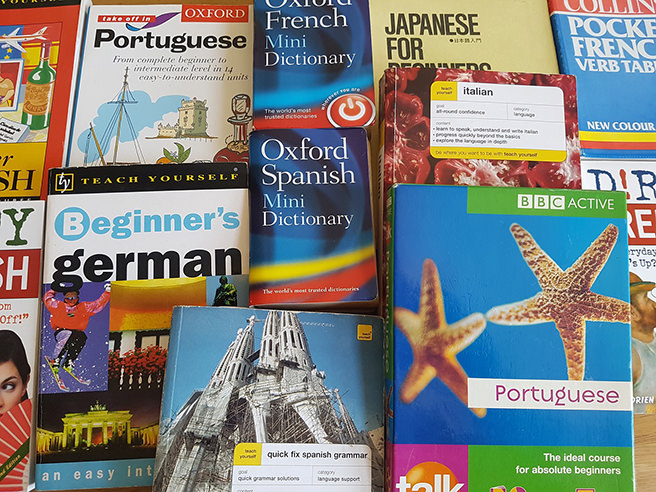
Moving to Europe isn’t a spontaneous decision and the chances are that you’ll be planning your move for quite some time before it finally comes to fruition. While planning the logistics, one thing you really should be getting under your belt is at least a basic understanding of the local language. Even if you’re planning on moving to a relatively tourist-heavy location where English is likely spoken, you’re going to come into contact with people who don’t speak English during your moving process, and understanding the language will help you out tremendously when this situation inevitably arises.

Learning the local language is also generally seen as a common courtesy when moving abroad and is a nod to the fact that you’re willing to take on board the customs and traditions of the region you’re moving to and aren’t just being a Brit abroad. Rather than buying a hefty language book that reminds you of school, try something a bit more interactive like a language app that will help you to get a grasp of the basics in a fun and more engaging way. Throughout the moving process and when you’re settling in, you’ll have plenty of chances to practice your language skills and most people are more than happy to help you learn the quirks of the local dialect.

Crowds doing the run at Pamplona

Understand the culture

Visiting somewhere on holiday and moving there permanently are two very different things. Whereas on a vacation you may not worry too much about understanding the local culture, when moving somewhere permanently it’s important that you’re willing to become a part of it. To help you settle in and to feel more at home, take the time to research the culture you’re going to be becoming a part of. This includes things such as the local delicacies, common courtesies and religious and cultural rituals.

Golden retriever puppy in a rucksack on a man's back

Sort out your pet’s travel documentation

Sorting out the relocation details for your pet are often just as, if not more, difficult than yours will be. Taking animals abroad, even to Europe, can be tricky depending on where you’re going and the animal you’re taking with you, so it’s best to start the process as soon as possible. Start by ensuring that your pet has all of the necessary immunisations for the country you’re moving to, and speak with a vet about other precautionary immunisations that may be beneficial. Depending on the animal, you’ll also likely need to get it micro-chipped and you may also need to get it a pet passport. For more information on taking animals abroad, check out this article.
tax forms

Get your head around tax

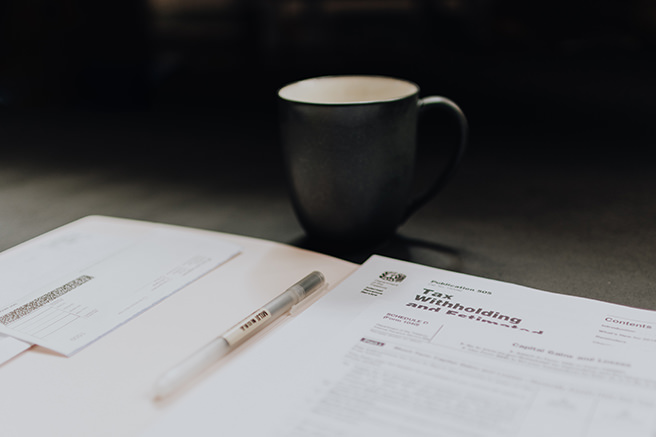
There will always be two certainties in life – death and taxes; and sadly, you can’t escape them even on the sunny shores of Europe. As with most tax-related things, moving to Europe and the taxes you may need to pay are still quite complicated and it may take you a while to get your head around who and what you have to pay.

First things first, you’ll need to notify HMRC that you’re planning to leave the country by filling out and returning a P85 from Revenue & Customs. Failing to notify the relevant authorities that you’re moving abroad can actually mean you end up paying more taxes than necessary.

Next, you need to calculate whether you’ll still be receiving interest from the UK while living abroad. If you’re paying tax abroad, but receiving interest on your savings held in the UK, then you’ll need to pay tax on this interest and will need to fill out an R105 form from HMRC. If you fail to do this, then it’s possible that you may be taxed twice, once by English HMRC and once by the authorities in the country in which you now live.

You may also need to complete a tax return as an expat, especially if you’re earning an income from the disposal of your assets back in the UK. There’s a specialist tax return for non-residents that you can find on the HMRC website.

In addition to getting your head around the taxes that you still need to pay back in the UK, you also need to remember that each country in Europe has its own tax rules to which you’ll also now need to adhere. Failure to research and abide by the tax rules of your new residing country could lead to significant fines and imprisonment. If you’re finding all of this a bit too much, then it’s always best to speak to a financial advisor who’ll be able to clear things up based on your personal situation.
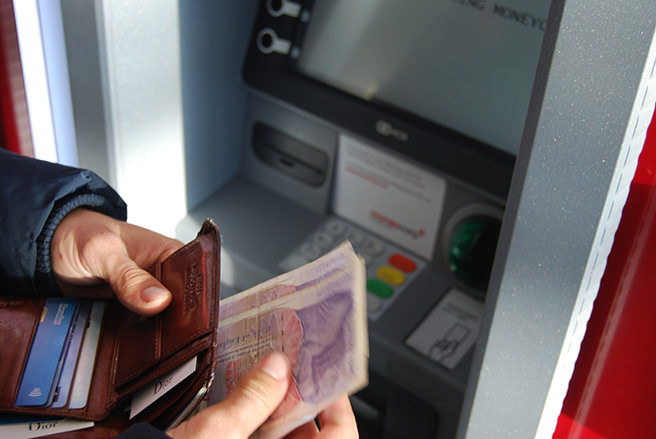
Person withdrawing money from a cash point machine

Decide whether to keep your UK bank account open

Moving money around, especially between currencies, can end up being a very costly affair. In general, most people choose to open up a local bank account in their new country of residence which can help with their day to day spending and keeping the costs of moving money down.

Depending on your circumstances, you may want to transfer your banking over to your new country completely by closing your UK bank account. You’ll probably want to keep your bank account open in the UK if you’re receiving rent payments from letting out your home, or are considering moving back to the UK at some point. However, if you have no incoming or outgoing payments and are not intending to return to the UK, then your bank account is basically redundant and it could be better to close it permanently.

The third option for expats is to open an expat bank account which is specifically designed for those that need to hold money in multiple currencies. These accounts can be based in the UK or in your new country and typically make moving money much more flexible. As with taxes, it can often be beneficial to sit down and to speak with a financial advisor about your banking, especially if you have considerable savings or investments.

Moving lorry on a motorway

Work out the logistics of moving your belongings

The paperwork involved with moving to Europe is one thing, but the logistics of actually, physically getting your stuff there is quite another matter. Most people choose to streamline their belongings quite considerably before a move abroad in an attempt to keep the cost of their removals down, but it’s also possible to move vast quantities of belongings abroad if you’re willing to pay for it.

Start by assessing what you want to take with you and whether it would be cheaper to sell any of it before you move and to buy again in your new country of residence. It’s easier to sell items while you still live and pay taxes in the UK than it is to sell from abroad, so this process is often undertaken in the months running up to the move and not after the move itself. Next, you’ll want to decide how you plan to transport your belongings to your new home. Will you be driving with them? Flying? Or using a removal company? The former will definitely impact how much stuff you can take with you and so a lot of people choose to do a combination of all three, taking smaller items with them as luggage and letting European Removals handle larger items.
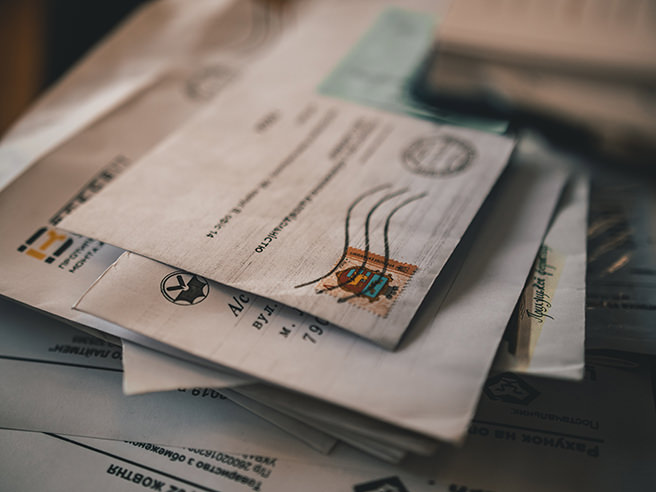
Pile of post

Redirect your post

No matter how careful you are to change the addresses on all of your mail subscriptions, chances are that some will slip through the cracks. To ensure that you never miss an important piece of post, consider using a mail redirection service with the Post Office. There’s a charge for using mail redirection, but after a little while, once you know which letters have slipped through the cracks, you can update your details with the senders and discontinue the service. Alternatively, if you’re renting out your property, let your tenants know that you want them to keep hold of your post and arrange with family or friends to have it forwarded on to you.

Moving house is never easy, and moving abroad just adds an additional layer of complexity. Despite its challenges, with careful planning and consideration, moving to Europe can be an extremely fulfilling experience and one which can change your life forever. Have you ever made a move overseas? How did you find it? Let us know in the comments.

[disclosure*]

6 ways to mess up the sale of your home

6 ways to mess up the sale of your home | H is for Home

Buying a house is a huge commitment, but isn’t always a permanent one. For any reason, you might decide to sell that property later in life. Anyone selling a home typically intends to do so quickly and for the best possible price. In a perfect world, you’d be inundated with great offers right after listing your property. Unfortunately, there are many mistakes owners often make that make this impossible. With that in mind, here are six ways to mess up the sale of your home.

Woman photographing the interior of a home

Taking poor property images

When posting a property listing, there is no such thing as too many pictures. After all, most buyers begin their house hunts online, making these images crucial. Despite this, the wrong kinds of pictures can cause problems. If you take unflattering images of your home, it could ruin an otherwise amazing listing. Hiring a professional will ensure that good quality snaps are taken.

Newspaper classified ads page

Using traditional methods only

Buyers used to check out the classifieds when looking for property listings. While many people still do this, the internet is more often utilised throughout the house-hunting process. If your marketing methods are limited to print alone, you must update them. Make sure you list your home on popular property websites and share that link across your social media platforms.

'Caution asbestos' notice

Ignoring any hidden problems

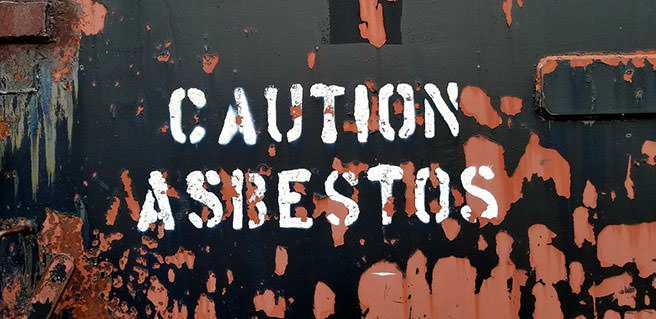
Many serious problems, like asbestos in the roof, might not be obvious to buyers. Although it isn’t illegal to sell a property with asbestos, you can’t hide the issue either. Instead, you must inform the buyers, making selling your home difficult. Thankfully, you can always turn to roofing experts. Their experience removing asbestos means that you can avoid any hassle it might have caused.

Messy kitchen

Leaving the space cluttered

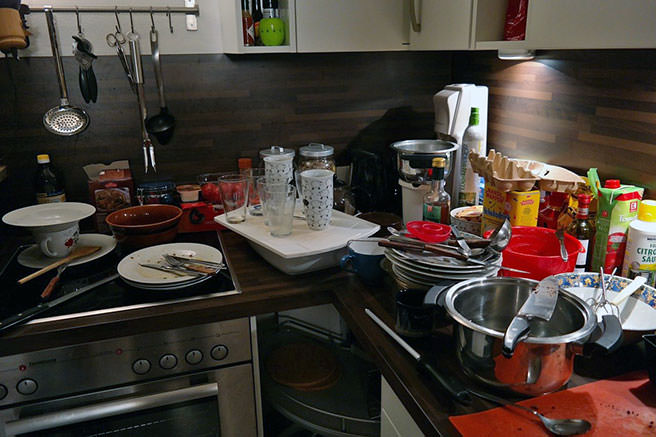
A cluttered property isn’t appealing to potential buyers. Not only does clutter make a space appear smaller, but it keeps viewers from imagining themselves living there. That is why you should declutter your house before putting it up for sale. Make a blank canvas by clearing out whatever you can. Don’t hide these things in cupboards, as viewers will want to look in those.

Two women sitting on a sofa

Hanging around at viewings

Viewing a house is uncomfortable when the owners are there. Because they feel like they’re intruding, buyers might struggle to get a good look around or speak openly with the real estate agent. Rather than risk putting potential buyers off, you should leave the house for a while. The estate agent is always there to answer any questions, as well as keep a close eye on things.

Two gingerbread houses

Listing in holiday season

Home-owners can’t control when people buy property. However, you can decide to list your home when they are. The best time to sell your house is spring. This is because the financial commitments, time constraints and harsh weather of Christmas are over. Whatever you do, avoid selling your home around the holiday season. Summer can also pose an issue, as many people leave for vacations abroad.

Selling a house is a challenging process, but you can make it much easier by avoiding the mistakes above.

[disclosure*]

Take the hassle out of your move to a new country

Take the hassle out of your move to a new country | H is for Home

Relocating abroad can be a challenging and tough experience, but there are ways you can make it less so. Every aspect of your life needs to move over to your new country of residence, and this can be a big job for anyone, especially if you have a lot of variables to take care of such as your possessions, your car and your family. There’s a lot for you to think about when you move to a new country, so here are some top tips on how to keep everything together and make your move as stress-free as possible.

Black & white illustration of a moving lorry

Outsource as much of your move as possible

Taking all of your possessions overseas can be a large logistical operation, so work with a trusted international moving company to ensure that your precious items reach your new home safely. They will be able to take a lot of the hard work out of your move and leave you free to enjoy the experience and get settled in your new environment.

Illustration of looking for a lawyer on a mobile phone

Check you have everything you need

When moving to a new country you need to make sure that you are obeying all the local laws and have all the visas, permits and licences you require. This is particularly important if you are moving pets, children or vehicles with you to your new home. Find a local lawyer who can guide you and help ensure that you have all the relevant documents ready before you move.

Illustration of a passport and visa being stamped

Keep your paperwork safe

Whenever you move to a new house it is easy to lose things, and this is even more true when moving abroad. Important paperwork such as your passport, visa and other vital documents should be kept with you, if possible, until you arrive at your new home and can put them somewhere safe. If possible, make copies of any important documents and keep them in a safe place so that if anything does go missing you can replace it easily and use the copy in the meantime.

Illustration of hands protecting an icon of a person

Work with local service providers

It can be hard to find service providers when you move to a new country, so consider working with companies that specialise in providing services to a specific region. For example, if you’re moving to Northern Ireland you could get your NI home insurance from compareni.com, which is dedicated to searching all the insurance providers that serve Northern Ireland in order to help you find the best deal.

Illustration showing a network of friends

Establish a local support network

Everything is easier when you have a trusted network of friends, so try to find some local pals who can support you and show you the ropes in your new country. There are some great apps out there for meeting new people which can help you if you struggle to make friends easily, so that you can quickly get your life back on track and make fun new memories. Befriending locals will help you to get used to your new country of residence’s customs so that you can settle in quickly and make yourself feel at home.

[disclosure*]

Make moving home stress-free with these tips

Make moving home stress-free with these tips | H is for Home

Moving house is one of those things that we can all want to do at some stage in our lives. It might be that you’re buying your first home, or it could be that you are moving on to a different area, larger property or down-sizing. Whatever the reason is, the process can be extremely stressful. But it doesn’t have to be. Here are some tips to help you make moving home stress-free.

Person sorting through paperwork

Read your surveys

When you go through the process of buying a home, a survey will have taken place on the property. This is to protect any mortgage providers and yourself from any impending problems with the property. But, even if you’ve had an all clear from the survey it’s still vital to check out the paperwork. Minor problems may have been listed that could have an effect on you financially in the future. Just take a few minutes to read through the findings to save yourself from getting any nasty surprises.

Woman running a kitchen tap

Check everything is in good working order

When you get the keys and step foot into the property, you expect it to be just as you last saw it. However, this time it will be empty and ready for you to inspect. A great piece of advice would be to check things such as the heating system. Turn on the boiler and crank up the thermostat. This will be useful especially when moving in the winter. Just as you would want the heating system to be working, it’s advisable to check the electric, gas and water supplies. This can be as simple as switching the lights on in the home and making sure there’s power. Turn the taps on and flush the toilets. You’ll soon be able to identify any problems that may crop up. All of this will help avoid situations in the future or problems occurring when you least expect. It may even be possible to rectify an issue before moving things in.

Fragile paacking tape on cardboard box

Get some extra help when moving

On the subject of moving, the actual process can be stressful in itself; not to mention how tiring it is with all the heavy lifting. This is when it may be worth getting in some extra help. It might be an option to look into a moving company to check out prices and see how they rate. Some companies not only move the boxes and furniture for you, but can also offer packing services. If you prefer to pack yourself, a great idea would be to pack with your new home in mind. This way, when unloading, identifying where to put each box is much easier, and you can then begin the unpacking process without wandering from one room to the next.

Bank statement and bank cards

Inform people and authorities of your new address

Finally, one of the things that can be forgotten is to inform people of your new address. This isn’t just friends and family, but companies such as energy or insurance providers, your doctor and local authority will need to be informed. You’ll also need to update contact details for official things like your bank & credit card statements and your driving license.

Let’s hope these tips help you to have a stress-free move in the future.

[disclosure*]