Whether it’s the sunny fields of the South of France that have taken your fancy, the hillsides of Greece or the culture of Romania, there’s a lot to consider when choosing to move abroad from the UK. Approximately 1.3 million UK citizens have already chosen to take the leap, but moving overseas isn’t without its challenges. Here are a few things that you may want to consider if you want your move to run smoothly.
Learning the language
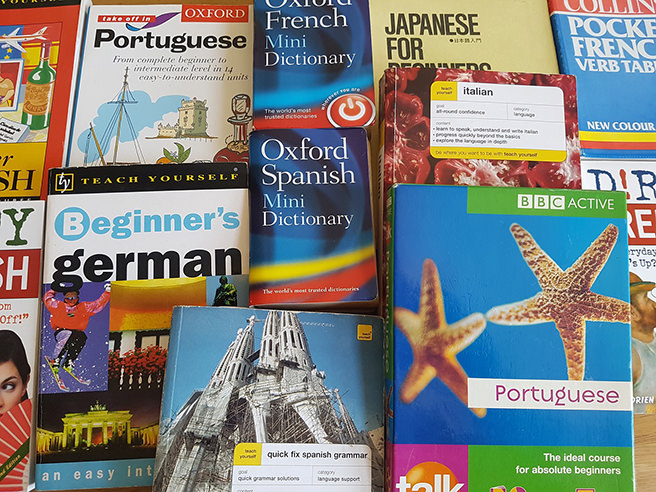
Moving to Europe isn’t a spontaneous decision and the chances are that you’ll be planning your move for quite some time before it finally comes to fruition. While planning the logistics, one thing you really should be getting under your belt is at least a basic understanding of the local language. Even if you’re planning on moving to a relatively tourist-heavy location where English is likely spoken, you’re going to come into contact with people who don’t speak English during your moving process, and understanding the language will help you out tremendously when this situation inevitably arises.
Learning the local language is also generally seen as a common courtesy when moving abroad and is a nod to the fact that you’re willing to take on board the customs and traditions of the region you’re moving to and aren’t just being a Brit abroad. Rather than buying a hefty language book that reminds you of school, try something a bit more interactive like a language app that will help you to get a grasp of the basics in a fun and more engaging way. Throughout the moving process and when you’re settling in, you’ll have plenty of chances to practice your language skills and most people are more than happy to help you learn the quirks of the local dialect.
Understand the culture
Visiting somewhere on holiday and moving there permanently are two very different things. Whereas on a vacation you may not worry too much about understanding the local culture, when moving somewhere permanently it’s important that you’re willing to become a part of it. To help you settle in and to feel more at home, take the time to research the culture you’re going to be becoming a part of. This includes things such as the local delicacies, common courtesies and religious and cultural rituals.
Sort out your pet’s travel documentation
Sorting out the relocation details for your pet are often just as, if not more, difficult than yours will be. Taking animals abroad, even to Europe, can be tricky depending on where you’re going and the animal you’re taking with you, so it’s best to start the process as soon as possible. Start by ensuring that your pet has all of the necessary immunisations for the country you’re moving to, and speak with a vet about other precautionary immunisations that may be beneficial. Depending on the animal, you’ll also likely need to get it micro-chipped and you may also need to get it a pet passport. For more information on taking animals abroad, check out this article.
Get your head around tax
There will always be two certainties in life – death and taxes; and sadly, you can’t escape them even on the sunny shores of Europe. As with most tax-related things, moving to Europe and the taxes you may need to pay are still quite complicated and it may take you a while to get your head around who and what you have to pay.
First things first, you’ll need to notify HMRC that you’re planning to leave the country by filling out and returning a P85 from Revenue & Customs. Failing to notify the relevant authorities that you’re moving abroad can actually mean you end up paying more taxes than necessary.
Next, you need to calculate whether you’ll still be receiving interest from the UK while living abroad. If you’re paying tax abroad, but receiving interest on your savings held in the UK, then you’ll need to pay tax on this interest and will need to fill out an R105 form from HMRC. If you fail to do this, then it’s possible that you may be taxed twice, once by English HMRC and once by the authorities in the country in which you now live.
You may also need to complete a tax return as an expat, especially if you’re earning an income from the disposal of your assets back in the UK. There’s a specialist tax return for non-residents that you can find on the HMRC website.
In addition to getting your head around the taxes that you still need to pay back in the UK, you also need to remember that each country in Europe has its own tax rules to which you’ll also now need to adhere. Failure to research and abide by the tax rules of your new residing country could lead to significant fines and imprisonment. If you’re finding all of this a bit too much, then it’s always best to speak to a financial advisor who’ll be able to clear things up based on your personal situation.
Decide whether to keep your UK bank account open
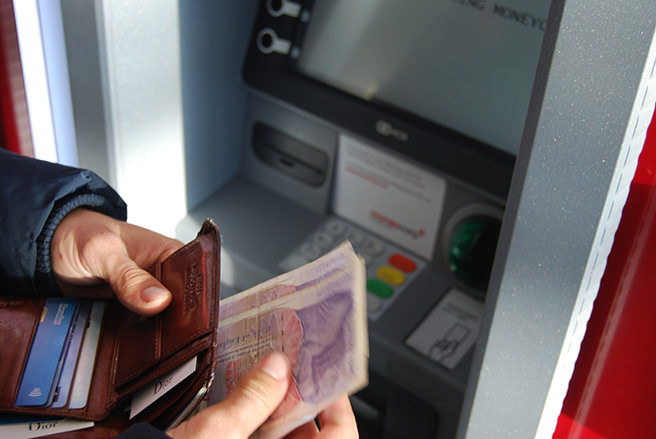
Moving money around, especially between currencies, can end up being a very costly affair. In general, most people choose to open up a local bank account in their new country of residence which can help with their day to day spending and keeping the costs of moving money down.
Depending on your circumstances, you may want to transfer your banking over to your new country completely by closing your UK bank account. You’ll probably want to keep your bank account open in the UK if you’re receiving rent payments from letting out your home, or are considering moving back to the UK at some point. However, if you have no incoming or outgoing payments and are not intending to return to the UK, then your bank account is basically redundant and it could be better to close it permanently.
The third option for expats is to open an expat bank account which is specifically designed for those that need to hold money in multiple currencies. These accounts can be based in the UK or in your new country and typically make moving money much more flexible. As with taxes, it can often be beneficial to sit down and to speak with a financial advisor about your banking, especially if you have considerable savings or investments.
Work out the logistics of moving your belongings
The paperwork involved with moving to Europe is one thing, but the logistics of actually, physically getting your stuff there is quite another matter. Most people choose to streamline their belongings quite considerably before a move abroad in an attempt to keep the cost of their removals down, but it’s also possible to move vast quantities of belongings abroad if you’re willing to pay for it.
Start by assessing what you want to take with you and whether it would be cheaper to sell any of it before you move and to buy again in your new country of residence. It’s easier to sell items while you still live and pay taxes in the UK than it is to sell from abroad, so this process is often undertaken in the months running up to the move and not after the move itself. Next, you’ll want to decide how you plan to transport your belongings to your new home. Will you be driving with them? Flying? Or using a removal company? The former will definitely impact how much stuff you can take with you and so a lot of people choose to do a combination of all three, taking smaller items with them as luggage and letting European Removals handle larger items.
Redirect your post
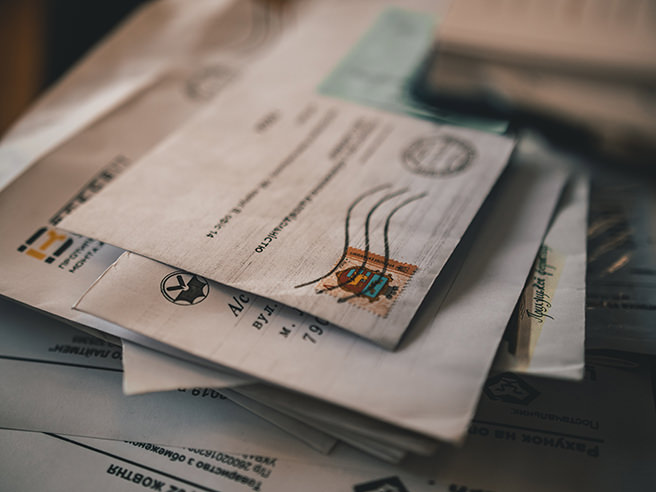
No matter how careful you are to change the addresses on all of your mail subscriptions, chances are that some will slip through the cracks. To ensure that you never miss an important piece of post, consider using a mail redirection service with the Post Office. There’s a charge for using mail redirection, but after a little while, once you know which letters have slipped through the cracks, you can update your details with the senders and discontinue the service. Alternatively, if you’re renting out your property, let your tenants know that you want them to keep hold of your post and arrange with family or friends to have it forwarded on to you.
Moving house is never easy, and moving abroad just adds an additional layer of complexity. Despite its challenges, with careful planning and consideration, moving to Europe can be an extremely fulfilling experience and one which can change your life forever. Have you ever made a move overseas? How did you find it? Let us know in the comments.
[disclosure*]