Wall panels vs tiles: which is best for your bathroom?

Wall panels vs tiles: which is best for your bathroom?

Wall panels vs tiles: which is best for your bathroom? The selection of the wall finish may be the difference between the ambience and the functionality of a bathroom. Although tiles are the traditional favourite, the new alternatives like MegaBoard wall panels are gaining popularity due to their simplicity of installation, modern look and low-maintenance factor. Both materials are strong, but the more appropriate one is based on the budget, maintenance preferences and the effect you want to produce visually.

Understanding the cost difference

The initial expenses of the two options differ greatly. Traditional tiles are usually more labour-intensive to install, and this can add to the overall cost, despite the tiles themselves being relatively cheap. Intricate designs or high-quality stone-look tiles will increase material and fitting prices even more. Wall panels, however, are usually faster to install and usually do not need as many special tools, which lowers labour costs. Although premium panels can be as expensive or more expensive than tiles, the cost of fitting can be cheaper, making them more economical in the long run.

Maintenance and cleaning

A clean bathroom wall is a priority and, in this case, the distinction is evident. Tiles have grout lines, which may hold dirt and promote the growth of mould unless they are sealed and cleaned regularly. Grout can crack or discolour with time and will need to be repaired. Wall panels provide a continuous, smooth surface with sealed joints, which are much easier to clean and wipe down. Panels are a more convenient option in high-moisture regions, busy households or rental properties.

Durability in daily use

Both tiles and panels are long-lasting when installed and maintained properly. Tiles are scratch and heat-resistant and some of them, like porcelain or natural stone, can resist heavy wear. However, it is challenging to replace broken tiles without causing damage to other pieces. Quality wall panels should be water-resistant and durable, and some may be made of high-pressure laminate or solid composite cores to withstand long-term wear and tear. Although panels can dent when hit with a lot of force, they are usually sturdy against normal bumps and splashes.

Visual style and design impact

Tiles have almost unlimited creative potential, including traditional metro patterns, mosaics and large-format slabs. They can also be used together in various designs to produce individual feature walls or edges. Wall panels provide an alternative aesthetic, one that is smooth, seamless and contemporary, and can be finished to look like marble, stone, wood or concrete with none of the maintenance those types of materials typically demand. It is a matter of preference between the feel and history of tiles or the sleek simplicity of panels.

Installation time and complexity

Tile fitting may be labour-intensive and may require surface preparation, adhesive setting, grouting and sealing. This may take a few days, particularly in big bathrooms. Wall panels are easy to install directly on top of existing tiles or prepared surfaces and, in many cases, can be installed in one day. Panels are simpler, with fewer steps and less mess, making them ideal for time-sensitive projects or DIY installations.

Suitability for different budgets

Mid-range ceramic tiles or PVC wall panels can be an attractive option to budget-conscious renovators, as they can provide an appealing finish without breaking the bank. Anyone who is prepared to spend a little more may opt to use natural stone tiles because of their classic beauty or high-quality laminate or acrylic panels to achieve a luxurious and low-maintenance outcome. When considering not only the purchase price, but also the installation and long-term maintenance, a clearer picture of the actual cost is obtained.

Environmental considerations

The issue of sustainability is playing an increasingly significant role in home improvement decisions. Certain wall panel systems are manufactured with recycled materials and produce less waste in the installation process, as they require minimal cutting compared to tiles. Conversely, some of the natural tiles, such as stone, may last decades and can be reused, which will reduce the replacement requirement in the long run. You can align your choice with environmental objectives by checking the product certifications and manufacturing practices.

Choosing the right option for your bathroom

Wall panels and tiles have unique advantages when it comes to bathroom walls. Tiles are better suited to traditional styles and can offer a very bespoke appearance. In contrast, panels are more modern, low-maintenance and can be installed more quickly and with less maintenance required. Considerations like price, longevity and design taste will guide you to make the appropriate choice. Choose the classic beauty of tiles or the modern functionality of wall panels, and the correct decision will bring you a bathroom that will be impressive and functional for many years.

[disclosure*]

Natural stone cladding, a perfect choice for your home

Natural stone cladding, a perfect choice for your home

Remodelling a façade or wall to increase its protection and give it a fresh and beautiful appearance is something you can achieve with natural stone cladding. It’s an option whereby you could save money, since it’s a material that has a series of very convenient properties such as durability, acoustic insulation, versatility, complete architectural integration and more.

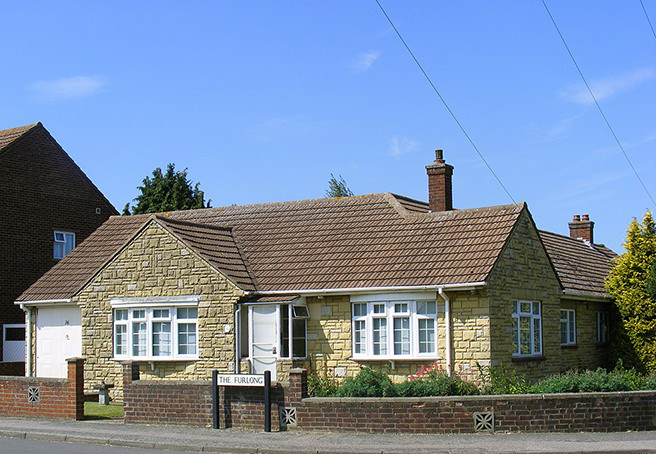
Bungalow with real stone claddingcredit

What is natural stone cladding?

Nnatural stone cladding consists of veneers, created with a type of building material, which can be used both indoors and outdoors. It provides durability and solidity to the surface of any wall or floor. Although the use of stone isn’t something new, it’s becoming a modern design resource in today’s architecture. It’s gaining popularity and creating a trend from which no one wants to be excluded, especially because of the radical change in appearance it gives to properties, while at the same time considerably reducing maintenance costs on such surfaces.

Semi-detached houses with stone clad façadescredit

Why choose natural stone?

Natural stone is a highly valued material by professionals in the field of construction, because it offers a series of highly desirable properties:

  • Its resistance allows it to be kept in perfect condition for many years, requiring very little maintenance to preserve its natural appearance.
  • It’s a versatile material that can be used for different purposes and can even be reused if you wish to remove it and replace it on another part of the property.
  • It adapts to different decorative styles; either rustic, traditional or modern.
  • The variety of stones with which this type of cladding is created, gives the house an original and exclusive appearance; it also allows the user to choose between multiple colours and textures to combine to their preference.
  • Natural stone can be combined very well with other materials, especially with wood and glass.
  • It’s ideal for blending a property into its surroundings, giving it a natural touch while remaining practical and elegant, representing its complete architectural integration into the environment.
  • By covering the walls or floor with natural stone, the interior temperature of the home is preserved, thanks to the density of this type of material, which offers perfect thermal insulation and, on the other hand, promotes the conservation of energy resources, considerably reducing their cost.
  • It also offers acoustic insulation, avoiding disturbing noises from the outside and guaranteeing the safety of anything inside, as it is a fireproof material, which means that it doesn’t allow the rapid spread of flames in the event of a fire.

Rustic cottage with stone clad front

Types of stones commonly used in cladding

If you want to opt for natural stone cladding, you can choose from different types of stone. However, slate, quartzite, limestone and gneiss are most commonly used because of their beautiful appearance and aesthetic qualities.

Besides, they also have other properties:

  • Slate: a metamorphic rock that is very fine-grained, easily exfoliates and is coloured in various shades of grey, blue-black or green. It’s compact and durable.
  • Quartzite: its high quartz content gives it a high resistance to changes of temperature and its appearance gives a beautiful rustic style to any property.
  • Limestone: It’s a strong and elegant stone, used for centuries by different types of cultures around the world. It’s characterised by being durable and needing very little maintenance, as well as allowing its use in exterior walls. It can also be used to create tables, benches and many other decorative accessories.
  • Gneiss: this stone contains the same minerals as granite. Therefore, it presents an appearance of alternating layers with different textures and colours. It’s usually used as cladding for any outdoor space, thanks to its beauty, durability and strength.

Nowadays, you’ll find multiple options in the market that will allow you to easily place any type of natural stone to cover a surface according to your needs, as there’s a wide variety of shapes and sizes that can be perfectly matched.

Mid-terrace house with claddingcredit

The importance of natural stone cladding

Using natural stone cladding is an ideal option for your home since you’ll be taking advantage of these material’s properties to preserve it. You can prevent your walls from deteriorating rapidly; while also conserving its interior temperature and enjoying perfect insulation from outside noise.

The use of natural stone as a building material has reduced the environmental impact as well as costs, due to its durability and easy maintenance while providing strength to all types of surfaces. Moreover, it can be combined with different decorative styles, adding an elegant touch that can be completely personalised.

[disclosure*]

How does wall cladding work and why should you have it?

Exterior wall cladding on an apartment building

If you want to improve the look of your home, and save on the amount of energy you use, investing in exterior wall cladding may be a good idea. In addition, cladding the outside walls of your home can offer them protection against the elements.

In this article, we’re going to look at these areas in more detail. We’re also going to explain the different types of wall cladding that exist and how they work.

How does wall cladding work?

Exterior stained clad wall with yellow door

Put simply, wall cladding is the art of covering the exterior walls of a property with a certain material. There are three main wall cladding materials and they all have positives and negatives; let’s take a look at them.

Vinyl wall cladding

Vinyl-clad front elevation of a housecredit

Over the years, vinyl wall cladding has been the most popular choice. You can choose from a selection of vinyl cladding suppliers. This type of cladding was originally introduced as an alternative to aluminium siding; it was cheaper and more effective. Today, vinyl cladding is still an affordable option. However, it does have a tendency to warp and fade over time. It is also easier to damage than some other types of cladding.

Timber wall cladding

Weathered exterior wood cladding on an apartnemt building

The main attraction of timber wall cladding is it’s appearance. It often blends well with the overall appearance of a property. If you decide to invest in this type of cladding it’s worth noting that it requires similar amounts of maintenance to other timber areas of your property.

UPVC wall cladding

Exterior UPVC cladding on an apartment buildingcredit

It’s worth stating from the outset that this type of wall cladding tends to be more expensive than the others we have mentioned. This extra expense does bring benefits, such as high levels of durability, appearance that does not fade and improved levels of insulation. There is also little maintenance required; you just need to clean the cladding with a damp cloth.

Now you have a better idea of what wall cladding is, let’s take a look at its benefits.

Why cladding the walls of your property is a good idea

House with exterior brick and wood cladding

One major reason why people have cladding fitted to the exterior walls of their property is that it improves the appearance. It’s not just about the look when it comes to cladding though. There are several other advantages.

  • Protection against adverse weather conditions such as hail, snow or extreme heat
  • Insulation against external noise
  • Insulation that keeps warm air in during cold weather and cool air in when the weather is hot. This helps to reduce energy use and resulting costs

As you can see, there are several significant benefits to be had if you decide to invest in wall cladding. Make sure that you do your research and seek expert assistance when it comes to having the work completed. No matter which type of cladding material you use your property will benefit, so you need to make the choice based on your requirements when it comes to cost, on-going maintenance and durability.

[disclosure*]