Thinking about developing your first property? Here are 6 costs for which you need to prepare

Thinking about developing your first property? Here are 6 costs for which you need to prepare

For many aspiring UK property developers, the dream begins with a “bargain” find at an auction or a neglected terrace with a low asking price. However, in the world of property, a low entry point can be a seductive trap. While the potential for high returns is real, the landscape of the UK development market has shifted, with costs climbing at a rate that catches even seasoned pros off guard.

Recent data suggests that the financial hurdle for new builds and major renovations has increased by roughly £76,000 over just five years. This surge isn’t just about the price of bricks and mortar; it’s a complex cocktail of evolving regulations, tax adjustments and professional fees. If you’re looking to flip your first project or build a rental portfolio, understanding the true total cost of ownership is the difference between a lucrative investment and a financial nightmare.

Beyond the sticker price: Why initial estimates can mislead

It’s a common pitfall to mistake the purchase price for the project’s budget. Consider a typical scenario: you secure a property for £300,000 and estimate a renovation cost of £50,000. On paper, this looks like a £350,000 investment. However, this “sticker price” thinking ignores the invisible layers of a development project.

Once you layer in the non-negotiables, such as the £15,000+ in immediate acquisition costs, thousands in architectural and structural fees, interest on development finance and the essential 15% contingency buffer, that £350,000 project quickly scales toward £420,000. The price you pay for the property is just the beginning. Planning, building, financing and legal costs all add up. Knowing these potential expenses ahead of time will help you stay within your budget and feel more secure. Without a refined view of these secondary costs, your profit margin can evaporate before the first skip arrives on site. Real success in property development isn’t found in the lowest purchase price, but in the most accurate total forecast.

Costs for which you need to prepare

Before making an offer, consider these six cost areas. Each one can impact whether a project stays on budget or goes over.

1.    Costs of buying the property

The price you pay for a house isn’t just the initial cost. Before you can even begin any work, you’ll have to pay for things like stamp duty, mortgage fees, surveys and legal checks. These additional costs can add up to several thousand pounds. For example, acc. to an HOA guide a property costing £300,000, buyers usually pay an extra £15,000-£20,000 to finalise the purchase. Remember these expenses from the start.

2.    Professional and planning fee costs

You’ll require architects, structural engineers and planning consultants. They’re not optional. A simple extension needs drawings, calculations and a planning application. A report by Mark Doodes Planning found that the official planning fee for a single house is about £610 and this figure underscores why it’s easy to under-plan, as the professional work involved costs much more. Plan to spend about 10% to 15% of the building cost on these fees.

3.    Construction and material cost increases

The biggest expenses in any building project are materials like bricks and wood, labour and construction-site costs. According to Savills, building costs will increase by 2.7% this year, similar to the rise expected in 2025. Because prices continue to move, it’s a good idea to get at least two or three detailed price quotes instead of just one general estimate.

4.    Finance and borrowing cost considerations

Most new developers don’t pay for a project all at once. This means they need to set aside money for borrowing costs. Interest rates and arrangement fees vary across different financing options. Bridging loans, development finance and even commercial mortgages have different costs and repayment terms.

Rangewell’s guide breaks down property development financing and how each option works and which stage of a project it suits. If you understand these differences before you sign anything, it’s easier to plan your payments alongside the other building costs.

5.    Legal and project management fees

Don’t forget about the costs for lawyers, project managers and building inspections. These fees can add up instantly. Have legal experts review contracts, warranties and completion papers. Trying to save money by skipping legal assistance often costs more in the long run, especially if disagreements or delays arise.

6.    Contingency for unexpected extra costs

When you begin a renovation, you may run into issues like old plumbing, damp walls or hidden problems with the building itself. To prepare for these surprises, set aside an extra 10-15% of your total budget. This additional money will help you cover unexpected costs without pausing your project.

Quick property cost checklist

Here’s a simple checklist to help you understand property expenses:

  • Purchase price and legal fees
  • Planning and professional fees
  • Construction and materials
  • Finance and borrowing costs
  • Legal and project management
  • Contingency of at least 10%

Conclusion

Developing property could be rewarding, but you must begin with realistic numbers. Purchase prices, professional fees, construction, financing, legal costs and contingency buffers all affect whether a project makes financial sense. Carefully consider each cost, secure accurate quotes and forward plan before committing.

disclosure*

4 tips for new home-owners

4 tips for new home-owners

Congratulations, new home-owners! You’ve finally got your dream home, and now all that’s left to do is to move in. This is a very exciting time in your life, but it can also be overwhelming and stressful as well. So many tasks will be vying for your attention, it can be easy to let things slip through the cracks. But don’t worry! Below, we’ve compiled a few things that you might not have thought were on your to-do list: we’ve thought about it, so you don’t have to.

Speak to your insurance company

Make sure your insurance policy is up to date on the day that you move in! Finding a trustworthy insurance company can make all the difference when purchasing a new house. In the flurry of all the other things you had to take care of during the move, dealing with insurance paperwork is likely not your priority.

It may be a little bit stressful, but it’s always better to be safe than sorry, and that’s what home insurance is for. Accidents always happen when you least expect them, and you don’t want to get caught off guard. Speak to your insurance company before your move in date.

Invest in good furniture

This is the freshest start you will ever get with this house, and you should start this stage of home-ownership on the right foot. Depending on your circumstances, you may need to buy furniture. Good furniture is an investment, one that’s more likely to pay off in the long run than the immediate future. Quality pieces like bedroom furniture are well worth the money, as they can last a lifetime if taken care of properly.

Check all the appliances

Before you officially move in, you should take stock of what appliances your new home will come with, and which ones you’ll need to install on your own. By making an inventory list ahead of time, you can really get on top of things so as to ease your moving experience.

You’ll want to start with the big ticket items like the fridge-freezer, stove or washer-dryer.

Don’t forget to take measurements to ensure that any appliances you buy will fit into the space that you have. Once everything is installed, check that they’re all functioning properly. You should inspect and service your appliances every once in a while to maintain their good working order.

As a new home-owner, it can be tempting to go all out with renovations in your new home, but be careful not to bite off more than you can chew!

Deep clean your home

Before you bring all your moving boxes into your new home, you should take advantage of the sparseness of the house to do a deep clean of the entire property. Not only is it hygienic, it can also be a great way to get to know every nook and cranny of the house. Whether you clean the house yourself or you decide to hire a cleaning service, it is good to spiritually cleanse the house of its previous owners and prepare the space to be inhabited by you. Vacuum, mop and polish the floors, scrub the kitchen areas, disinfect the shower, bath and toilet and deep clean the carpets and rugs (professionally, if necessary). If handing over the work to a third party is your preferable option, click here for more info. There’s nothing like the feel of moving into a sparkling new home, so roll up your sleeves and get to work.

Happy moving day!

Buying your first home is a big deal, and you should treat it like one. Now that you’re a home-owner, you’ll be in charge of handling household maintenance and all the other things that, previously, were the responsibility of your landlords. These tips are only a few of the many things that will be on your to-do list for the big day, so it’s a good idea to keep a physical checklist of things to accomplish so that you can stay organised. Remember to enjoy this experience, and don’t let the stress of the move make you forget what an exciting time this is!

[disclosure*]

How to be a successful first-time home buyer

How to be a successful first-time home buyer

Ready to buy a house? Being a first-time home buyer means you could be intimidated by the process. But don’t worry. If you follow these steps, you’ll have a much easier time and be more likely to find success as a first-time home buyer.

Start your home-buying journey with a clear, end-to-end understanding of what lies ahead. For a detailed walkthrough of the entire process, a comprehensive first-time home buyer guide can be an invaluable resource to set your expectations and prepare you for each upcoming step.

Illustration depicting saving

Start saving early

Saving early is a great way to accumulate the funds needed for your down payment. There are many ways you can do this, such as opening a savings account and setting up an automatic transfer from your checking each month or putting money away in other investments so that it will grow over time.

The following are tips for saving money for a deposit:

First, open a savings account and set up automatic monthly transfers from your current account. Or, if you have investments that pay interest on a quarterly or annual basis, use those proceeds instead of putting them in the bank, where they will earn a little-to-no return.

Set reasonable and attainable goals. It would be unrealistic to expect to save enough for 20% of the purchase price of a house within two years without making sacrifices such as forgoing holidays or dining out less frequently. In this case, it may make more sense to shoot for less than 15%, so you have more breathing room in your budget.

Create a ‘rainy day’ fund that will cover at least three months of the mortgage, property tax and insurance payments if you lose your job or experience some other unexpected financial hardship.

Bar graph illustration

Research on market trends

Market trends can be a valuable resource for first-time home buyers. By researching market trends, you can understand what neighbourhoods are growing in value and might be a good investment. You can also find out how long homes are staying on the market, giving you an idea of whether now is a good time to buy. Market trends can be a great predictor of growth and help you decide where to invest your money.

It is important to view property market update reports every six months to ensure you are staying on top of any changes in the market.

A real estate agent can also help with prices and trends by providing information about what other homes have sold for recently and pointing out areas that might be growing quickly.

Budgeting illustration

Decide how much home you can afford

Your budget is one of the most important factors when buying a home. It would help if you decided how much you can afford to spend on a mortgage each month and other associated costs such as home owner’s insurance and property taxes. It’s essential to be realistic about what you can afford and not overextend yourself financially. You don’t want to be house-poor and unable to enjoy your new home because you’re struggling to make your monthly payments.

Use an online calculator or speak with a lender to figure out exactly how much you can afford. They will help you determine how much money you can borrow based on your income and debts. Be sure to factor in all of the associated costs of home ownership, including closing costs and moving expenses.

Credit score illustration

Check and strengthen your credit

Your credit is essential in determining your interest rate and whether you qualify for a loan.

Check with the major credit bureaus such as Experian, TransUnion, or Equifax to get copies of your reports. Make sure all information is correct before applying for a loan. If there are any errors, contact them immediately to be corrected quickly. It’s also recommended that you have someone else look over them to double-check every detail. The more accurate these reports are, the better because it shows lenders that you pay your bills on time, positively reflecting upon potential buyers who want low rates but don’t have good credit histories due to past financial problems or other issues related to their personal lives.

Also, take advantage of free annual credit report offers from the government by visiting annualcreditreport.com

Mortgage options illustration

Explore mortgage options

It is essential to look at your different mortgage options when buying a home. You should compare the interest rates, fees, and terms of other mortgages to find the best one for you. Be sure to ask your mortgage lender about all the options available to you.

If you are looking for a low-interest mortgage, you may want to consider a fixed-rate mortgage. With this type of mortgage, your interest rate will stay the same for the entire term of your loan. This can be helpful if you plan on staying in your home for a long time.

Whatever type of mortgage you choose, make sure to compare the different rates and fees from different lenders. This can help you save money on your home purchase.

First time buyer illustration

Conclusion

Being a first-time home buyer can be daunting. Many people are worried about making the wrong decision and regretting it years down the line. However, if you follow these tips, your chances of buying a home that will meet both your needs and wants are significantly increased.

[disclosure*]

3 great tips on interior style for new home-owners

3 great tips on interior style for new home-owners

Decorating your first home? Here are a few useful suggestions for getting your interior style just right.

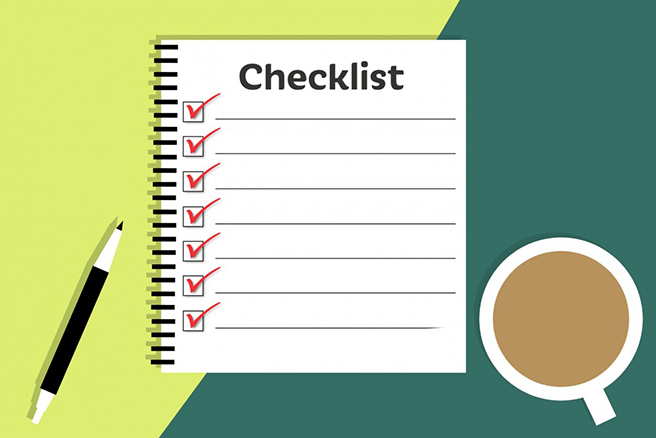
Illustration of a checklist, pen and coffee

Make lists

Now that you have an understanding of what your home décor style is, the next thing you need to do is make a list of everything that you’re going to require for your home. Write down all of the items you currently own and then write down all of the items that you are going to need to purchase. This will not only help you to get more organised, but it’s important in terms of interior design because everything needs to have a place. Therefore, by determining what you need to purchase, you’ll then be able to plan where everything is going to go and you can organise what storage items you’re going to need to purchase for your home. This is something that a lot of people overlook, and then they end up with lots of clutter.

Illustration of a neutral colour palette

Start with a neutral colour palette

While it can be very tempting to include a variety of colours, it’s always better to start with a neutral colour palette. This doesn’t mean that you need to opt for boring colours. However, a neutral colour palette gives you the perfect base on which to build. You can then add accessories and furnishings without being restricted to the bold or striking colours you’ve chosen for the walls.

If you don’t want to go for white or cream, for example, you don’t have to. There are plenty of other neutral shades that look beautiful while still giving you something of a blank canvas. For example, muted shades of grey are very popular at the moment. You can also choose stunning pastel colours, be it a dusty pink or soft green. Payweeklycarpets.co.uk is a good resource for carpets in these shades.

Illustration of a person lying in bed

Invest in a quality bed and bedding

When buying new furniture for your first home, you need to prioritise where to spend money and where to be frugal. Items that you certainly shouldn’t cut back on are your bed, mattress and bedding. After all, if you can’t get a good night’s sleep, then you’re not going to enjoy being in your new home. Everyone needs a restful night’s sleep so that they can be refreshed and ready for the following day ahead. If you’re considering economising and buying a cheap bed or mattress because you want to get lots of accessories and decorations for your home, don’t. You can simply buy added accessories and adornments at a later date.

The best thing to do is buy the basics now and investing good quality, and then you can add on to this after you have lived in your house for a number of months. You’ll find that there are always new things you want to add to your home. You’ll never be able to decorate your property and have a complete version of what you envision within a matter of months, so don’t put any pressure on yourself.

[disclosure*]