Tumble dryer troubleshooting

Tumble dryer troubleshootingcredit

Tumble dryers might not be among the most important appliances in the home, but they are indeed very useful. Today, more and more people are turning to dryers to get their laundry dried, and, certainly, the number of users will only keep growing. However, it’s not uncommon to see this home equipment malfunction occasionally. Luckily, you don’t have to call a technician every time your dryer fails. There are many problems that you can correct yourself. Simple knowledge of common tumble dryer issues and their solutions may be all that’s needed to save you money and time. This post breaks down how to troubleshoot dryers and fix common problems.

Common dryer problems and their solutions

Below are some of the problems you may encounter while using your dryer:

  • Dryer fails to start

If your dryer fails to start, the first thing to check is the power source. Confirm that you’ve plugged it in properly. If you did, then make sure the circuit breaker is intact. Also, check the fuses. If the breaker is tripped, flip it back on. If the fuse on the plug is burnt out, replace it. However, if the power source is OK, check the dryer’s fuse and also the start button. Confirm from the back panel that the start button is appropriately engaged. If the fuse is in place and the start button is engaged correctly, then the only thing left is the door latch. Remove any lint in the latch and clean it to make the door close properly.

  • Dryer suddenly stops after starting properly

If your dryer suddenly stops working in the middle of a drying cycle, then the power was probably cut off by a protection mechanism. The first things to check are the fuses. If every fuse is in working order and the circuit breaker isn’t tripped, check the thermostat and the thermal resistor. You can use a multimeter to check if all these are working correctly.

  • Dryer won’t stop once you open the door

Opening the door should automatically stop the dryer, but if it fails to stop, then check the door switch to confirm it’s intact. A failing timer or start button may also be the cause. Confirm that all these are working properly.

  • Dryer makes too much noise

You should be accustomed to the sound produced by your dryer when it’s working. If it makes abnormal noise, then something may be wrong. Check if your dryer is standing level on the floor. If not, adjust the balancing of your machine, but if it is balanced perfectly, then it may be that you have a loose object inside the drum. Check to confirm coins, keys or any other noise-producing objects haven’t been accidentally loaded into the dryer. Remove all the clothes and check the drum properly and reload the dryer, checking each item carefully before reloading them. The dryer can also make unusual noise if a roller or belt has failed. Check these and also check the idler pulley.

  • Dryer dries too slowly

The most likely problem here is that something is stopping the dryer from circulating damp air. There may be a clogged vent, so clean the vent. It could also be a result of lint build-up. Check the lint filter and clean it if necessary. Also, ensure you didn’t overload the dryer. You may need to remove some of the clothes to allow air to circulate properly.

  • Dryer not heating up

This could be due to a blown fuse or a failed heating component. Check the internal fuses to be sure all of them are fine. If one fuse has blown and the other is working, your dryer will start but won’t heat up. Also, if the thermostat or thermal resistor failed, there will be no heat. You can detect a blown fuse easily by doing a physical examination, while you can use a multimeter to check if the thermostat and the thermal resistor are functioning correctly.

  • Clothes don’t dry

If you’ve completed an automatic cycle, but the clothes are still damp, then it may be that the moisture sensor is failing, or it doesn’t connect properly with the clothes. Try to clean the sensors with cotton wool dampened with surgical spirit. The load may also be too small for the sensors to work effectively. If you’re only drying a couple of items, avoid using an automatic drying cycle, use timed drying instead.

  • Dryer doesn’t spin

You can see that your dryer is powered, but it doesn’t move, or it doesn’t spin properly. This is usually caused by a failing belt. It could also be as a result of a failed idler pulley or glide. Check all of these. If the belt is broken, you can remove it, order a new one and replace it. Note that it’s essential to take photos of your dryer before you remove any component so that when you want to replace it, you’ll know exactly where it was positioned before you removed the part. A problem with spinning could also be due to the motor; although, that’s not a very likely cause.

Washing machine and tumble dryer

 The take-away

You don’t have to call out a technician each time your dryer has a problem. Most of the time, you’ll be able to fix it yourself. All you need to do is work out the likely cause and correct it. Common problems that can arise when using a tumble dryer include failure to start or stop, a slow rate of drying or the dryer failing to heat up. Your dryer may also make a strange noise or struggle to spin.

In any case, make sure you take a photo of the layout of your dryer part and position before you remove it for fixing or replacement. If you need to clean any part of your dryer, do so with a cotton swab moistened with surgical spirit and, if you need to order any component, ensure you order from a place where you can trust the quality of their product.

[disclosure*]

Commonly asked questions about acrylic glass

Commonly asked questions about acrylic glass

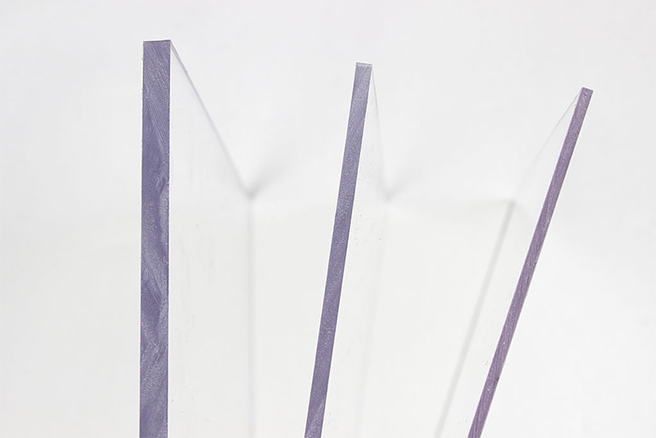
Acrylic is a thermoplastic material that resembles glass in many ways. It’s a strong and long-lasting type of homopolymer that has commonly become known as acrylic. Since acrylic offers the same beauty of normal glass, without the possibility of dangerous breakage, it’s a popular alternative for homes and businesses alike.

Acrylic examples

How strong is acrylic?

Acrylic is a sturdy material that is stronger and more durable than glass or plastic. Due to the way it’s created, it can withstand an impact of several times more pressure than normal glass.

Acrylic glass sheet corners

Is acrylic clearer than glass?

Normal light transmission with a window made of glass is around 80% and, as glass gains thickness, it loses clarity. Acrylic has a transparency rate of up to ninety-three percent, and it doesn’t lose its clarity as thickness increases.

How easy is it to use Plexiglas for DIY projects?

Plexiglass, which is another term for acrylic, is an ideal alternative to glass for many interior decoration projects. Plexiglass sheets are more durable and can withstand more pressure than normal glass. Also, they’re designed to break into dull-edged pieces if they crack. This makes them a safer and all-around smarter choice for DIY projects.

Whitewashed sitting room with bi-fold doors

Is drilling acrylic possible?

Drilling into acrylic can be difficult if not using the correct drill bit. Typical bits that are designed for wood or metal are too abrasive and will scratch the acrylic. Using a drill bit specifically for plastics will prevent damage.

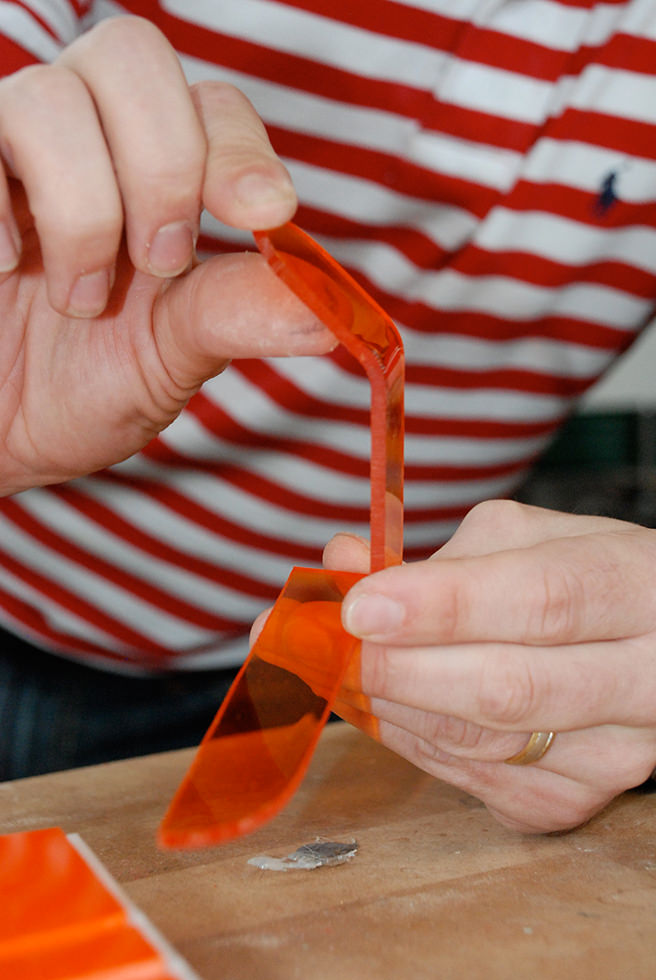
Bending orange acryliccredit

How do you bend acrylic to form different shapes?

Plexiglass material becomes malleable at 160 degrees Celsius. The sheet of acrylic must be marked out and then heated before shaping can occur. This is a delicate process, though, as the acrylic can tear from too much movement.

How do you join acrylic edges in DIY projects?

Connect acrylic sheets together by using acrylic cement. This special glue actually softens the edges of the acrylic sheet, causing it to bond to another. Common super-glue isn’t recommended for acrylics, as it’s not as strong as the cement and may lead to whitening of the acrylic.

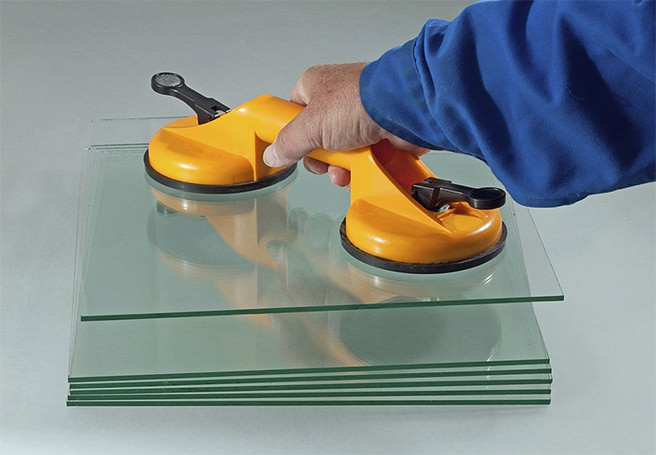
Vacuum lifting plate glass

Can acrylic be replaced with glass?

Glass and acrylic sheets are often used as alternatives to one another. Acrylic has the advantage of clarity, while glass is a common item found commonly in most stores. They can be interchanged, but each one serves a purpose depending on the project.

Why is acrylic used instead of glass?

Plexiglass, a thermoplastic material made by PMMA, or polymethyl methacrylate. It is known by the brand names of Plexiglas, Perspex, Crylux and Lucite to name a few. It shows similar transparency to glass. But this material is stronger and lighter, making it ideal alternative to glass in many situations. Acrylic can be more expensive than glass, but its functionality is many times better than glass.

Cleaning glass sheet

How do you clean an acrylic sheet?

Acrylic sheets can damage easily if you use the wrong cleansers. A mild detergent or a plastic-specific cleaner is best and will remove all debris. In addition, using a soft cloth, made of cotton or microfibre, is best to prevent scratches to the sheet.

How do you polish an acrylic sheet?

If a sheet is scratched or chipped, a quick polish can resolve many of these irregularities. A flame polish causes the acrylic to melt and smooth over, while a machine polish can buff out larger scratches with the use of a tool. Vapour polishing places a layer of vapour over the acrylic to remove all foreign particles and enhance the clarity of the acrylic.

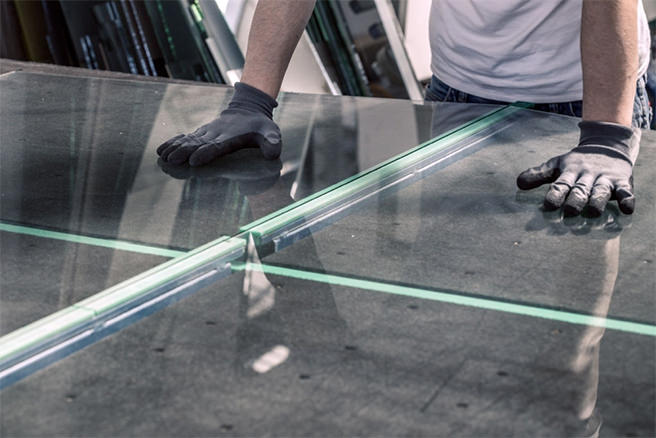
Cutting clear glass sheets

How do you cut an acrylic sheet for different projects?

Using a circular saw with cross-cut teeth and a fine blade is best for acrylic cutting. The material must be kept cool, which can be achieved by spraying water over the cut zone. Moving slowly and with caution will make a clean cut.

What temperatures can acrylic tolerate?

Acrylic begins to soften at 160ºC. It’s advised to keep the acrylic between the temperatures of -40 and 80 ºC.

Glass windows with sun shining through

Are acrylic windows truly protected against UV radiation?

Glass is known for filtering out UV rays in applications like car windscreens and windows in buildings. Acrylic sheets made from pure PMMA don’t protect against this radiation, allowing UV light to penetrate the acrylic.

Acrylic garden sun catcher

Are coloured acrylic sheets better than clear ones?

Colours added to the acrylic do not alter the durability of the material. Using a coloured sheet of acrylic is beneficial only for design or aesthetic purposes.

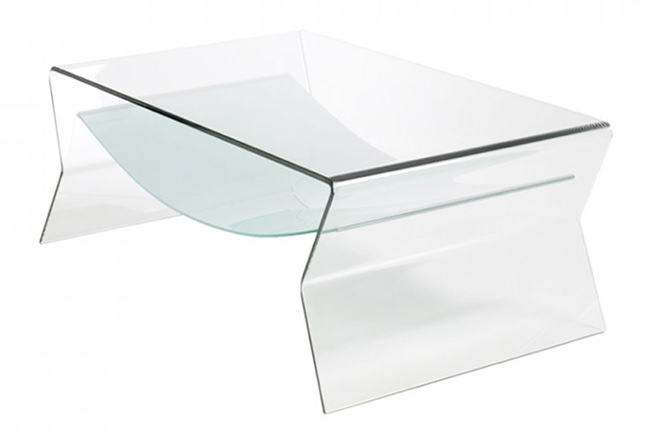
Acrylic coffee table

Where is acrylic glass commonly used?

Acrylic glass is found in a variety of commercial and residential projects. Acrylic can be used for windows, lighting, wall art frames, shower enclosures, greenhouses and furniture.

How much does an acrylic sheet cost?

Depending on the size and shape, acrylic sheets are available in a range of prices. Acrylic is often more costly than normal glass due to the added benefits of durability, malleability and safety. A 4-foot by 8-foot sheet of acrylic, with a ¼-inch thickness, may cost around $270.

[disclosure*]

Can you wash wipe-clean tablecloths?

Can you wash wipe-clean tablecloths?

Simplicity and efficiency are qualities to look for in wipe-clean tablecloths. Food & drink spills can make a table-top look an eyesore; it will prove simpler to keep clean with an easy-to-wipe surface. Wipe-clean tablecloths can be manufactured from a variety of materials, and you may wonder whether you can wash them once they get dirty.

Find out in the guide below how to go about washing your wipe-clean tablecloths properly and avoiding damaging them in the process.

Al fresco breakfast table

1. Clean immediately

As soon as anything spills on your tablecloth, clean it up. Some spills such as curry or beetroot may cause stubborn stains when left to remain on the cloth. To wipe, you’ll need a sponge or similar soft material that won’t scratch the surface.

It would help if you acquired quality wipe clean tablecloths made of acrylic, oilcloth or vinyl PVC that won’t quickly succumb to wear & tear. Cloths are there to help protect your table-tops and, as such, shouldn’t be easily damaged by accidental spills or regular wiping and use.

Turkish coffee on a table

2. Dealing with stains

Some food and drink spills on a tablecloth can cause stains. Water and washing up liquid will clean most food and drink marks. Avoid machine washing or tumble-drying.

To clean vinyl, dampen a clean colour-fast cloth with isopropyl alcohol to remove grease and ink stains. Begin cleaning from the outside, moving towards the centre to help reduce the spread of the stain.

Then, use water to rinse it off with a clean cloth and allow it dry. No matter how ingrained a stain is, don’t attempt to remove it using bleach as it tends to dry it out, causing cracks. Using abrasive cleaners is also not advisable due to their harsh nature that leaves scratches on the cloth.

For patterned oilcloth, test clean a small area first. If there are no ill effects, you can proceed with the rest of it.

Despite this type of tablecloth being easy to wipe down, you should give it a thorough cleaning once in a while. You’ll need a big surface such as a bath or large sink in which to wash it. A tumble dryer or a washing machine is not ideal for cleaning your tablecloths.

Lukewarm water is the most suitable to use with a mild detergent to avoid damage to the cloth. The use of harsh detergents or bleaches can damage your tablecloth. You can then rinse and then drip-dry it on a washing line rather than wringing it out.

Espress and cappuccino on a tray

3. Treating mildew & mould

Depending on where your tablecloths are, mould & mildew can affect them. The likelihood is outdoor tablecloths will be more affected than those located inside the house. Laying a tablecloth out in direct sunlight is the best remedy as it can kill mould naturally.

After airing it out, use water and washing up liquid to wipe it clean. Then, rinse off with clean, cold water. Finally, apply distilled white vinegar using a clean cloth and wipe it down with backward & forward movements. Without rinsing it, hang the tablecloth on a washing line to dry completely. Proper care is needed to keep wipe-clean tablecloths looking good for years to come.

[disclosure*]

3 tips for making your own curtains

3 tips for making your own curtains

If you’re a first-time home-owner turned curtain-maker, the pastime can prove to be quite a learning experience. However, with these three tips, you should be able to avoid at least a few of the major mistakes on your first attempt at making your own curtains.

Person cutting fabric at a sewing machine

Measurements are crucial

Measurements are crucial for any DIY project, and curtains aren’t an exception. There’s a certain degree of flexibility, of course, however it’s best not to stretch that flexibility any more than necessary. A few factors to keep in mind when measuring fabric for curtains include:

  • Keep the dimensions of the window and the purpose of the curtains in mind while shopping for fabric
  • Add an extra 30cm to the length or drop of the curtain (from the rod to the bottom hem) when measuring the amount of fabric you’ll need
  • If there are to be folds and/or pleats, the usual rule is to multiply the width of the window by 3 when ordering the fabric

Bolts of fabric

Choice of fabric: cheap or expensive?

Even if you have a little prior sewing experience, we’d advise against buying very cheap fabric as it can be harder to work with than more expensive options. However, if this is your very first time, you may not want to order luxury silk just yet! Pure cotton is a mid-range textile that offers ample opportunity to experiment your initial tailoring skills on, while thick polyester offers excellent insulation during those cold, winter months. Then of course, there’s corduroy which deserves its own discussion, because of the material’s distinct texture that sets it apart from everything else.

Cheap, medium-range and premium options are all available and ready to ship internationally through reputable suppliers like the Yorkshire Fabric Shop who have a fabric finder to help you choose the right material for your project. Instead of randomly picking what you like without the necessary knowledge, we suggest a prior consultation with the experts to arrive at a more suitable choice. They can help steer you in the right direction to ensure you don’t buy the wrong thing.

Fabric with tape measure, scissors, bobbin and cotton reel

Go with close-weaves

As a final tip, it’s suggested that beginners avoid material with an obvious motif or decoration that requires perfect pattern matching because that’s not a job for an inexperienced sewer, by any means. Making mistakes on the front will be difficult and time-consuming to put right – if not downright impossible. Plain and closely woven fabrics, on the other hand, are much more beginner-friendly and won’t end up looking like an amateur job.

Setting aside the learning curve and some of the inevitable beginner’s mistakes, rest assured that making curtains can be a very rewarding experience. Not only will you be able to create exactly what you want to complement your décor, but they’ll always be hanging around, receiving regular admiration from guests. It’s also an excellent way to market a new business, should you choose to go professional with the curtain-making idea at a later date. Happy sewing!

[disclosure*]