Out & About: Ynyslas

Ynyslas estuary looking out towards Aberdovey

It’s been a long while since we did one of our ‘Out & About’ posts.

Grass growing on sand dunes

There’s been a big house move and lots of DIY jobs to do recently. Then, of course, the Covid restrictions we’ve had to contend with this year. So, all in all, it hasn’t been the best time for getting out and exploring. However, when time and opportunity allows, we still head off for walks or a short drive somewhere.

Adelle sitting on a boulder looking out over Ynyslas estuary to Aberdovey

We have lots of new things and places to discover. One such location that’s been on our list since we moved to Wales is Ynyslas.

Three teasel heads

It’s a stunning area that encompasses a multitude of habitats for wildlife… and people!

track alongside the boatyard in Ynyslas

It’s part of the Dyfi National Nature Reserve which serves to protect the landscape here.

Groyne posts in Ynyslas Estuary

There’s both sandy and pebble beaches, dunes, salt marsh, raised peat bog and grassland contained within it.

Group of pebbles on the beach at Ynyslas

We arrived on a perfect sunny day, received a warm welcome from a warden and parked on the beach car park (normally £2 all day, but free on this occasion).

Sand, stones and shells on Ynyslas beach

There are a number of way-marked trails that you can take – or just ‘freestyle’ and wander around.

Sandpiper footprints in the sand

Some people appeared to unpack chairs from the car and just plonk themselves right where they parked. However, you didn’t have to move far to get a bit more space if so desired.

Ynyslas estury

We walked the 2½-mile ‘Ynyslas Trail’ which took in the dunes, beach, estuary and salt marsh, thus giving a nice taster of the scenery and various habitats. (It also means that you’ve ‘earned’ your cup of tea or ice-cream at the end).

Justin standing on Ynyslas beach

Having done that, we spent a couple of hours on the beach taking in the fabulous views both out to sea and inland.

grass on top of sand dunes

We really loved the place… and it’s less than half an hour’s drive from our new house.

Horses on the water's edge

We’ll be returning often to explore further or just relax with a picnic.

Panorama of Ynyslas from the top of a sand dune

Moving To Europe? Here are a few things to consider

Moving To Europe? Here are a few things to consider | H is for Home

Whether it’s the sunny fields of the South of France that have taken your fancy, the hillsides of Greece or the culture of Romania, there’s a lot to consider when choosing to move abroad from the UK. Approximately 1.3 million UK citizens have already chosen to take the leap, but moving overseas isn’t without its challenges. Here are a few things that you may want to consider if you want your move to run smoothly.

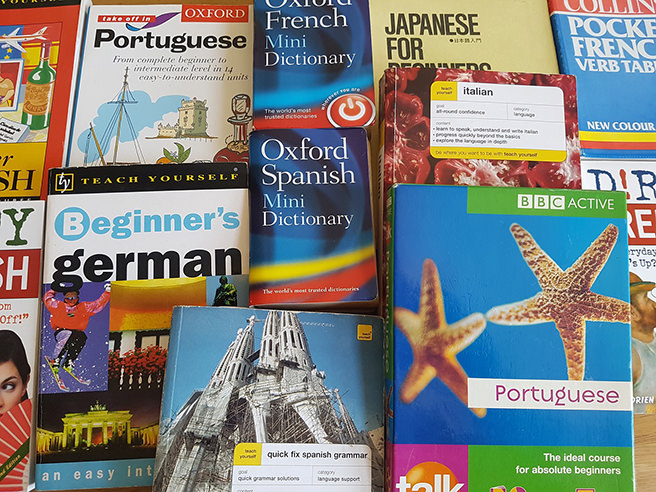
Stack of dictionaries on different European languages

Learning the language

Moving to Europe isn’t a spontaneous decision and the chances are that you’ll be planning your move for quite some time before it finally comes to fruition. While planning the logistics, one thing you really should be getting under your belt is at least a basic understanding of the local language. Even if you’re planning on moving to a relatively tourist-heavy location where English is likely spoken, you’re going to come into contact with people who don’t speak English during your moving process, and understanding the language will help you out tremendously when this situation inevitably arises.

Learning the local language is also generally seen as a common courtesy when moving abroad and is a nod to the fact that you’re willing to take on board the customs and traditions of the region you’re moving to and aren’t just being a Brit abroad. Rather than buying a hefty language book that reminds you of school, try something a bit more interactive like a language app that will help you to get a grasp of the basics in a fun and more engaging way. Throughout the moving process and when you’re settling in, you’ll have plenty of chances to practice your language skills and most people are more than happy to help you learn the quirks of the local dialect.

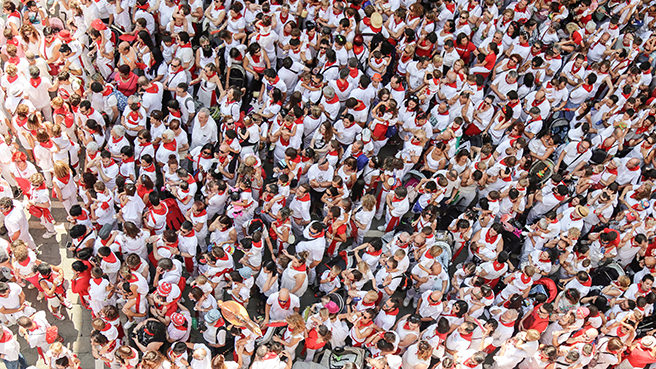
Crowds doing the run at Pamplona

Understand the culture

Visiting somewhere on holiday and moving there permanently are two very different things. Whereas on a vacation you may not worry too much about understanding the local culture, when moving somewhere permanently it’s important that you’re willing to become a part of it. To help you settle in and to feel more at home, take the time to research the culture you’re going to be becoming a part of. This includes things such as the local delicacies, common courtesies and religious and cultural rituals.

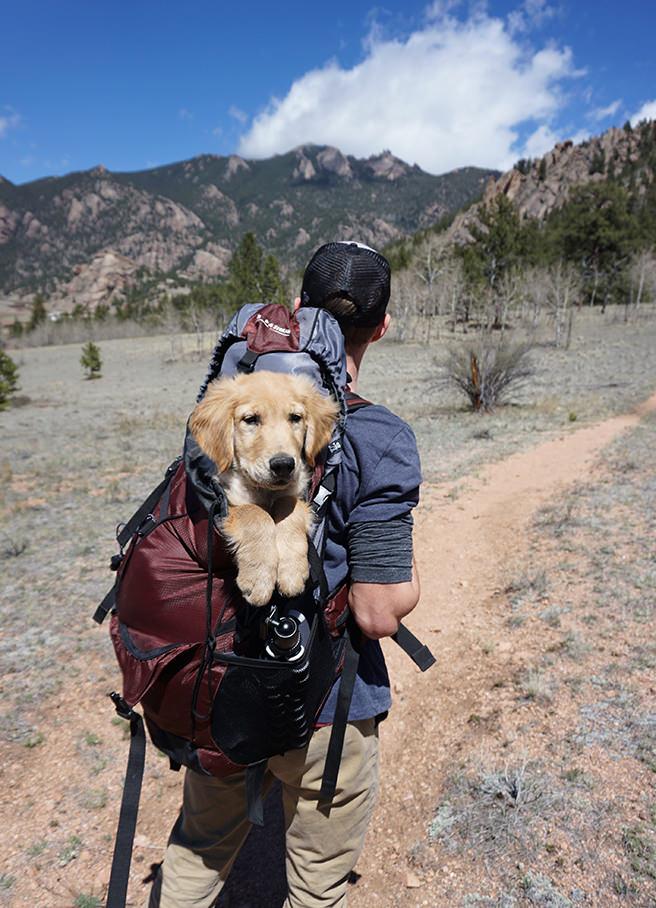
Golden retriever puppy in a rucksack on a man's back

Sort out your pet’s travel documentation

Sorting out the relocation details for your pet are often just as, if not more, difficult than yours will be. Taking animals abroad, even to Europe, can be tricky depending on where you’re going and the animal you’re taking with you, so it’s best to start the process as soon as possible. Start by ensuring that your pet has all of the necessary immunisations for the country you’re moving to, and speak with a vet about other precautionary immunisations that may be beneficial. Depending on the animal, you’ll also likely need to get it micro-chipped and you may also need to get it a pet passport. For more information on taking animals abroad, check out this article.

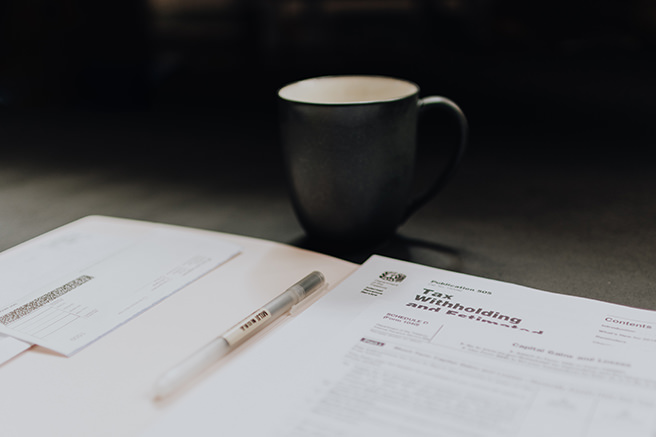
tax forms

Get your head around tax

There will always be two certainties in life – death and taxes; and sadly, you can’t escape them even on the sunny shores of Europe. As with most tax-related things, moving to Europe and the taxes you may need to pay are still quite complicated and it may take you a while to get your head around who and what you have to pay.

First things first, you’ll need to notify HMRC that you’re planning to leave the country by filling out and returning a P85 from Revenue & Customs. Failing to notify the relevant authorities that you’re moving abroad can actually mean you end up paying more taxes than necessary.

Next, you need to calculate whether you’ll still be receiving interest from the UK while living abroad. If you’re paying tax abroad, but receiving interest on your savings held in the UK, then you’ll need to pay tax on this interest and will need to fill out an R105 form from HMRC. If you fail to do this, then it’s possible that you may be taxed twice, once by English HMRC and once by the authorities in the country in which you now live.

You may also need to complete a tax return as an expat, especially if you’re earning an income from the disposal of your assets back in the UK. There’s a specialist tax return for non-residents that you can find on the HMRC website.

In addition to getting your head around the taxes that you still need to pay back in the UK, you also need to remember that each country in Europe has its own tax rules to which you’ll also now need to adhere. Failure to research and abide by the tax rules of your new residing country could lead to significant fines and imprisonment. If you’re finding all of this a bit too much, then it’s always best to speak to a financial advisor who’ll be able to clear things up based on your personal situation.

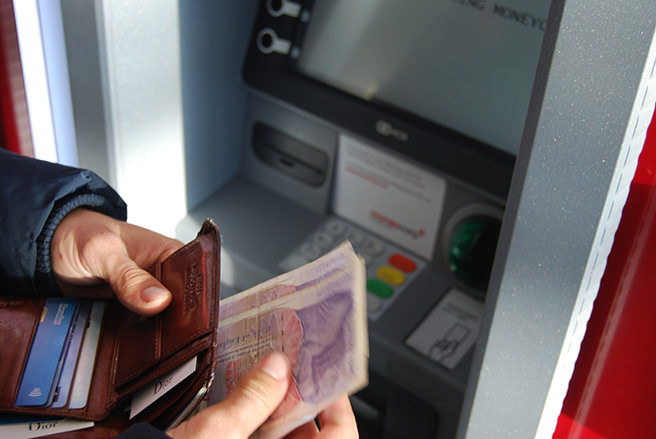
Person withdrawing money from a cash point machine

Decide whether to keep your UK bank account open

Moving money around, especially between currencies, can end up being a very costly affair. In general, most people choose to open up a local bank account in their new country of residence which can help with their day to day spending and keeping the costs of moving money down.

Depending on your circumstances, you may want to transfer your banking over to your new country completely by closing your UK bank account. You’ll probably want to keep your bank account open in the UK if you’re receiving rent payments from letting out your home, or are considering moving back to the UK at some point. However, if you have no incoming or outgoing payments and are not intending to return to the UK, then your bank account is basically redundant and it could be better to close it permanently.

The third option for expats is to open an expat bank account which is specifically designed for those that need to hold money in multiple currencies. These accounts can be based in the UK or in your new country and typically make moving money much more flexible. As with taxes, it can often be beneficial to sit down and to speak with a financial advisor about your banking, especially if you have considerable savings or investments.

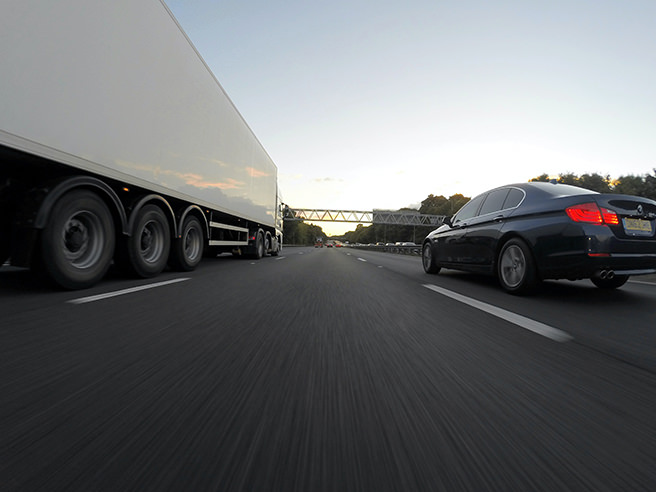
Moving lorry on a motorway

Work out the logistics of moving your belongings

The paperwork involved with moving to Europe is one thing, but the logistics of actually, physically getting your stuff there is quite another matter. Most people choose to streamline their belongings quite considerably before a move abroad in an attempt to keep the cost of their removals down, but it’s also possible to move vast quantities of belongings abroad if you’re willing to pay for it.

Start by assessing what you want to take with you and whether it would be cheaper to sell any of it before you move and to buy again in your new country of residence. It’s easier to sell items while you still live and pay taxes in the UK than it is to sell from abroad, so this process is often undertaken in the months running up to the move and not after the move itself. Next, you’ll want to decide how you plan to transport your belongings to your new home. Will you be driving with them? Flying? Or using a removal company? The former will definitely impact how much stuff you can take with you and so a lot of people choose to do a combination of all three, taking smaller items with them as luggage and letting European Removals handle larger items.

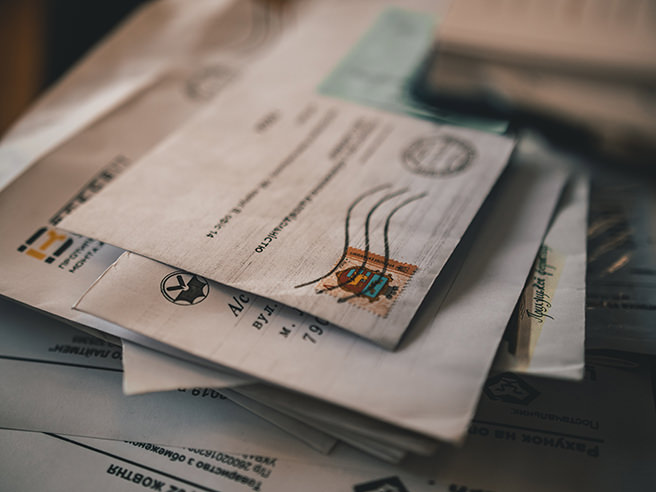
Pile of post

Redirect your post

No matter how careful you are to change the addresses on all of your mail subscriptions, chances are that some will slip through the cracks. To ensure that you never miss an important piece of post, consider using a mail redirection service with the Post Office. There’s a charge for using mail redirection, but after a little while, once you know which letters have slipped through the cracks, you can update your details with the senders and discontinue the service. Alternatively, if you’re renting out your property, let your tenants know that you want them to keep hold of your post and arrange with family or friends to have it forwarded on to you.

Moving house is never easy, and moving abroad just adds an additional layer of complexity. Despite its challenges, with careful planning and consideration, moving to Europe can be an extremely fulfilling experience and one which can change your life forever. Have you ever made a move overseas? How did you find it? Let us know in the comments.

[disclosure*]

Take the hassle out of your move to a new country

Take the hassle out of your move to a new country | H is for Home

Relocating abroad can be a challenging and tough experience, but there are ways you can make it less so. Every aspect of your life needs to move over to your new country of residence, and this can be a big job for anyone, especially if you have a lot of variables to take care of such as your possessions, your car and your family. There’s a lot for you to think about when you move to a new country, so here are some top tips on how to keep everything together and make your move as stress-free as possible.

Black & white illustration of a moving lorry

Outsource as much of your move as possible

Taking all of your possessions overseas can be a large logistical operation, so work with a trusted international moving company to ensure that your precious items reach your new home safely. They will be able to take a lot of the hard work out of your move and leave you free to enjoy the experience and get settled in your new environment.

Illustration of looking for a lawyer on a mobile phone

Check you have everything you need

When moving to a new country you need to make sure that you are obeying all the local laws and have all the visas, permits and licences you require. This is particularly important if you are moving pets, children or vehicles with you to your new home. Find a local lawyer who can guide you and help ensure that you have all the relevant documents ready before you move.

Illustration of a passport and visa being stamped

Keep your paperwork safe

Whenever you move to a new house it is easy to lose things, and this is even more true when moving abroad. Important paperwork such as your passport, visa and other vital documents should be kept with you, if possible, until you arrive at your new home and can put them somewhere safe. If possible, make copies of any important documents and keep them in a safe place so that if anything does go missing you can replace it easily and use the copy in the meantime.

Illustration of hands protecting an icon of a person

Work with local service providers

It can be hard to find service providers when you move to a new country, so consider working with companies that specialise in providing services to a specific region. For example, if you’re moving to Northern Ireland you could get your NI home insurance from compareni.com, which is dedicated to searching all the insurance providers that serve Northern Ireland in order to help you find the best deal.

Illustration showing a network of friends

Establish a local support network

Everything is easier when you have a trusted network of friends, so try to find some local pals who can support you and show you the ropes in your new country. There are some great apps out there for meeting new people which can help you if you struggle to make friends easily, so that you can quickly get your life back on track and make fun new memories. Befriending locals will help you to get used to your new country of residence’s customs so that you can settle in quickly and make yourself feel at home.

[disclosure*]

A day out in Aberaeron

Sunlight catching the water in the harbour

Justin’s mum and sister came to look at our new house yesterday. After a potter around and cups of tea, we decided to go for a drive – and show them one of our favourite places that’s on the doorstep. Well, not quite doorstep, but only 30 minutes drive. The place in question is the small harbour town of Aberaeron.

Blue painted house Green painted house

It’s a lovely destination to visit, whether just for an hour or two… or for a much longer stay.

Tafarn Cadwgan, a pink pub in Aberaeron Tafarn Cadwgan, a pink pub in Aberaeron

There are pretty, brightly painted houses everywhere you look.

Terrace of mulit-coloured houses along the harbour at Aberaeron

These provide the perfect backdrop for an equally attractive harbour area where boats are moored.

The Hive at Aberaeron

The first time we came here there had just been severe flooding in the area, and it was quite a scene of devastation. Large pieces of debris had been brought downstream by a raging river torrent and smashed into the small sea craft (as you can see at the left hand side of the photo below). Many vessels were affected, particularly closer to the mouth of the river. It must have taken some clearing up. It’s back to its gorgeous best now though and we had a very nice couple of hours in the sunshine, taking in the fresh sea air and having a bite to eat.

Aberaeron harbour | H is for Home

There’s no shortage of places to eat or have coffee. Pubs, restaurants, cafés, fish & chip shops and ice cream parlours. Personally, we’ve sampled meals and coffee The Harbourmaster, ice-cream at The Hive and fish & chips at The New Celtic . They all come highly recommended!

Seld interiors shop on Bridge Street, Aberaeron

In addition to the various catering establishments, there are also some lovely little independent shops. These include interiors shop Seld, which we always like to have a mooch around when we’re there. There’s always something to tempt us. And there’s more temptation just round the corner – Manor Farm Barn Antiques stocks some fabulous country furniture.

Quayside, Aberaeron

Aberaeron also has food, garden and craft festivals. In fact, one of our recent trips coincided with Feast – Aberaeron which was going with a real swing when we arrived.

Food festival, Feast Aberaeron

You can find bustling spots or quiet corners. Whichever you choose, just sit, take it all in – and enjoy.

Eating fish and chips beside the river Aeron

If you’re ever driving along the Ceredigion coast road, be sure to pull the car over and take a break here. Or make it the destination for a section of the coastal walk perhaps. Or even book a cottage for a week and spend a few days discovering the various attractions of the town and surrounding area.