Art Deco explained

Art Deco explained

When we look at the history of design in art, the late 19th and the whole of the 20th century have quite the story to tell. It was a period of constant flux & change, with many new styles that defied the ones that came just before them. And, in one way or another, all of those styles are beginning to make a comeback, even today.

While they were striking and different in their time, these styles still manage to retain their evergreen appeal. In other words, even the contemporary man can enjoy them with as much passion as the people a century or so ago.

One such style that everyone instantly recognises is Art Deco. The name itself makes us instantly think of jazz, the prohibition, expressionist theatre and the early days of the Great Depression. It was a time of great inter-war prosperity, but also a lot of uncertainty. Furthermore, it was a time when artists tended to move away from purely aesthetic ideas and aimed to combine both beauty and practicality in art. In other words, Art Deco was purposefully modern since its conception, which is why it’s so appealing – even now.

But what is Art Deco? How would you best describe it to someone who’s completely new to the movement? Well, this post is here to help you do just that.

Metal Art Deco doors

The origins of Art Deco: a brief history

First and foremost, we should point out that this style did not originally go by the name Art Deco. When it first appeared, most people simply called it the modern style. In its later phases, during the mid and late 1930s, it had the name ‘New Moderne’ or Streamline Moderne. English art historian, Bevis Hillier, would use the new name in 1968 in his book Art Deco of the 20s and 30s, which popularised the term. However, even he noted that the name was in use several years before he published his book.

Art Deco is short for Arts Décoratifs, ‘decorative art’ in French. The name comes from the 1925 International Exhibition of Modern Decorative and Industrial Arts held in Paris, France. Many people tend to confuse this style with other popular movements, such as Art Nouveau, the Bauhaus School and Art Moderne. However, this style is quite different. In fact, it came out as a direct reaction to the Art Nouveau tendencies that were popular in Europe and North America at the time.

Characteristics of Art Deco

Art Deco embraced modernity at the time. The style focused on geometric and angular shapes, sharp angles and bright colours. Furthermore, it used new, artificial and expensive materials to its advantage. A typical piece from that era would contain aluminium, lacquer, plastic and stainless steel alongside ebony, ivory and moulded glass. Exotic materials such as zebra and shark skins also became popular fixtures.

The movement took inspiration from Greco-Roman Classicism, as well as other cultures around the world (Aztec, Mayan, Babylonian, Egyptian etc). Triangles and trapezoids dominated, as well as stepped forms, chevron patterns and the sunburst motif. Since the design was so practical and simple it remained popular until the outbreak of WWII. However, while the style itself was simple, it wasn’t minimal… or even minimalist. In fact, the artists and designers often chose elaborate, interesting solutions to design problems and came up with fascinating ideas.

Chrysler Building, New York City

Examples of Art Deco

Art Deco is a style that, once you see it, you’ll be able to recognise everywhere. We’ll list some of the most prominent examples of Art Deco design in the sections below.

Architecture

Most people tend to think of architectural design when Art Deco is mentioned. In fact, the architects of the time embraced the movement, as it fit so well with the contemporary lifestyle. Every type of building had an Art Deco touch to it; from garages to cafés, from cinemas to airports. However, one type of building seemed to fit the style perfectly – skyscrapers. Indeed, it was as if skyscrapers and Art Deco were made for each other.

By far the most famous example of this type of architecture is the Chrysler Building in New York City. It has everything; from smooth, shiny surfaces to sharp edges and ornate, geometric details. It also made excellent use of modern materials. More than anything, the Chrysler showed that a concrete building can be an aesthetic marvel. Other examples of buildings constructed in a similar style include:

  • Chanin Building (New York)
  • The Empire State Building (New York)
  • Houston City Hall (Texas)
  • Cincinnati Union Terminal (Ohio)
  • Kansas City Power and Light Building (Missouri)

Interestingly, the creators of the 1990s television show Batman: The Animated Series chose Art Deco as the dominant style for Gotham City. In fact, many people who decorate their homes in this style today took their inspiration from watching the series as children back in the early ’90s.

Furniture

Art Deco furniture followed the same patterns and motifs as the architecture of that time. Every piece had sharp geometric, symmetrical designs and patterns. Furthermore, the use of striking colours such as bright green, red and yellow was common. Each piece evoked progress and development, keeping up with the technological boom of the time.

In terms of materials, designers experimented quite a bit. They’d use hard, natural materials like wood and leather – all to great effect. And they also experimented with manufactured materials such as aluminium and steel. In fact, you could find interesting furniture that contained heavy metal frames and cushions of natural leather. It was the contrast that attracted people most of all.

In addition, each chair, wardrobe, stool, shelf etc. looked practical, thanks to the modern materials. An item had aesthetic beauty, but it was also one that you could use in everyday activities.

Visual arts and graphic design

Magazine covers, adverts, movie posters, illustrations and other forms of visual art all embraced Art Deco with passion. Visual artists looked for different ways to emphasise the modern spirit of the ’20s & ’30s, with rectangular and square shapes, angular fonts and bold colour palettes.

Sexuality, or at least a celebration of the human form, was also a big part of their works – usually expressed using geometric, modern depictions.

The main motif, however, was moving forward boldly and with pride. Each piece would experiment with straight lines to emphasise the speed of the age, as well as the smooth, modern edges of contemporary buildings, furniture and even vehicles. Because, let’s not forget, the automobile industry was also booming at the time, and the cars reflected the style of the age.

Art Deco car

In conclusion

Of course, there’s a lot more to the Art Deco movement than what we’ve listed in the paragraphs above. With that in mind, we encourage you to explore further. In fact, you may even want to introduce some of these Art Deco ideas to your own home. After all, it’s a style that will always feel fresh and modern, in any age and in any home.

[disclosure*]

Get their look: Pink and green Art Deco vibe


View this post on Instagram


A post shared by Jo at Cloud Nine Interiors (@cloud_nine_interiors)

Jo from Cloud Nine Interiors lives in a 1940s semi-detached house in Leicester. The pink and green Art Deco vibe harks back to a slightly earlier age.

Although not an era that we feature very often, this sitting room nails it perfectly. The décor acknowledges the epoch without following it slavishly. The combination of soft pink and emerald green is a classic Art Deco colour pairing.

The use of plush velvet fabric on the sofa and cushions and gold coloured metal accessories give a sense of luxury and opulence. The two gold metal wall art pieces are contemporary; however, the form and typeface have a very Art Deco vibe.

Finally, the cheetah – along with other similar wildcats – were popular motifs of the time. They’re used in this room on cushions and wall art. Figures were used as car mascots, adorned jewellery and the real, live thing were used as fashion accessories.

Get their look

Some of the links on our blog are affiliate links. We may receive a small commission - at no cost to you - if you click through and make a purchase.
Prices & links correct at time of publication.

Voyager leaf rug
Voyager leaf rug
Riva Home velvet cheetah cushion
Florita 3-seater sofa
‘We are Family’ print
‘Ginfluencer’ gin print
‘Palm Hotel’ gold metal wall art
‘Vintage’ gold metal wall art
Wilko durable Delicate Blossom matt emulsion paint 2.5L
Voyager leaf rug
Voyager leaf rug
Riva Home velvet cheetah cushion
Florita 3-seater sofa
‘We are Family’ print
‘Ginfluencer’ gin print
‘Palm Hotel’ gold metal wall art
‘Vintage’ gold metal wall art
Wilko durable Delicate Blossom matt emulsion paint 2.5L

Why you should invest in Art Deco furniture

Art Deco sitting roomcredit

Art Deco furniture has been around since the 1920s and has become a very popular part of interior design. Many people are choosing to design their homes using an Art Deco theme because of the beauty and quality of some of these pieces. You’ll find a lot of original Art Deco pieces available both online and in vintage shops. Other shops will have their own modern versions of this timeless style. If you want to know why Art Deco furniture is so popular, keep reading to find out more.

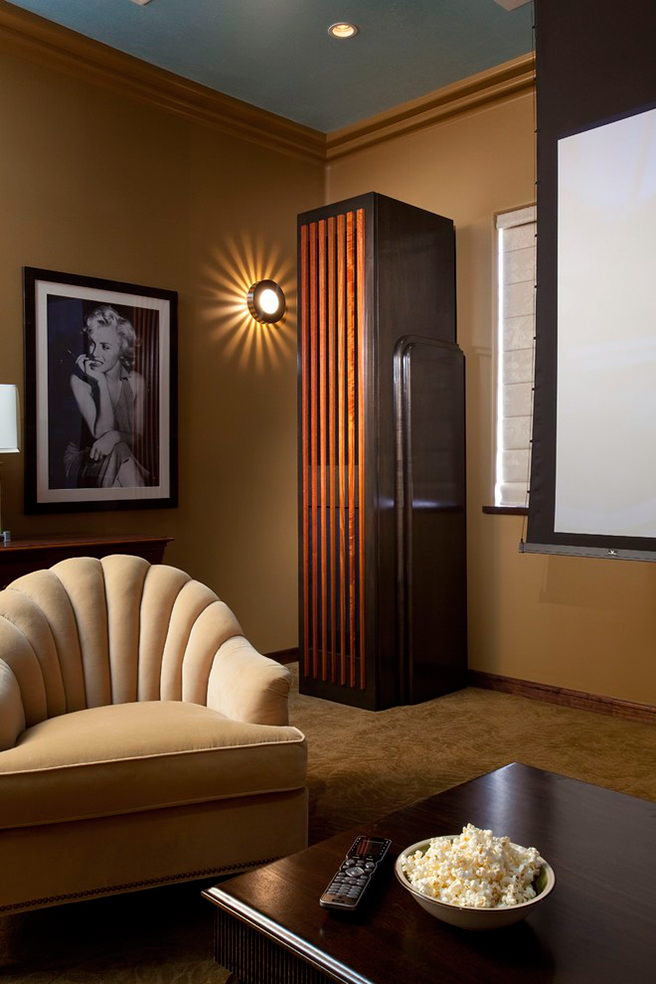
Art deco armchaircredit

What is Art Deco?

The Art Deco style originated in Paris, France, launching at an international art exhibition in 1925. Art Deco became increasingly popular throughout the 1930s where it was used in many different art forms from fine art to furniture design and architecture. The style of Art Deco is easy to identify because of its striking appearance. The shapes used during that era were often zigzags, stripes and other geometric shapes. Sharp lines contrasting against bold backgrounds and colours such as black, white, gold and chrome were prominent.

The popularity of Art Deco design has increased by the use of this style in films. The best examples of this are Metropolis and the 2003 remake of The Great Gatsby, based on the book by F. Scott Fitzgerald. This film is set in the roaring 20s and features some amazing Art Deco designs and furniture. Many people have been influenced by this film and have recreated the look for their own home or for Gatsby-themed parties. Here are reasons to invest in Art Deco furniture.

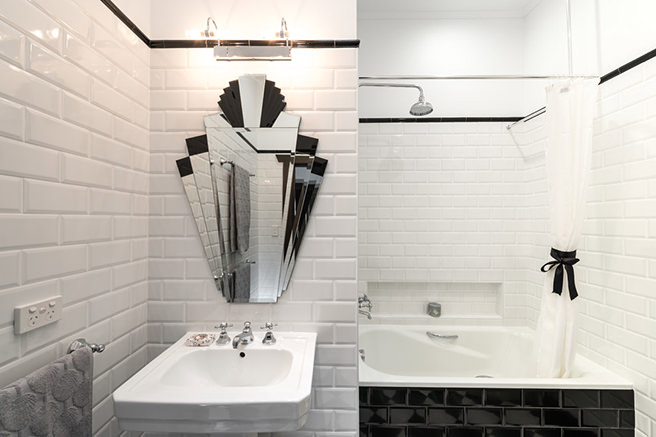
Art Deco bathroomcredit

Very stylish

The great thing about Art Deco furniture is that it looks amazing in interiors. If you’re a fan of bold colours and shapes, you’ll love having this theme take centre stage in your home. Art Deco is enduringly popular so you can be sure that your original furniture from the period will hold or even increase in value.

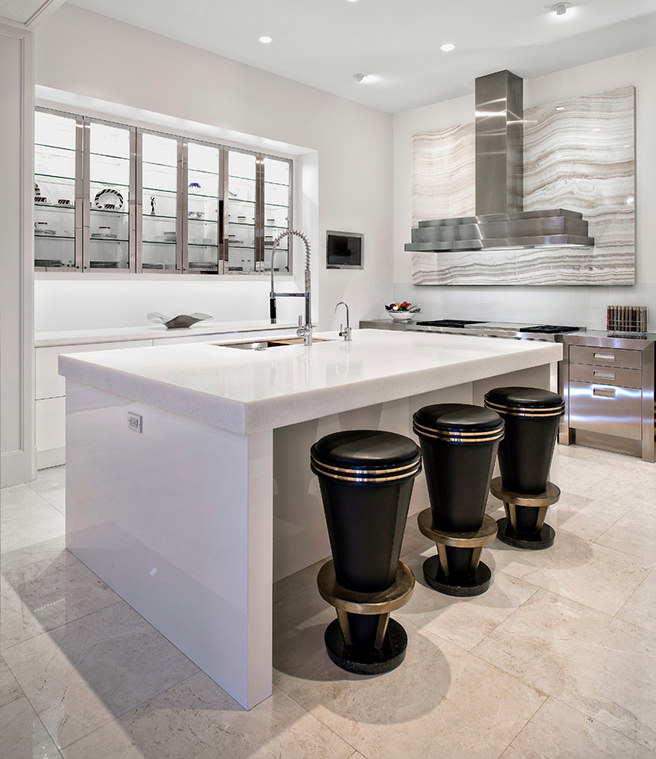
Art Deco kitchencredit

Great quality

If you encounter original Art Deco pieces in the flesh, you’ll become aware of the quality. Items such as Art Deco chairs or sideboards will have been made by hand with a lot of attention to detail. You’ll find great quality Art Deco pieces online constructed from walnut or other quality materials like Macassar ebony. Despite the quality being good, because of the age, you need to check that the item you’re buying has been looked after properly and is in good condition. If you’re going to invest in an Art Deco piece that requires repair, you can look into specialist craftspeople or, if you have the skills, restore it yourself.

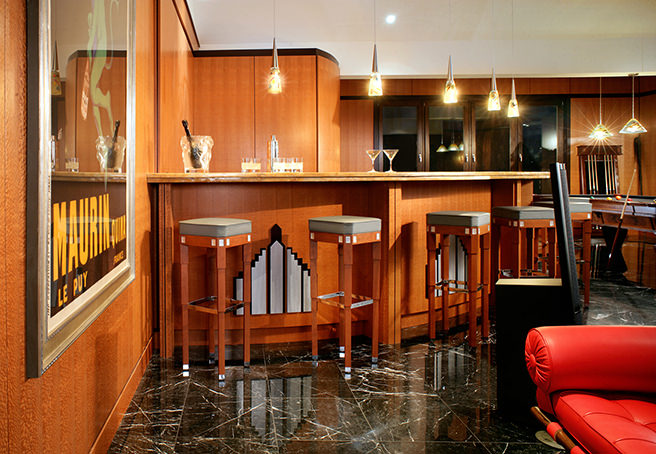
Art Deco bar and billiard roomcredit

Timeless pieces

When you invest in an Art Deco piece of furniture, you’re investing in a piece of history. If in the future you decide that you want to remodel and change your Art Deco interior, you’ll likely profit on your investment as it will be even more in demand in years to come. Another great thing about investing in Art Deco furniture is that you’re reducing your carbon footprint. By investing in furniture that’s been pre-loved, you’re reducing the amount of waste that you’re producing. Buying vintage furniture can be beneficial in more ways than one.

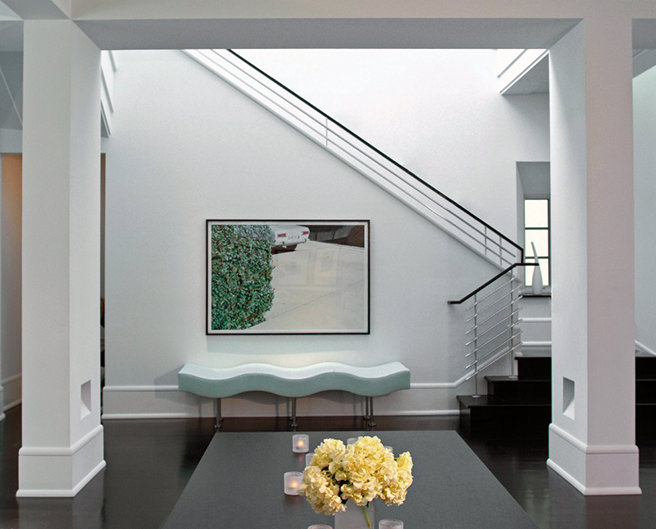
Art Deco stairwaycredit

Our final verdict

Overall, we think that investing in Art Deco furniture is a great way to make your home look unique and amazing. Get inspired by The Great Gatsby and the Roaring Twenties and transform your home into an Art Deco palace.

[disclosure*]

Designer Desire: Tamara de Lempicka

Mosaic of Tamara de Lempicka artworks | H is for Home

Tamara de Lempicka has been a favourite artist of ours for years. Her work isn’t from our usual era – mid-century modern – it’s straight out of the Art Deco and Jazz age.

de Lempicka’s work depicts her glamorous life and that of the time in which she lived. She came from a wealthy Polish family and lived a Bohemian life, socialising with aristocrats and Hollywood film stars. She married a baron, had affairs with both men and women and travelled extensively, fleeing the Russian Revolution and then World War II.

Her painting style developed and changed throughout her career, however, it’s her work from the 20s & 30s that’s our favourite. Portraits of fashionable flappers, open-topped sports cars, cubist skyscrapers. Her execution of fabric – the folds, the ruffles, the shadows – is outstanding!

A range of affordable prints and other decorative objects using her artworks can be found online. There are also lots of books about her paintings and her long and fascinating life.

Tamara de Lempicka painting a portrait of her first husband Tadeusz Lempicki, c.1928credit

Additional image credits:

Pinterest | Wikiart