How your household changes when you grow your own veggies

How your household changes when you grow your own veggies

Growing your own veggies completely changes your relationship to health. It takes a lot of work to start a vegetable garden in your backyard. The typical household with a vegetable garden tends to have young children, as it’s a happy and exciting hobby for the whole family. Kids, especially, love to get involved with the gardening side of things. Even picky eaters are more likely to eat their greens when they’ve personally watched them grow. Even if you don’t have children, you’ll still notice positive transformations.

For a start, you’re more likely to pile more vegetables on your plate. There’s something joyful about preparing and cooking the produce that you’ve grown yourself. Comparatively, home-growers consume a lot more veggies than grocery shoppers. Additionally, you’ll save money on your food shopping bill. Small vegetable gardens may not make a big difference budget-wise, but you only need to grow a handful of vegetables to cut down on your supermarket spending.

However, the changes can also completely transform your household. There’s more to those tomato plants and beans than meets the eye.

Vegetable plot with salad and herbs

You reshape the garden

Don’t assume that planting a few seeds in a row is going to be the beginning & end of your gardening journey. On the contrary, growing your own veggies encourages you to transform and redesign the garden to make the most of your plants. Depending on where you live, it might be a good idea to add protective barriers and layers to keep your vegetables safe from pests and bad weather. A greenhouse can be a fantastic addition to your garden. Greenhouses are especially useful if you live in a temperate climate that lacks sunshine, as they can help tomatoes, peppers, courgettes and other summer harvests to ripen. You also want a greenhouse to protect your plants throughout the colder months of the year, ensuring continuous access to fresh salad and vegetables. In climates prone to storms, heavy rain or strong winds, plantation shutters will keep your garden in tip-top condition.

If you’re concerned about insects eating your vegetables, planting some of your most vulnerable crops in raised beds can keep slugs, snails, caterpillars and other similar pests at bay.

Mixed salad leaves in a large bowl

You become plant smart

Growing vegetables teaches you a lot about Mother Nature’s goodness. For a start, amateur gardeners learn rapidly about companion planting, which leverages the deterring properties of one specific plant to protect the harvest of another. For instance, growing basil amongst your tomato crop will help ward off whitefly. Stinging nettle is a surprisingly popular choice among gardeners as it attracts butterflies, keeping them away from your precious lettuces! Nasturtiums are a favourite companion plant to beans as they attract aphids away from the food crop.

As you gain experience about gardening, you learn how to harness and utilise natural plant properties in your home. Lemon, for instance, can be juiced and used to clean your stainless steel appliances. Lemon also makes a delicious tea that can be fantastic against indigestion. You can pair it with grated ginger for best effects. The plants in your garden are full of surprises. Coriander, for example, can help aid digestion and even remove toxins from the body. For severe indigestion, peppermint helps relieve the discomfort from vomiting and stomach bloating. The more you learn about plants, the more you learn about ways of treating common complaints naturally.

Knife & fork and peashoots

You could even lose weight

How can growing your own vegetables help you lose weight? Eating fresh food that hasn’t been over-processed will help you get healthier. Indeed, as you eat more vegetables and home-cooked dinners, you’ll gradually consume fewer refined meals. Processed food is often high in additives and preservatives and may have lost many of its nutrients during preparation. Often, the more processed and junk food we eat, the more we crave it; it can be hard to break out of this unhealthy, vicious cycle. Natural, home-grown vegetables can be your saviour. Besides, it’s fair to say that the more you cook and eat home-grown, fresh vegetables, the less likely you are to want to snack between meals. In addition, vegetables can keep you feeling full for longer, compared to junk food!

Fridge full of colourful veggies

You have more energy

Approximately 10% of Americans have a severe nutritional deficiency. Many more can experience mild symptoms of deficiency, which can be addressed with vitamin supplements. However, they don’t quite match the goodness of natural ingredients. The most common deficiencies in the US concern vitamin B6 which can be found in chickpeas and bananas. Iron deficiency is surprisingly prevalent among young children and women. However, eating home-grown spinach and broccoli can be enough to tackle it. Vitamin C can be found in many home-grown crops, from peppers to strawberries. Kale can be a fantastic substitute for people with lactose intolerance who also have a calcium deficiency. As you address the deficiency naturally, your body begins to feel healthier and more energetic.

Brassica seedlings in a tray

You consider becoming self-sufficient

Growing your own vegetables is only the start of a long journey to self-sufficiency. For instance, you could choose to keep hens as well for the daily fresh eggs.

If you want to reduce your home & garden costs, install water butts to harvest rainwater and keep your mains water bills and consumption down. Be advised, you’ll need a specialist filter solution to be able to use rainwater inside your home.

Ultimately, the garden can convince you to take the first step toward a greener lifestyle. There are so many options available from this point onward. It’s up to you to decide whether you should install solar panels to produce your own energy, attempt to go plastic-free or endeavour to prepare all your own food from scratch.

As surprising as it sounds, growing your own veggies can completely transform your home, your lifestyle and your health. But one thing’s for sure; it will always be for the best!

[disclosure*]

Price Points: Garden hoses

Garden hoses

It’s that time of year when everything in the garden is beginning to re-emerge after its winter slumber. New seeds are germinating, there are buds on shrubs and naked trees are showing signs of coming back into leaf.

The recent dry spell reminded us that all this spring growth is thirsty work. We were out every evening with watering cans, to-ing & fro-ing from the outside tap to all our potted plants. This is a time when garden hoses really come into their own. They make watering the garden a much easier task.

We’ve compared three different garden hoses, all of an equal length – 50 metres. It means that it will cover the distance from the tap, halfway around our cottage and up some steps to the vegetable plot where some of our most dehydration-prone plants reside.

The Hozelock hose would be my first choice, simply because of the range of fittings and accessories the company also manufactures. I’d be guaranteed that they’ll fit the hose with ease and without any leakage.

  1. Wickes heavy duty garden hose pipe, 50m: £24.00, Wickes
  2. Green reinforced outdoor hose, 50m: £27.95, eBay
  3. Hozelock Ultramax hose pipe, 50m: £45.00, B&Q

shop garden hoses

Some of the links on our blog are affiliate links. We may receive a small commission - at no cost to you - if you click through and make a purchase.
Prices & links correct at time of publication.

Hozelock Ultramax hose pipe, 50m
£45.00
Green reinforced outdoor hose, 50m
£27.95
Wickes heavy duty garden hose pipe, 50m
£24.oo
Hozelock Ultramax hose pipe, 50m
£45.00
Green reinforced outdoor hose, 50m
£27.95
Wickes heavy duty garden hose pipe, 50m
£24.oo
Hozelock Ultramax hose pipe, 50m
£45.00
Green reinforced outdoor hose, 50m
£27.95
Wickes heavy duty garden hose pipe, 50m
£24.oo
Hozelock Ultramax hose pipe, 50m
£45.00
Green reinforced outdoor hose, 50m
£27.95
Wickes heavy duty garden hose pipe, 50m
£24.oo
Hozelock Ultramax hose pipe, 50m
£45.00
Green reinforced outdoor hose, 50m
£27.95
Wickes heavy duty garden hose pipe, 50m
£24.oo

What does your garden fence say about you?

What does your garden fence say about you?

Avid gardeners freely admit that the fruits of their labours give them great satisfaction. It’s completely understandable, the effort of tending plants & flowers and the assorted wildlife can be hard, physical work.

In many cases, people simply can’t rest until all elements of their garden areas are in order, and will go to painstaking efforts to make sure everything is exactly to their liking. However, there’s one area that may perhaps be overlooked – and that’s the garden fence.

The garden fence is an essential element to the creation of your garden; not only this, it can give a hint to your personality. In many ways, while they border the natural environments you’ve lovingly curated, they also reveal much about your own temperament as well.

Without further ado, here’s a little of what your garden fence says about you!

Blue painted fence

You have high standards

The garden fence serves up a first impression for many visitors or passers-by, and if it looks decrepit and dishevelled, folk will think similar standards have been carried through to the indoors. It might be that friends and family you’d like to invite in would rather not, merely from a quick glance at your fence.

Conversely, an immaculate garden fence paints a far more positive picture of things. After all, part of having a good spring clean often involves making sure that gates and fences are upright and secure, so you can’t get away with shirking your responsibilities here. There’s plenty of visual evidence for a neglected garden fence including moss, rot and damage, so maintaining order here will speak volumes of your character.

Tall stained wooden fence

You value your privacy

A tall, sturdy-looking fence is a great way to put off potential wrongdoers and trespassers. A robust looking run of fence panels, free of holes and damage, increases both the security and privacy of your home.

To maximise both of these important qualities, combine 6ft tall fence panels with a gravel board. Gravel boards will provide a few extra inches of height whilst helping to protect the bottom of the panel from moisture and rot. Also, when selecting your new fence panels, be sure to opt for heavy-duty, traditional types such as feather edge, close-board or tongue & groove. These are the strongest types of fence panel available on the market.

If you’re looking to upgrade your garden fencing, Buy Fencing Direct have a huge array of different fence panel sizes to choose from. Their online store contains posts, accessories and gates. Boasting an impressive Trustpilot score of 4.6 out of 5 stars (based on 2,565 reviews at time of writing), you know you can trust their products and service.

Vintage photo of two old men chatting over a low fence

You’re sociable

Of course, there’s no light without dark, and there’s no private garden fence type without those that facilitate social engagement.

Stockpile images from Getty Images show that the garden fence has long been an anchor point of interaction between neighbours, with fabulous friendships flourishing despite the physical divide between the participants involved. Indeed, chin-wagging over the fence has long been a common pastime, and it’s still enjoyed today as a way to spend a few hours in the sun exchanging stories.

This variety of fence is likely to be lower, or at the very least to have holes through which neighbours can see and speak to one another. Arguably, these types of fence have been more important than ever lately, as many people have craved social interaction during the isolating times of the pandemic. For some people, witnessing their friends tootle about in their gardens has been a calming comfort, a reminder that life must go on as peacefully as it may.

Decorative wooden fence

You’re stylish

Fences are very much a part of your garden’s overall appeal, not only in terms of the points mentioned above, but also in terms of style.

For example, the iconic white picket fence still resonates across the pond today, partly symbolic in fulfilling the American Dream. Meaningful art has even been derived from it, undertaking deeper meanings in wider contexts far beyond their immediate use. Ultimately, fences can be fashionable, revered both through history and in modern times too.

Some fences can add a significant amount of kurb appeal to your home also, making it easier to sell for a higher profit should the need ever arise. They not only mark your territory, but they beautifully encapsulate everything both you and your property are about. They tell people that you care about your home, right down to the most minute details. If you value such things, then it begs the question what other interests, quirks and hobbies you possess, meaning great things for people’s overall impressions of you.

[disclosure*]

Top 3 tips to help you take back control of your garden

Top 3 tips to help you take back control of your garden

Allowing your garden to go wild can make it incredibly hard to take back control, both in terms of the physical challenge and the motivation.

There are some basic things to consider before getting started. Such as what are you trying to accomplish? How much work will be done? How much spare time do you have? If it feels like there’s too much to do at the beginning, you could always hire a professional to come and tackle the initial task. This will free you up to get creative and have fun with it when it’s in a more manageable state.

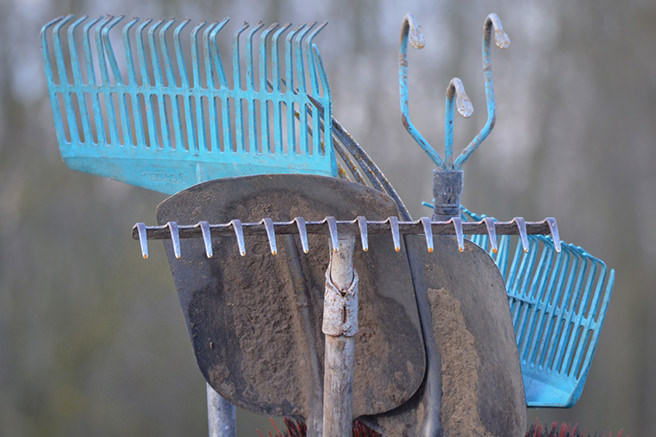
Garden tools

Use the right equipment

If you’re trying to work on your garden, despite how motivated you are, if you’re using old and defective equipment then you’re probably not going to get very far.

A great way to get started is to plan what you want to do with your garden. Perhaps you know that once it’s been cleared up, you want to have a watering system put in place.

Inputting a water irrigation system isn’t necessarily complicated, but it’s good to plan ahead so you know where you will need to place it, and what equipment you’ll need to have to hand.

Other useful garden equipment includes tools such as rakes, trowels, hoes and spades. Even wearing the right gloves and footwear can help you take back control.

Aphid infestation on a rose bush

Get protection from invaders

If you’ve let your garden run riot for a long while, it may have become a haven for slugs & snails, insect pests and other assorted, undesirable critters. Once dealt with, one of the best and most effective ways in which you can prevent this problem from recurring is to put in adequate protection.

Perhaps it’s not caused by pests, maybe you’ve lost control of your garden to the elements. Well, luckily there’s a method that can actually help fight against both. It comes in the form of garden netting. You can find garden netting online from experienced sellers such as Little Fields Farm; they offer thermal protected nets that keep the cold out, whilst still allowing rain to come in.

These nets, as well as serving as defence against the weather, will also help prevent insect pests from getting access to your plants and destroying everything. Using nets and other protective materials in your garden is a great way to help you regain control from the elements.

Gardening journal

Create a monthly plan

Once you’ve done all the hard work in taking back control of your garden, you’ll need to continue working hard to maintain the condition of your new & improved garden. With that in mind, consider having a monthly plan put into place. This could be a day in the month that you set aside to do everything, or you could have a schedule spread over the period of a month where you tackle bits at a time. Keeping a garden journal where you note down your achievements will help to keep you motivated.

Some of the things to incorporate into your schedule include removing weeds, clearing paths, pruning & dead-heading, removing fallen leaves, sowing seeds & taking cuttings and composting. It really depends on your garden situation and what you have around you. In the UK, weeds are a constant and there are tried & tested methods to eradicating them.

Having a plan in place will help you get organised and motivated to get work done and keep your garden manageble.

[disclosure*]