How to move your plants when you move home

How to move your plants when you move home

Moving home can be one of life’s most stressful activities. The good news is that it doesn’t have to be that way. If you plan ahead effectively, your move will be exciting rather than stressful. Part of this involves ensuring that your most cherished possessions arrive safely. For many people, that includes their plants. Here are some tips to help move your plants to their new location successfully.

Moving boxes and plant in a kitchen

Get packing in good time

Even if you have the budget for professional removers, it can be more useful to use mobile storage solutions like https://www.mobistorage.com.au/moving-house/perth/. The benefit of this is that it allows you to pack your belongings yourself at your own pace. This allows you to declutter as you go rather than leaving it to the last minute.

Taking the pain out of the main household move will give you more time and energy (and money) to organise the removal of your more precious items. As a rule of thumb, pets and any very personal items should generally travel with you. Plants may go in your car (or on public transport). You might, however, want to arrange alternative transport for them.

Taking cuttings from a favourite plant

Moving garden plants

Before you move outdoor garden plants, make sure that you legally can. If you’ve sold a home with a garden then the garden plants may be considered to be a part of that sale unless you clearly specify otherwise. If you’re a tenant, then the plants will probably belong to your landlord unless you planted them yourself. Taking seeds or cuttings is often a better option.

You’ll also need to consider the practicalities of finding a new home for your garden plants. Even if your new garden or allotment is geographically close to your old one, the conditions may be significantly different. For example, the soil may be more acid or alkaline, there may be a different balance of openness and shelter and/or of light and shade.

If, however, you’re confident that you can take at least some of your garden plants with you and give them a happy new home, it’s generally possible to move them. Prune them back as hard as possible ahead of your moving day. Then uproot them as close as possible to your moving day. Try to dig when the soil is warm rather than cold or hot. Leave plenty of room for the roots. All these steps will minimise trauma to the plants.

House plants in a cardboard box on a checkerboard floor

Pack and load your plants for stability

Once you have all your plants gathered together, you need to pack them for stability. For example, tie branches together and add canes for support. Consider adding weights to pots. Try to pack smaller pots in trays with lips so the pots support each other. Keep the weight balanced across the tray.

When you load your plants, keep stability in mind. If you have a lot of plants, using a van can be far easier than using a car. Whatever transport you use, make sure that larger plants (and their pots) are going to stay put and not crush smaller ones.

If you’re going any more than a very short distance, give your plants a good drink before you leave. In fact, if you’re going a long distance in hot weather, you may need to rehydrate them periodically during your trip.

House plants arrived in their new home

Making your plants feel at home

Check your plants thoroughly for transport damage and if you find any deal with it promptly. Replant garden plants as quickly as you can and water them in thoroughly.

Try to give all your plants the same conditions they had in your old home. Container plants will generally adapt easily, garden plants will often need more attention. In particular, they’ll probably need extra water and possibly food until their roots are completely back to normal.

[disclosure*]

Make your moving day stress-free with this checklist from movers

Make your moving day stress-free with this checklist from movers | H is for Home

Planning & preparing for your upcoming move can be extremely stressful. However, a complete checklist of to-dos can go a long way in streamlining the moving process and making the big day stress-free.

With so many things to attend to, take a look at this moving checklist so you can transition into your new home effortlessly.

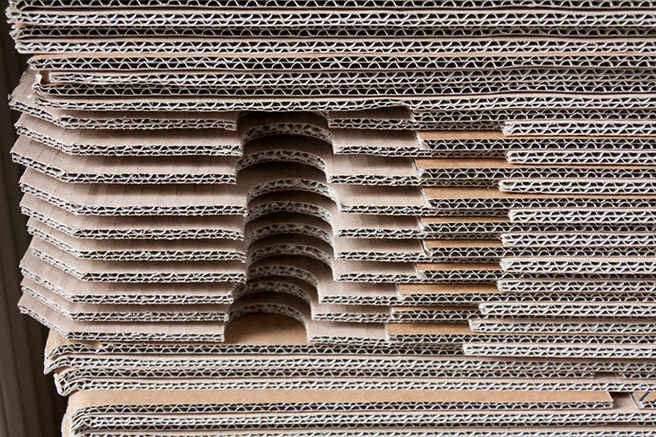
Flatpacked cardboard boxes

1. Get organised

Of course, there are things you’ll definitely want to do in advance to simplify the moving day. By tackling some tasks beforehand, you can keep yourself organised throughout the process. The more you stay organised, the more you can make your relocation stress-free.

  • First, find time to research professional movers. If you’re moving to New York City or nearby places, start getting on-site estimates from movers. Once you get a hold of the estimates, make a fair comparison and find the best moving company.
  • Second, de-clutter. Walk around your house and get rid of all unwanted items. Once you’re done, update your inventory as needed.

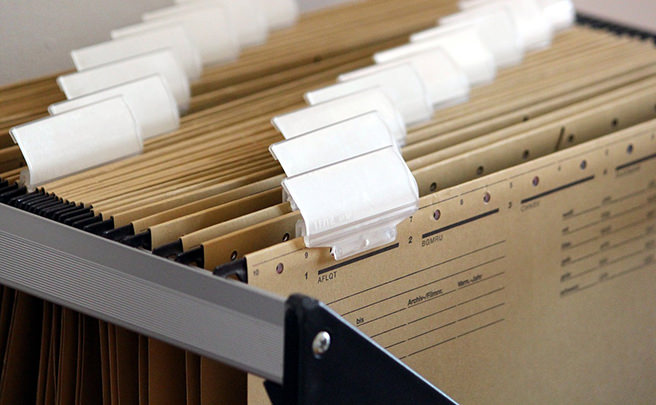
Manila files

2. Deal with paperwork

Make sure you deal with all the paperwork before the moving day arrives to avoid misplacing them. Thus, it’s essential to keep all the important documents in one box. These may include passports, insurance polocies and other related documents.

It can also be a good idea to create electronic copies of these documents. All you have to do is to scan and save them on a USB. Be sure you always have easy access to all of them.

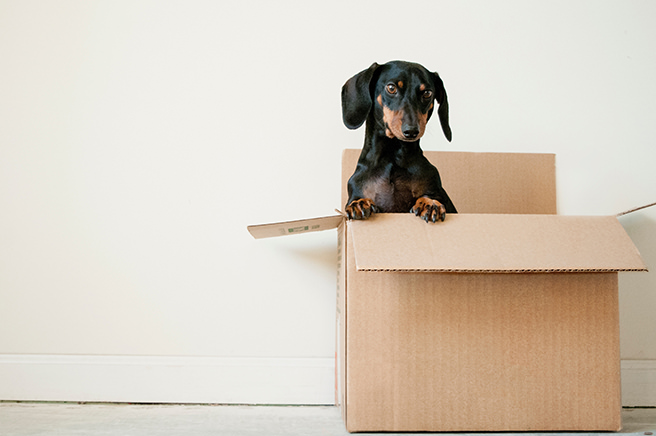
Daschund in a cardboard box

3. Plan how you pack

Packing all your belongings can take longer than you think. That said, it’s best to begin as early as possible to avoid stress and anxiety. Once you’ve cleared away everything you don’t need, you can start with the rooms you use the least. Packing up those areas and then utilising them to store any of the boxes will allow you to get things done in the fastest time possible.

When it comes to labelling, it’ll be easy to mark the boxes with the room you in which you want it to go in your new home. Make sure you bullet point a few of the items within the boxes, so you know what’s inside. Moreover, try not to fill your boxes with too many things. Use big boxes for lightweight belongings such as cushions and duvets and small boxes for heavier ones such as books.

If you have electrical equipment such as printer scanner, flat-screen TV etc, it’s a good idea to use their original boxes to ensure they don’t get damaged. You can also use bubble wrap and durable packing tape for additional protection. If you’re moving heavy items such as a piano, it’s great if you have them handled by experienced piano movers. That way, you’ll not risk injuring yourself in the process.

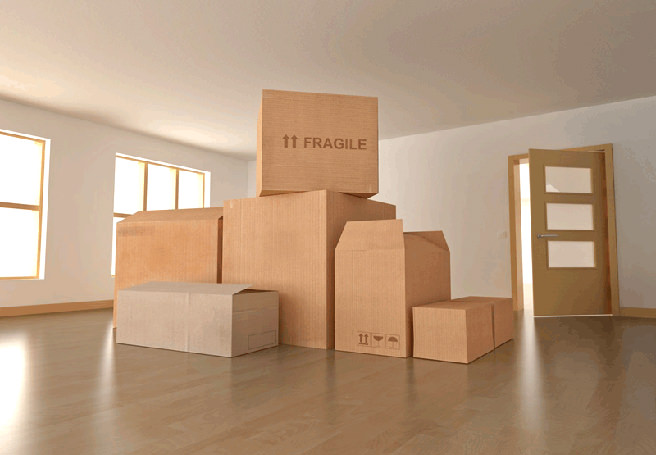
Packed & stacked cardboard boxescredit

4. Get ready when the movers arrive

As mentioned, the most stressful part of moving is the actual day of your relocation. You need to do many things to make sure everything is ready once the moving crew arrives. Below are the things you need to do to make your moving day stress-free:

  • Check all the paperwork, including the essential details of the agreement you signed with the moving company.
  • Make sure you have an inventory of all boxes before they’re loaded into the truck.
  • Confirm with the crew the time and date your stuff will be delivered to your new destination.
  • Do a quick run through with the crew as they check your furniture and other bulky items. Be sure you and the movers are on the same page when it comes to the condition of your furniture. It’s beneficial in case your items will get damaged during the relocation.
  • Prepare some snacks and cold beverages to build a friendly relationship with your movers.
  • Keep your communication lines open, so you’ll be available to respond to any questions that the crew may ask you during the transit.
  • Make sure to keep your moving day survival kit handy to ease the transition.

Key in a front door

Conclusion

Moving day can be a big deal. Although you want everything done as soon as possible, it can really be strenuous. Therefore, follow this moving day checklist to ensure all necessary tasks are completed on time. With this checklist from movers, you can enjoy a smooth moving day experience into your new home.

[disclosure*]

Critical mistakes you must avoid when moving house

Critical mistakes you must avoid when moving house

Moving home, whether it be to another country or just down the road, isn’t an easy thing to do. Though the process might seem straightforward, there are many more details to consider than just packing and transportation. There are so many decisions to be made and things to do that mistakes are bound to happen. The trouble is, when certain things go wrong, they can cause a lot of stress. With that in mind, here are six critical mistakes you must avoid when relocating.

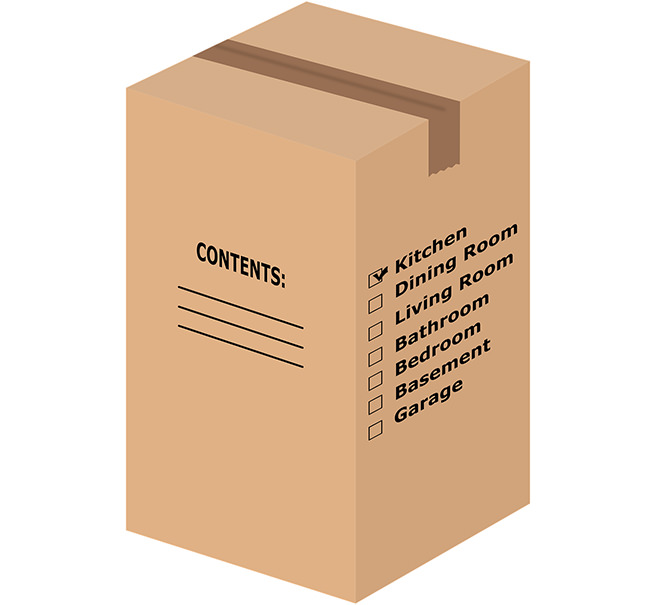
Illustration of a cardboard moving box

1. Taking everything with you

The more you take with you to your new home, the more stressful the move is going to be. You’ll also make the process more costly, as you’ll have to hire a larger moving van. Because of this, you should take moving house as an opportunity to de-clutter. Before you start packing, go through each room and set aside things you don’t want. You can then donate those belongings.

Illustration of a delivery man

2. Failing to change addresses

Banks, utility providers, employers and the Post Office don’t automatically know when you move house or where you move to; this is something that you’ll have to tell them. If you forget to do this, you could miss important mail or receive a higher energy bill than you should. Make sure that you contact those establishments to inform them of your move at least two weeks prior.

Illustration of two removal men holding a cardboard packing box in front of a removals van

3. Moving without professional help

Some things in life you can do easily by yourself. Moving house, however, isn’t one of them. Even if you’re only moving down the road, you should call up a moving company to help. Removalists are experts in disassembling and fitting together furniture, as well as lifting heavy and awkward items. This can save you a lot of trouble, as well as the risk of injuring yourself.

Illustration of a woman packing a cardboard box

4. Leaving packing too late

Packing up your home is a task you can never leave until the last minute. You always have more stuff than you think you do, so it’s best that you give yourself at least a few weeks to get everything into boxes. Start by packing up rooms that you use the least, like the attic and spare bedroom, and then move to another one. You can utilise the empty rooms to store all the boxes.

Illustration of a blue elephant holding a 'Don't forget' plackard in its trunk

5. Forgetting the survival box

Although you’ll unpack a few boxes the night you move in, most of your belongings will be left packed up until at least the following day. This can cause problems if you don’t know where your toothbrush, pyjamas, or plates are. There are a few things that you’re guaranteed to need on moving day. For easy access to those essentials, you should pack them all together in a moving day survival box.

Illustration of a man with empty pockets

6. Overlooking the hidden costs

Moving house isn’t a simple or cheap process. Just the moving company alone can cost you hundreds, especially if you choose to move on a weekend or public holiday. Although it’s not possible to plan for every cost involved in moving, there are many hidden ones that you can’t afford to overlook – such as unforeseen repairs. You should also plan for unexpected costs by saving up a cash cushion.

Moving house can be a stressful process, but avoiding the mistakes above will make it a lot easier for you.

[disclosure*]

Preparing for your move

Preparing for your move | H is for Home

If you’ve ever needed to move, you’ll understand how difficult a process it can be. Every decision you make and every free minute that you have seems to revolve around packing up your personal belongings, contacting movers and worrying about everything that can go wrong. Most of us don’t move often, but when we do, it can cause us a lot of stress and anxiety. The pressure that we feel when we move can take a toll on other aspects of our lives, including our families, our jobs and our hobbies.

To make your move less stressful, there are some things for which you should always be prepared. You need to fully understand the costs of a move, how you can be best organised for a move and what you will need for a move.

Illustration of someone carrying moving boxes to a van

Costs of moving

The costs of moving can be expensive whether you plan to hire a moving company or do it on your own. The American Moving and Storage Association found that the average intrastate move costs about 2,300 dollars, while a long distance move can cost about 4,300 dollars. While many people may think that it’s more cost efficient to do the move themselves, this isn’t always the case.

When you take into consideration the cost of renting the truck, the petrol you’ll use, the miles you’ll travel, the equipment you’ll rent and the time it will take you to load, unload and drive the truck to the new location and back, you’ll realise it may be more cost efficient to hire movers.

Hiring movers, like Allied Movers, could help save you money and time. Movers will make the entire process of moving much less stressful. They are professionals who are equipped to handle any sized move across all distances.

If you’re worried about saving for the cost of a move, contact a selection of moving companies to get free estimates. They may be able to offer you discounts if you move during less busy times to help you save money.

Illustration of a person balancing two cardboard moving boxes

Organising for your move

It’s critical that you’re organised for the day of your move. You need to start packing your personal belongings in advance to ensure that you’re ready when it’s time to move. However, before you start throwing all of your personal belongings into boxes you need to ensure that it’s organised so you don’t accidentally pack things that you’ll need.

The first thing you should do is make a list of everything that you’ll need on the day of your move. These items should be packed last and should go into a moving day box. These items will be easily accessible because they’ll be the final thing you put on the removal truck, and therefore the first thing you take off at the other end.

The next thing you want to do is start packing up the things you don’t use frequently. These things can get packed away early because there’s only very small chance that you’ll need them before you move. Be sure to clearly label all of your boxes so that you know where to unload them when you get them to your new home.

Once you’ve only a few things left that you use regularly you should start packing them up room by room. Clearing out one room at a time will make you feel like you’re making progress.

Illustration of pair of shaking hands over an open tray van with moving boxes

What do you need for a move?

If you’ve ever moved before, you’ll know there are things that you’re always going to need that you may not have thought of. You’ll need extra tape, boxes, markers and labels for the last-minute items you need to pack.

You’ll also need cleaning supplies to help you clean up any debris that remains. You should also leave out a few snacks and drinks to consume during a move because a move always tends to take longer than you expect.

Be sure to have your wallet, photo ID, mobile phone and other personal items close to you at all times. You never know if you’re going to need money or proof of identity to show the movers that show up. If you’re moving on your own, you’ll definitely need these items to pay for petrol and other things that you may not have thought about.

[disclosure*]