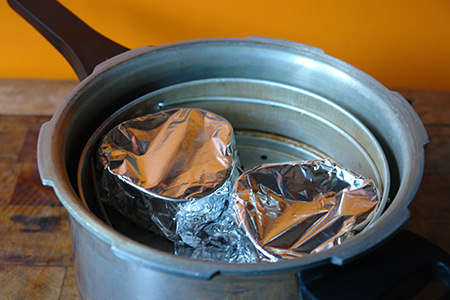
You’re busy. We get it. Between work, family, social life and everything else vying for your attention, finding time to cook healthy, delicious meals can feel like an impossible task. But what if we told you there’s a kitchen appliance that can drastically reduce your cooking time and effort, without sacrificing flavour or nutrition? That appliance is the pressure cooker.
Pressure cookers have evolved far beyond your grandmother’s clunky contraptions. Modern pressure cookers are sleek, user-friendly and incredibly versatile. They utilise steam pressure to cook food much faster than traditional methods, resulting in tender meats, perfectly cooked vegetables and a significant reduction in your overall cooking time. This means more time for you, and less time slaving away in the kitchen.
But the benefits extend far beyond mere convenience. Pressure cooker meals offer several compelling advantages:
- Time savings: You’ll be amazed at how quickly you can prepare complete meals. A stew that may take hours on the stove top can be ready in under an hour using a pressure cooker. This is especially beneficial for weeknight dinners when you’re short on time.
- Nutrient retention: Because pressure-cooking requires less water and shorter cooking times, it helps preserve the valuable vitamins and minerals in your food. Unlike boiling or steaming, which can leach nutrients into the water, pressure-cooking locks in those essential nutrients, resulting in a healthier meal.
- Flavour enhancement: The pressurised environment helps to intensify the flavours of your ingredients. Meats become incredibly tender, and vegetables retain their vibrant colour and taste. The steam also helps to infuse the food with its own natural juices, creating a richer, more flavourful dish.
- Energy efficiency: While initial pressure build-up requires energy, once pressure is achieved, the cooker maintains a stable temperature, often using less energy overall compared to conventional cooking methods like simmering or boiling for extended periods.
- Versatility: Modern pressure cookers are not simply pressure cookers; they’re multi-functional appliances. Many models offer settings for sautéing, steaming, slow cooking and even making yogurt. This all-in-one functionality saves valuable counter-top space and streamlines your cooking process.
Getting started with pressure-cooking
While the technology might seem intimidating, using a pressure cooker is surprisingly straightforward. Most models feature intuitive controls and pre-programmed settings for various types of food. Here are a few tips to get you started:
- Read the manual: Before using your pressure cooker for the first time, carefully read the manufacturer’s instructions. Understanding the safety features and proper operation is crucial.
- Start with simple recipes: Begin with easy recipes to build your confidence and familiarise yourself with the cooking time and pressure release techniques.
- Master the pressure release: Understanding the difference between natural pressure release (NPR) and fast pressure release (FPR) is essential. NPR is generally recommended for dishes with tougher cuts of meat, while FPR is suitable for vegetables and other more delicate ingredients.
- Experiment with flavours: Don’t be afraid to experiment with different herbs, spices and ingredients to create your own signature dishes. The pressure cooker is a fantastic platform for culinary creativity.
Frequently asked questions (FAQs):
- Is a pressure cooker safe? Modern pressure cookers incorporate numerous safety features, including automatic pressure release valves and safety locks. When used correctly, they are very safe.
- Can I cook everything in a pressure cooker? While pressure-cooking is suitable for a wide variety of foods, some delicate items like leafy greens might not be ideal. It’s always best to consult a recipe before attempting to cook something new in your pressure cooker.
- How do I clean my pressure cooker? Most pressure cookers have removable parts that are dishwasher safe. The inner pot should be hand-washed, but this is generally quick and easy.
- What are some great pressure cooker recipes to try? There are countless recipes available online and in cookbooks specifically designed for pressure cookers. Start by searching for recipes for things you already enjoy, like stews, soups or even rice.
In conclusion, embracing the pressure cooker is an investment in your time, health and culinary creativity. It empowers you to prepare nutritious, flavourful meals quickly and efficiently, freeing up your valuable time for the things that truly matter. So, why not take the plunge? Your taste buds (and your schedule) will thank you.