The pros and cons of converting your garage

The pros and cons of converting your garagecredit

Lots of people like the idea of converting their garage into a functional space and potentially adding some value to their homes. However, it’s vital that you research the process and understand all the ins and outs before pushing ahead. Garage conversions don’t always produce the desired results, and that’s because some home-owners take the hit and hope approach. That’s never sensible, and the information on this page should help to set the record straight. You’ll find a list of the pros and cons below, and they should ensure you leave no stone unturned and always make the right decisions. With that in mind, let’s get started!

The pros of converting your garage

There’s no getting away from the fact that converting your garage should mean you have more usable floor space in your home. You could use the extra room as a home office, games area, or guest space. There are no limits to what you can achieve. Converting a structure that is already standing sturdy is much easier and cheaper than building an extension. So, if you have to choose between those two options; it always makes sense to work towards a conversion instead.

Converting your garage will also add value to the property and encourage potential buyers in the future to make better offers. People are always going to pay more for a house with five bedrooms than they are for a home with only four. You get the idea, right? Working towards a garage conversion might require a lot of hard work, but the price of materials is minimal, and you can reduce the costs dramatically if you take the DIY approach according to https://www.diydoctor.org.uk/projects/garage.htm and other sites. Of course, you’ll need to check how that affects your home insurance before pushing ahead.

Bedroom conversion

The cons of converting your garage

Just as there are many positive outcomes when you choose to convert your garage; there might be a few adverse ones too. For instance, there are situations in which you might have to apply for permission from your local authority. That is especially the case if you will change the exterior of the structure in any way. Your neighbours might have to give their permission for the work too. However, with a decent lawyer or architect in your corner; it is possible to overcome all those hurdles.

Contrary to popular belief; you don’t have to convert the entire garage. You could build a false wall and leave around six feet for storage. That would mean you can still keep your garage door or buy a new one from sites like https://www.vps247.co.uk/garage-doors. When you decide to sell your home; having clean and fresh doors always helps to add some curb appeal. However, there’s a problem. If you convert the entire garage and turn it into a spare bedroom or office; you’ll lose all of that storage space. Unless you have a massive shed in your garden, that could become an issue. You’ll also have to install some windows.

The procedure you need to follow

If you decide that converting your garage is the best option on the table; you need to follow the process outlined below to ensure you work within the law and avoid getting into trouble further down the line.

  • Work out what you want to do with the garage and how you want to use it.
  • Get in touch with your local authority to find out if you need to apply for permission or not.
  • Contact local tradespeople and ask them to come and give you a quote for the work.
  • Search online to see if it is possible for you to reduce the cost of materials.
  • Call real estate agents and ask them to come and value your property.
  • Instruct the tradespeople to start work.
  • Ask a safety expert to come and assess the structure.
  • Call the real estate agents and ask for a new valuation that includes your conversion.

People who follow that procedure will stand the best chance of making sure their garage conversion works in their favour.

Now you’ve come to the end of this post; you should have all the information you require to make an informed decision about whether or not to push ahead with your garage conversion. You are the only person who can make that decision, and you should never rush into anything. Take the time to talk about the idea with your family, discuss the pros and cons together, and then attempt to reach an agreement. In most instances, it’s possible to convert a garage into a functional living space in less than a week.

[disclosure*]

How to refresh your out-dated home and be proud of it

How to refresh your out-dated home and be proud of it

When we’re proud of who we are, we reflect in the space we live in. When we’re proud of the home we’ve built for ourselves, we feel at home. Homes, however, require constant maintenance. It’s hard! When wear is starting to show in your home, it’s time to consider some easy DIY projects. When your windows or your doors are rotting and in disrepair, you need to reinvest in your home for more than just its kerb appeal. Your home means so much to you. Put a little love back into it (and maybe save some money in the long run).

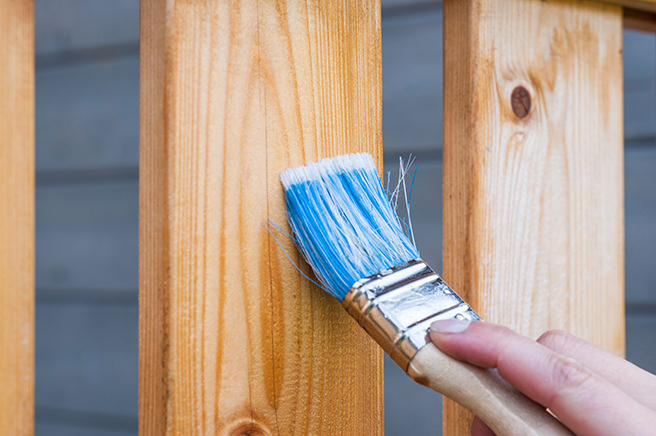
Painting wood

Repainting

Nothing is a better instant fix than a fresh coat of paint. If your home has beautiful features like wood or brick that you absolutely do not want to paint over, a good power wash is the way to go. For wood, however, remember that unless you treat and take care of it, it will rot. Constant upkeep is an absolute must! In most cases, however, especially if your home or fence was already painted, a fresh, clean coat of paint will instantly brighten the look and feel of your exterior.

Tip: Ce sure to fill holes, fix cracks and other sources of disrepair before you paint!

Brass dolphin knocker on a bright blue door

Installing new fixtures

Rusting fixtures, or even just out-dated ones, can really bring down the look and feel of your home. Installing a uniform set of doorknobs, door knockers, and outside lights will really make your home look like new. Having a set of fixtures (meaning they all look similar, or are sold as a set) will make your home look like a professional did the job!

Cream room with light streaming through a window

Install new windows and doors

Single glazed windows and doors that let a draught in are often not only a bit old and sad looking, they can also cost you a lot. Updating them is an absolute must! This investment can save on heating bills in the long run, too, so over time, your investment will have paid for itself! Choose energy-efficient doors and windows, and find the right scaffolding equipment and installation team for you. Sourcing a lot of the materials yourself, instead of through a builder, is a great way to save money (if you have the time to find the best deals). Just make sure that everything is to the correct specifications!

Watering plants in a garden

Landscape your garden

Nothing will make you feel more relaxed and at home than having a perfect getaway in your back garden. Fixing the cracks and getting rid of the weeds between paving is a quick and easy way to make your garden look well cared for. Replace any dead or sad-looking plants with architectural or flowering plants for a new look!

Tip: Buy flowering plants that will bloom throughout the year, so you’ll always have colour and interest!

Being proud of your home is something for which to strive. It means coming home and loving the feel of it. Keeping your home fresh and updated is how you’ll continue to be proud of your home throughout your life.

[disclosure*]

What should you do if you hit a gas main while digging?

What should you do if you hit a gas main while digging?credit

Modern life has made construction difficult. Digging on your own property used to be a simple task that just involved a couple of tools and some physical labour. These days, there’s an entire world of pipes, wires, lines and cables criss-crossing the land – all waiting to get in your way once you break ground.

The field of utility mapping has become very successful, helping people figure out just what is under their property, so that digging and construction can be done safely.

While cutting the cable line is an inconvenience, damaging a gas main is a serious hazard. Once there’s a gas leak, even the tiniest spark can cause a dangerous explosion. Keeping that in mind, what should you do if you hit a gas main?

garden spade in the ground

Start with prevention

The best first step is to avoid the whole problem to begin with by accurately determining what is underground at your dig site. You can either call your various utilities and get as much information from them as you can, or use your region’s “call before you dig” service (which is typically free). The service should cover all the utilities, so it’s a more efficient approach.

Most of these services will check with their records to determine precisely what is (or isn’t) beneath your property. Even though we’re talking solely about gas pipes here, it’s good to get full info on all possible obstacles. For a more direct view of what’s underground, to cover all the bases and to include things that may not be on record, hire a company to do a mapping with ground-penetrating radar.

Be warned, many places will hold you liable if you do dig and hit a utility without having called the service for guidance beforehand.

mini-digger clearing pile of bricks

You’ve hit the gas main

Even with all your planning, accidents can still happen. If you hit a gas line, you should immediately evacuate everyone out of the area. Clear out an area of at least 100 feet, and turn off all power equipment in the same range. That means electrical as well as any gas-powered machines. Battery-powered flashlights or task lights should also be off. Any slight spark can ignite the gas.

Don’t base your actions on whether you can smell any gas. Though natural gas should have an odour, a small leak may be undetectable outdoors, and will continue to seep gas as you work.

Once you’ve cleared the area, call the gas company emergency line. Be clear that you think you’ve hit a gas pipe, and they’ll let you know what to do next. They can likely clarify that the pipe is indeed a gas main (if you aren’t positive), and they’ll send out a professional crew to deal with it.

If you haven’t called the dig safety line beforehand, don’t let that stop you from calling. Fear of litigation or fines shouldn’t prevent you from doing the right thing and reporting the damage. The risks of fire or explosion are too serious for any hesitation.

[disclosure*]


5 things you should know BEFORE installing underfloor heating

Aerial view of a sofa on a wooden floor

Wave goodbye to radiators and hello to more space and a warm home for less! Underfloor heating is a great choice and if you’re thinking of taking the leap to luxurious warm floors, these are the five things you need to know…

#1 It provides a constant temperature across the home or in individual rooms

Feet in orange & blue spotted socks on a wooden floor

The great thing about underfloor heating is its flexibility. Therefore, it sometimes pays to spend the extra money to get a professional supplier and installation company to not only fit the system but design it for you in the first place.

With central heating, the boiler fires up and sends heat through to all the radiators on the system, unless you switch the radiators off in certain rooms (if you can) or lower the temperature of the radiator with its thermostatic valve. Radiators Online is somewhere to go to find out more.

This gives you some flexibility, but not a lot. Underfloor heating is completely different. You can create single zone underfloor heating areas so that the important rooms in the house are heated when you need them to be but other rooms can enjoy a lower level of heat.

The ability to control your heating at every point of day and night means you save money as well as having a more comfortably heated home.

#2 It’s best fitted with high thermal conductivity flooring

Child playing with a toy digger on a wooden floor

Sounds a mouthful, doesn’t it?! But what does it mean?

It means to get the best from your underfloor heating system, you need a top layer of flooring that’s incredibly efficient in grabbing hold of the heat and keeping hold of it.

This means the system doesn’t need to work as hard. There are many flooring options – wood, laminate, ceramic tile, polished concrete and carpet – that work well with underfloor heating.

It’s true to say that some options work better than others. Polished concrete floors are a great conductor and retainer of heat. Ceramic tiles also work well and some wood flooring solutions are also a great fit.

It’s possible to use carpet but it must be of a low TOG rating to allow heat through it and into the room. However, even then, it’s not so great at hanging on to the heat.

#3 A smart thermostat adds more flexibility & sophistication

Nest smart thermostat

Although we think of underfloor heating as a modern invention, it’s been around for some time. The Romans used ‘fire under the floor’ to heat their bath houses.

Modern day underfloor heating is more sophisticated and flexible but to get even more out of the system, a smart thermostat is a must.

If you have a multi-zone system, you can set different temperatures in different rooms with a few taps of your smart phone – and alter it throughout the day.

Underfloor heating response time is slower than the boiler and radiator approach but that doesn’t mean it’s at a disadvantage. It just means that you plan your heating to fit with your activities from day to day. For that, you need the tools to set the heat of the system as and when.

#4 Correct installation is key

High-gloss kitchen floor
That’s why getting a professional and expert in all thing underfloor heating should install your system, even if they don’t design it.

Wet or water underfloor heating works by a series of pipe loops being laid in the sub floor and hot water circulating through them to heat the floor.

It’s an incredibly simple, yet effective system. But, this doesn’t mean that things can’t go wrong when it’s being installed. Discovering that you have a leaking pipe when you’ve already laid the floor isn’t the opportune time to try and repair it.

All wet underfloor heating systems should be pressure tested BEFORE you start pouring high conductivity screed or laying insulation boards to protect the pipes. Once laid, the system will function without a hitch for years to come.

#5 Underfloor heating is a system that you’ll love!

Kitchen diner with wooden floorboard floor

Underfloor heating isn’t for everyone. If you like dry, hot heat that leaves your house stuffy, then underfloor heating isn’t for you.

If you prefer an ambient, constant temperature, as well as a luxuriously warm floor underfoot, then underfloor heating is for you.

However, you’ll need to have some patience. With some installation processes, the screed must dry thoroughly before the heat can be switched on because if you dry out liquid concrete too quickly it cracks. That means the floor isn’t as structurally sound as it should be, leading to problems further down the line. In other words, you may have to wait a week or two before the big switch on.

Underfloor heating suits any property and isn’t as expensive to fit as you’d think either. A proven technology, more and more people are realising the benefits of underfloor heating – why not you?

Underfloor Heating Trade Supplies understands the simplicity of underfloor heating but the amazing benefits it brings to any space, from a single room in a home to multi-zone systems in commercial premises.

[disclosure*]