The hidden costs of renting out your second property

The hidden costs of renting out your second property | H is for Home

When you have the funds to invest in a second property, it can be incredibly exciting. You now have a second home to decorate and keep in line with the latest trends. However, many people invest in a second property not to live in but to rent out in order to make an additional income. This can be very profitable but there are some hidden costs that you need to be aware of before splashing out. This is why a lot of people consider hiring Southsea Letting Agents to manage everything.

To prove this to you, we thought we’d look at some of the hidden costs involved in renting out your second property. Read on to hear more about this.

Property management

Managing the property

Some landlords are active and will manage the property by themselves. Of course, if you’re hoping to make this into a side hustle with very little input from yourself, you might want to find a letting agent to manage the property. While this can be useful, it can also be very expensive as they’ll deal with finding tenants, organising repairs and more. Make sure to think carefully about the cost of having your property professionally managed. You can also have a look at things such as inventory checks as a cheaper alternative. 

Rent spelt out on a calculator LED

Keeping it furnished

If you have already been living in your second property, you might have already furnished it. But, is this furniture suitable for tenants or would you rather include some other furniture? Furnishing a property is never going to be cheap and so you need to account for this cost before you rent it out to a new tenant. On top of that, you’ll need to replace any broken furniture, and this is going to increase the cost.

House safety

Safety first

Many landlords get into the property market because they think that it will be an easy way to make an additional income. However, the government has put many rules and regulations in place to make renting safer for tenants. For this reason, you’ll need to make sure that the property is safe to live in and that you have the documentation to back it up.

For example, you’ll need to get an electrical certificate which you can book at electricalsafetycertificate.co.uk which is a government endorsed website. Their reports will showcase that your property is safe to live in and that you’re following government guidance. While companies like this one offer a cost-effective service, you’ll still need to account for this cost.

Legal fees

Legal fees

Finally, you should know that there are more legal fees involved in renting out your second property than you might realise. You’ll need to pay for the creation of a tenancy agreement, and you’ll need to enter a safe deposit scheme which is required by law. Other legal fees involve obtaining an energy certificate and potentially setting up a limited company. Make sure that you can cover all these costs.

Miniature house with key

Get started

While there are many hidden costs involved with renting out your second property, you can make a lot of money if you do it right. Make sure that you’re adhering to any laws set out for landlords if you want to make this a sustainable project. Hopefully, you’ll be able to cover the costs and get that money back over time.

[disclosure*]

4 tips for landlords decorating their rental property

4 tips for landlords decorating their rental property | H is for Home

You may have moved in with your partner, inherited a house from a family member or invested in a buy-to-let property. However you arrived at the position of having a spare house, it would be advantageous financially to make the property work for you. If you decide to let it out to provide you with an income, there are a few practical things that you, as a landlord, need to consider when decorating your rental property.

Sitting room decorated with white walls and neutral coloured furniture

Keep it neutral

Paint the walls the same colour throughout – easier to touch up when the tenant moves out. You can buy decorator’s sized tubs of magnolia, brilliant white or similar. This is particularly economical and time-saving if you have more than one rental property – you can decorate them all in the same colour and brand of paint. Not only is a simple, neutral interior good for a landlord, potential tenants would rather move into a house or flat that is bright and light with a fresh lick of paint.

Similarly, if you’re renovating the bathroom, a plain white bath suite and plain white tiles are not only more economical, they’ll be preferable to a renter too.

Laying a laminate floor

Make it hard-wearing

Landlords should be realistic and expect some degree of wear & tear on their property. This is especially so if the house will be lived in by students or children.

Lay vinyl or wood-effect laminate flooring in heavy traffic areas such as hallways and kitchens. In bedrooms and sitting rooms, install carpets that are stain repellent and are easy to clean. Where possible, choose paint for walls and doors that is scuff-resistant and can be easily cleaned with hot soapy water.

Unless you’ll be leasing out a luxury apartment or manor house, don’t leave any furniture, fittings or accessories that are of considerable worth or have sentimental value. Just think, is it worth the risk of them getting damaged or destroyed?

Checking a fuse box

Ensure it’s safe

There are stringent health and safety regulations that you need to adhere to when you let a property. Avoid the possibility of gas leaks, faulty electrical wiring and other fire hazards. Install smoke and carbon monoxide alarms and regularly check that they are in working order. Ensure that any electrical appliances provided such as kettles, toasters and microwaves have been PAT tested.

Fitting something as cheap and simple as anti-overflow sink and bath plugs will avert leaks that can lead to costly repairs. stairs/bannisters

Also, be security-aware – check that locks on doors and windows of the house, garage or out-buildings are secure and comply with your insurance policy. Check here to compare landlord insurance plans.

Flat-pack furniture

Make it practical

Will your property be marketed to potential tenants as furnished or unfurnished? If it’s to be the former, provide simple, economical yet robust furniture. Invest in flat-pack beds, tables & chairs and storage solutions from retailers such as IKEA, Argos and Habitat. Opt for a sofa or suite with removable covers that can be removed and laundered. When buying mattresses, spend a little extra and include mattress protectors.

Remember to provide basic details and practical items such as kettle, toaster, cutlery, tin opener, shower curtain and ironing board. Related to this, it’s important to conduct a thorough stock take prior to the tenant moving in; it will avert problems when it comes to their moving out day.

[disclosure*]

Getting your deposit back

Getting your deposit back | H is for Home

Most young people today rent the homes that they live in. Very few of us can afford to buy as soon as we’re ready to live without our parents, and for many, renting is the only option if they want to live with a partner or friend, move closer to work, live in a new location or gain some independence. Many of us rent more than once, moving from short-term rental to short-term rental until we’re able to settle.

Renting gets a bad reputation, but it’s not all bad. It’s a great way to live more flexibly. You’re not stuck with a long-term financial commitment, and you can move on when you are ready. You don’t have to be responsible for repairs and maintenance, and your landlord is ultimately responsible for the safety of your home. It can be ideal for many.

However, that financial freedom doesn’t mean that renting is cheap. Most landlords will ask for a security deposit or bond when you move in, as well as a month’s rent upfront. This can be a substantial amount of money and is certainly a fee that you’ll want to get back if you ever leave, especially if you need to pay another deposit and lot of rent on the home that you are moving into.

These deposits are taken to ensure that the home is returned in good condition. Any repairs or other work needed will be taken out of your deposit when you move out, decreasing the amount that you will get back. While fair wear and tear are allowed, if your landlord needs to hire a cleaner or repairman (they won’t do it themselves to save you money!), you can suddenly find that most of it has gone. So, what can you do to make sure you’ll be getting your deposit back when you move?

Perform a full inspection before moving in

Perform a full inspection before moving in

Your landlord will compare the state of the property when you moved in, to how it looks when you leave. If something was broken when you moved in, it’s certainly not your responsibility to fix it or to lose money from your bond because of it.

Don’t trust your landlord to be thorough. Before you move in, perform your own inspection, making notes and taking photos of all of the rooms and any damage or unclean areas. Send a copy to your landlord and keep a copy for your own notes.

Report any issues during your tenancy

Report any issues during your tenancy

If there’s a problem with your home during your tenancy, report it to your landlord as soon as you can. It’s their job to fix it, as long as it wasn’t your fault, but they can only do this if they know about it. If you fail to tell them, you may be charged for the repairs when you leave.

Keep a little spare paint

Keep a little spare paint

You could lose money from your deposit for something as small as an oily mark, where you’ve stuck a poster to a wall, or a mark from dirty fingers. Keep a spare tin of paint, and touch up before you leave. You may need to quickly paint a full wall to keep it even, but it will be substantially cheaper to do it yourself.

Get handy with some filler

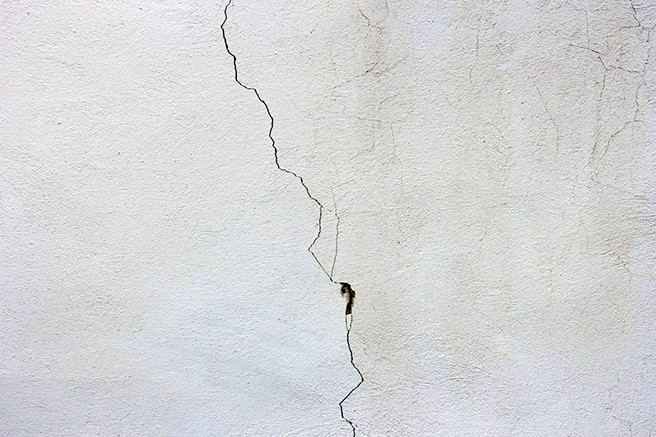
You might worry about holes that you might have made with picture hooks, or by securing large furniture to walls, which is, of course, essential if you have young children. But, this isn’t usually cause for concern. If you remove any nails or plugs from the wall, you’ll probably be able to fill it yourself with a little filler from your local hardware store. Then, gently sand it down and add a lick of paint to finish. Good as new!

Invite your landlord round when you decide to move

Invite your landlord round when you decide to move

When you decide that you want to move, it can be a good idea to invite your landlord around for a preliminary, off-the-record inspection. They might give you some ideas of things that you should do before you leave, giving you a great head start.

Hire a cleaning team

Hire a cleaning team

You might think that your cleaning standards are pretty high. But, if you don’t leave the property in a condition that someone new could move into, your landlord may decide to hire a cleaner or cleaning team and take their fee out of your deposit.

It can be easier to hire an End of Tenancy Cleaning service yourself. You might get a better price, and at least you have peace of mind. Just make sure you keep a record of the cleaner that you’ve used, in case your landlord tries to charge for further cleaning services.

Read your tenancy agreement thoroughly

Read your tenancy agreement thoroughly

One of the best things that you can do is read your tenancy agreement thoroughly. Do this before you sign it, so that you know if there are any restrictions, and ask your landlord if there is anything that you are unsure about. Then, reread it before you move out so that you know what is included in fair wear and tear, and what you might need to do before you leave.

Keep cleaning to a high standard

Keep cleaning to a high standard

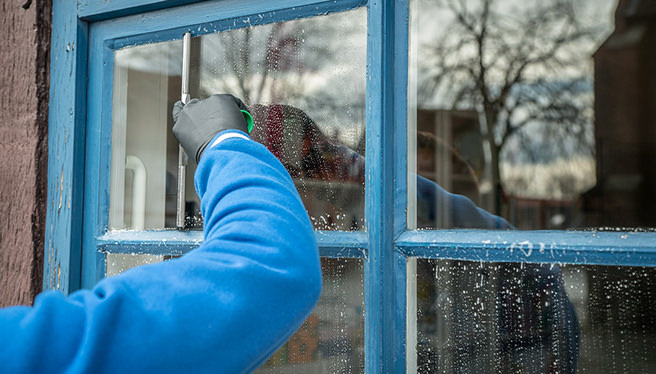
To make things easier, keep your cleaning efforts to a high standard throughout your tenancy. Clean regularly, and make sure things like your oven and windows are cleaned often.

Don't be defeated by damp or mouldcredit

Don’t be defeated by damp or mould

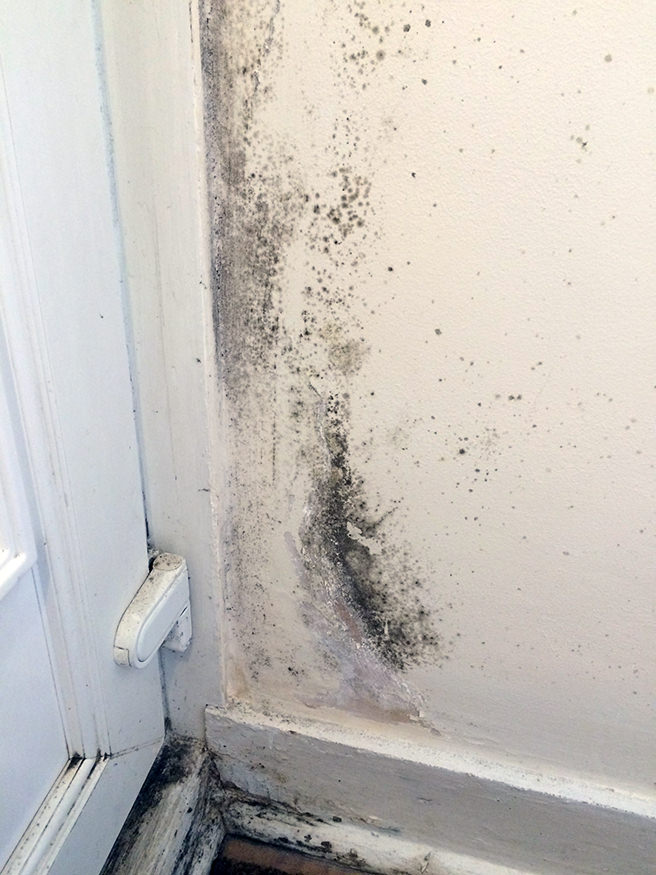
Damp can grow easily, spread quickly, and be hard to remove. We often find patches when we move furniture away from walls, and it is common in humid rooms like your bathroom and kitchen. Get into good habits, like opening windows when you shower and turning on extractor fans, and the risk of mould and damp is much lower. If you do find a patch, treat it quickly before it has a chance to spread.

Don’t leave anything behind

You might not think that leaving a few things behind will matter. But, if your landlord has to pay for any removals, however small, you will foot the bill.

Question any issuescredit

Question any issues

If your landlord takes money from your deposit, ask why and question anything which you think may be unfair.

[disclosure*]

Get their look: Dramatic rental property

Dramatic rental propertycredit

This striking rental property is the home of Northumberland-based stylist and blogger, Kerry Lockwood and her family. If you were of the impression that being a renter meant forgoing a beautiful home, then this fabulous place can certainly change that. We know that it’s not always easy (or even possible) to convince landlords to allow changes, but if it is, then the before and after photos of Kerry’s home should provide real inspiration.

This living room is filled with natural light from a large bay window. The dark walls provide a real sense of drama both day and night – and are a perfect backdrop for her collection of artwork. Furniture, accessories and textiles layer natural tones and there’s a shimmer of metallic here and there. It looks like a comfortable, relaxed home – and very lovely indeed.

  1. Bellenger ‘simple pratique élégant favor’ reproduction poster
  2. Kate Moss ‘Life is a Joke’ photographic print
  3. ‘On air’ light box
  4. Nadadora glicée print by Blanca Gomez
  5. Farrow & Ball ‘Stiffly Blue’
  6. Dark grey Egg chair by Arne Jacobsen
  7. Original 1227 giant floor lamp by Anglepoise
  8. John Lewis Ikon large 3-seater sofa
  9. STOCKHOLM handmade/striped black/off-white mat

Click here to see more of our ‘Get their look‘ features.

Get their look: Dramatic rental property | H is for Home