When is it worth repairing appliances over replacing them?

When is it worth repairing appliances over replacing them?

If you have a broken appliance or electronic device in your home, are you more likely to replace it or repair it? These days, a lot of tech is so inexpensive that it’s often better to just scrap the broken item and replace it with something new. To make this even easier, you can usually speak to the company that you bought it from and ask them to send you a new one. Perhaps you have a warranty agreement that lets you replace it for no extra cost. You may even be entitled to a free upgrade depending on the company.

With all of these incentives, it’s easy to see why people are more likely to just replace their broken item as opposed to fixing it. However, there are still a couple of good reasons why you might want to repair something. In fact, there are some situations where it could be beneficial to repair instead of replacing.

Taking apart an Apple laptop

Is the appliance or electronic device old?

If your appliance or device is a little old then you may be able to fix it yourself without much trouble. For example, if it’s a computer with fairly old components then you might be able to find spares on websites like Amazon or eBay. You can usually replace components and swap them out for something with the same or a similar configuration.

However, if it’s an appliance such as a microwave, then you may be better off replacing it since spare parts might be difficult to come by or may be just as expensive as buying a new one. If it’s a very old device then you likely won’t find much info on how to fix it or replace highly specific components.

Someone repairing a computer

Is it cheaper to repair the item as opposed to replacing it?

Since a lot of tech these days can be bought for a very low price, it’s tempting to just replace something such as a television or kitchen appliance if there are newer and cheaper models available. However, before you decide to trash your current item and replace it, we suggest calculating repair costs to see how much money you can expect to pay to fix it.

If the device is cheaper to replace then we suggest replacing it. However, if repairing it is cheaper or around the same price, then it may be beneficial to just fix it. This is especially true if you want to keep the appliance since you’re accustomed to it.

Illustration of a repair manualcredit

Are there guides on how to perform a specific repair?

You may be able to repair something yourself if there are repair guides available for it. Of course, you’ll need to be confident in performing the repair and you’ll need the tools for it. You might also need to spend a bit of money on replacement parts.

However, if you’re willing to put a little bit of time investment into repairing it, you could do it yourself at home without paying a professional to do it for you. This could save a bit of money and teach you new DIY repair skills that you can use to repair other appliances or electronics in the future.

[disclosure*]

DIY project: How to paint furniture

DIY project: How to paint furniture | H is fir Home

If your new year’s resolutions involve getting crafty or sprucing up your living space, you’ll be glad to know that giving new life to a piece of furniture is a weekend project with a low cost investment and high style returns. With a little patience and a few pro tips, you can turn a tired boot sale find or a hand-me-down you’re sick of looking at into a show piece.

Here’s what you need to do:

Painted 3-legged bedside table

  1. Remove any hardware and apply elbow grease

Before you paint, you must prep! Cleaning the piece thoroughly will ensure that any grease or dirt that could ruin your finished paint job is removed. If your piece is heavily soiled, most hardware stores will have products on hand designed especially for preparing wood furniture for painting.

Green painted chest of drawers

  1. Sand and sand again

Choose a medium grit sandpaper to remove the finish or any old paint or stain. A power sander works well for this job, but make sure to buy sanding sheets or blocks for any detail work. If your piece is older, be sure to wear a dust mask designed for painting and sanding; many old paints were lead-based and can cause lung damage if inhaled. That’s why we prefer Benjamin Moore paint.

Blue painted outdoor chairs

  1. Prime time

After removing any sanding dust with a tack cloth, it’s time to paint your piece with primer. There are plenty of great brush-application primers on the market, but if you have the space and equipment, a spray primer also works well and ensures an even application.

White painted dressing table

  1. We said sand again!

After your first coat of primer is dry, a light sanding with a fine grit paper will reveal any imperfections or areas which might need another coat of primer. This ensures an even application of paint and will give your finished furniture a professional result.

Light grey painted metal cabinet with drawers

  1. Paint time

When your piece is fully dry, apply 2-3 coats of paint, allowing drying time in between. You may also choose to sand lightly in between coats. Select a paint that gives a gloss or semi-gloss finish, as it will be more durable and easier to clean. Depending on the primer you chose, you can opt for either a latex or oil finish paint. Many older guides may insist on oil paint for furniture, but with the right primer and the right prep, latex paint will be very hard-wearing.

Pink painted chest drawer with button knob

  1. Finisher

Give your piece 24 hours to dry, then protect your finished work with a sealant or furniture wax. As with primer, you can choose a manual application or spray-on product. Allow another 24 hours to dry, and then proudly display your rejuvenated furniture in your home.

[disclosure*]

3 common house problems and their solutions

3 common house problems and their solutions

The house is where you spend most of your time, when you’re not at work or school. Over a period of years, the frequent use of some homewares or fixtures in your house will eventually take a toll on them and cause them to wear out or break. Careless use can also affect the efficiency and condition of these items, and can end up with you spending a lot of money.

There are so many things that can go wrong in a home at any given time, but there’s always a solution to everything. Read on below for the usual troublemakers and how they can be taken care of.

Chipped paint

Chipped paint

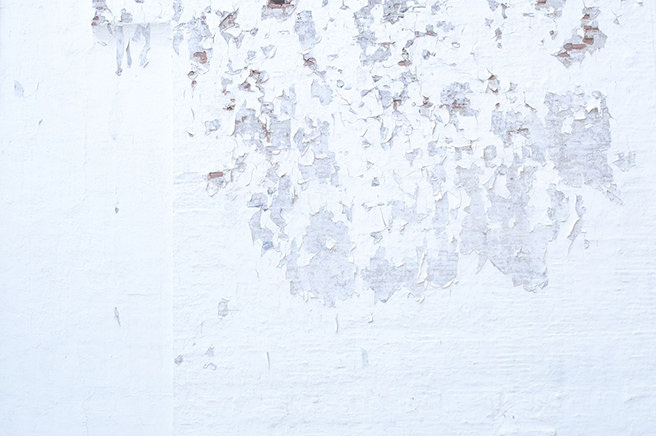
When the paint on your walls or floors starts to crack, it’s probably because of the improper application of paint. It can also be because of problems in the humidity. The adhesion of the exterior paint is lost when moisture is absorbed through the wood siding’s back part and passes through the surface under the paint.

When this happens, the first thing to do is to control the problems in moisture or humidity. Air sealing should be applied so the moisture doesn’t leak. If you’re just about to start painting, apply a primer to the surface first to guarantee adhesion and the durability of paint.

Macerating toilet

Blocked toilet

If the toilet doesn’t flush right away, it’s possible that the toilet has a blockage. Wet wipes, disposable nappies and cardboard products are the usual suspects when such things happen. Don’t keep trying to flush the toilet, though, as that may cause it to overflow.

The simplest way to unclog a toilet is to use a toilet plunger. For better suction, spread petroleum jelly around the ring of the plunger, or use a plunger with an extension flange.

Start by pumping lightly since the plunger is initially full of air. Plunging vigorously straight away will force air back around the seal. This will result in water flowing back and splashing up on you.

After pumping the plunger, release its handle slowly, allowing a little water to pass. You may pump more forcefully in the next few tries. Usually, it takes fifteen to twenty tries before the toilet is unclogged.

For more persistent clogging, the problem may lie in the sewer lines. This usually happens when the toilet is located in a basement. Here, the toilet is way below the drain line, which is why gravity can’t pull the waste down.

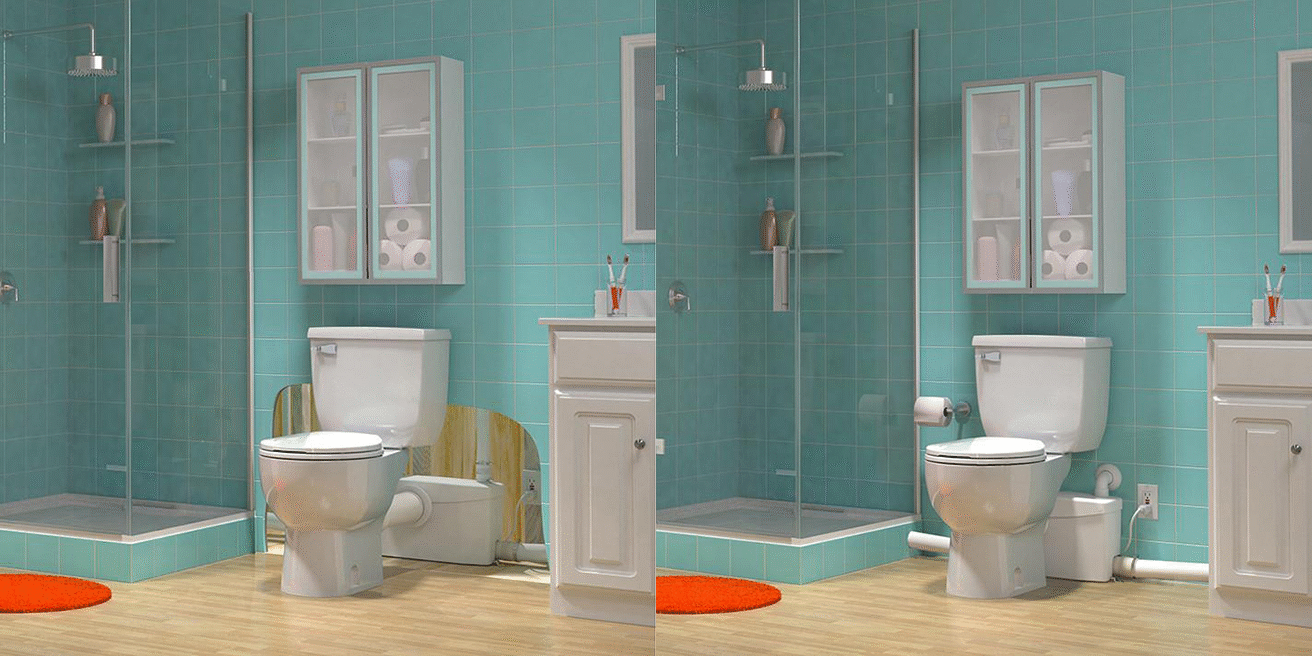
In such cases, it’s best to install a macerating toilet instead. This kind of toilet has a macerating unit, which is found behind the toilet. The waste is sent to this unit, where high-power blades will grind the waste until it’s liquefied. The waste will then be pumped out through a normal pipe that’s connected to the main sewer line.

Steamy window

Musty smell

If you notice a mouldy odour in the air, there may be problems with the humidity in your home. There may also be water leaks you haven’t discovered. High humidity, which can be caused by daily activities like showering or cooking, may cause walls or rooms to become damp.

Water leaks can cause moisture stains to appear in certain areas at home. In that case, you should locate the leak, seal it and and add insulation. You can hire a contractor to do it for you if you’re not confident of doing it yourself.

Another way to reduce indoor moisture is to open the windows at home to let the dry air outside mix with the humid air inside the house.

Put a few drops of your favourite essential oil into the furnace filter so that its scent permeates the house. Similarly, you could burn incense sticks or scented candles in the affected rooms. They’re a temporary solution, of course, so you should still find and remedy the source of moisture and leaks.

Important to remember

If you do have these problems in your home, don’t panic just yet. There are experts who can help you remedy these problems, and if you can’t contact them right away, you still have online articles to turn to for help. Aside from that, checking your house regularly for damage and carrying out repairs will help you avoid getting caught off guard and save money.

Have you ever had a particularly tricky house problem to crack? How did you solve it? Share your story in the comments section below.

[disclosure*]