How to make your home more eco-friendly next year

How to make your home more eco-friendly next yearcredit

We all know that we only get one earth and that it’s important to take care of it. Even if you feel like you can’t make a difference because you’re just one person, the truth is that a few small changes can have a big impact.

It can be intimidating trying to work out where to begin when it comes to helping the planet. As with most things, it’s best to start at home. There are lots of ways to make your home more eco-friendly, and it’s never too soon to start, so why not make it a new year’s resolution to try some of these tips?
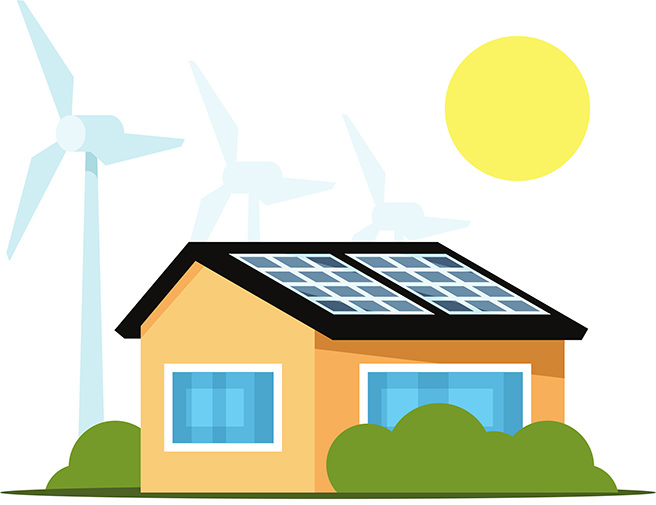
Illustration of a house running on alternative energy

Use alternative sources of energy

Reducing your carbon footprint is one of the best ways to make your home more eco-friendly. And one way of doing this is to use less gas & electricity.

There are small ways to do this, such as switching the lights off when you leave a room and turning the thermostat down a couple of degrees, but if you’re looking to make a bigger difference, switching over to alternative and clean sources of energy is the way to go.

Solar panels are a popular form of renewable energy that can save you money and also make your home more eco-friendly. There are many questions that people have about solar panels. How much do they cost? Are they worth it? How long will a 200w solar panel take to charge a battery? Doing your research on solar panels before committing to them is therefore incredibly important.
Illustration for saving water at home

Use less water

Of course, we all need to use water every single day for various things. We drink it, we use it to clean our homes and we also use it when we shower or have a bath.

That being said, many people tend to use way too much water, simply because they don’t know how to use less. There are obvious things, like turning off the tap while brushing your teeth and taking shorter showers.

There are also other smart ways to reduce your water usage, such as reusing the bath water to water your plants or getting a water butt to harvest rainwater. For more ways to save water at home, click here. Keep in mind that you probably won’t be able to implement all of these changes at once, so give yourself time to adjust.
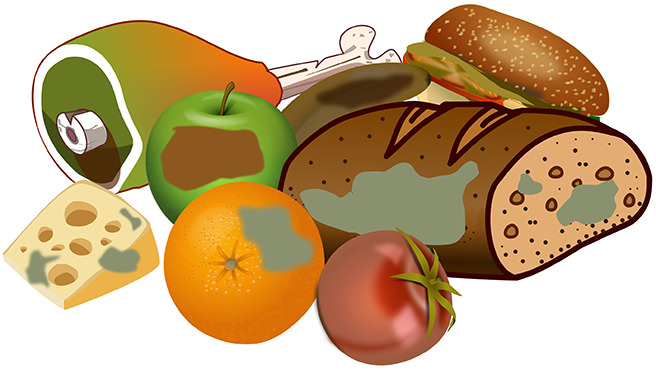
Illustration of rotting food

Waste less

A big problem is that many people are wasteful. So, by reducing waste, you will be helping the planet and making your home more eco-friendly. There are plenty of ways to do this.

You can start by recycling things like paper, plastic, metal and glass. You should also try to lessen your use of single-use plastics.

Another way to reduce waste is to try and use up all of your food before it goes bad. For example, if you have overripe fresh fruit that’s about to rot, you can make fruit pie. You can also start buying more canned and frozen goods at the supermarket since they typically last longer.

If food does go bad, don’t throw it out, but rather compost it. You should also dispose of any other food scraps (except meat, fish and dairy) in your compost.

[disclosure*]

Price Points: Eco-conscious Christmas

Eco-conscious Christmas

There are little things and big things that you can do at home this year to ensure you enjoy a more eco-conscious Christmas.

In previous years on the blog, we’ve recommended green alternatives such as DIY salt dough decorations and making your own natural wreath.

The cheapest option shown above – the wrapping tape – is a simple switch that is easy to make. Unlike the usual clear sticky tape used to wrap Christmas presents, this tape is biodegradable. It can also be added to your recycling – no need to pick through the pile of discarded wrapping and removing the tape before disposing of it in the paper bin.

Crackers are part of most sit-down Christmas Day dinners. Usually, they contain cheap plastic trinkets that are cast-off within nanoseconds of the cracker being pulled. The ones in the montage above are nothing like that. There are three zero-waste versions, my favourite contains a selection of wild-flower seeds.

Christmas dinner leftovers are a huge problem annually. Excess fruit and veg can simply be put on to the compost heap in your garden. The meat, fish, cheese etc shouldn’t be disposed off in this way. That is, unless you make bokashi compost – this set allows you to create just that. Why not make an early new year’s resolution to try to recycle 100% of your organic household waste?

  1. Roll of paper Christmas tape: £3.49
  2. Conscious crackers, 6 pack: £25.00 – £45.00, Conscious Crackers
  3. Biorfe bokashi compost set: £113.92, Etsy

shop eco-conscious Christmas

Some of the links on our blog are affiliate links. We may receive a small commission - at no cost to you - if you click through and make a purchase.
Prices & links correct at time of publication.

Biorfe bokashi compost set
£113.92
Conscious crackers, 6 pack
£25.00-£45.00
Roll of paper Christmas tape
£3.49
Biorfe bokashi compost set
£113.92
Conscious crackers, 6 pack
£25.00-£45.00
Roll of paper Christmas tape
£3.49
Biorfe bokashi compost set
£113.92
Conscious crackers, 6 pack
£25.00-£45.00
Roll of paper Christmas tape
£3.49
Biorfe bokashi compost set
£113.92
Conscious crackers, 6 pack
£25.00-£45.00
Roll of paper Christmas tape
£3.49
Biorfe bokashi compost set
£113.92
Conscious crackers, 6 pack
£25.00-£45.00
Roll of paper Christmas tape
£3.49

Benefits of eco-friendly pest control services

Benefits of eco-friendly pest control servicescredit

Most home-owners and tenants out there have experienced pest infestations at one point or another and we all know just how frightening and annoying a pest infestation can be. Not to mention the potentially extreme health concerns pests can impose on our overall health; from allergies to more serious respiratory conditions.

With that said, whether you’re attempting to tackle a full-on infestation, or you’ve made eye contact with a roach while reaching for a midnight snack in the kitchen, some forms of pest control are inhumane and terrible for the environment.

For this reason, it’s generally best to always opt for eco-friendly pest control solutions which you can find at https://www.biotechtermiteandpest.com/. If you aren’t too sure why you should prioritise eco-friendly pest control solutions over tried & tested traditional methods, we’ve listed some of the top-rated benefits to help you make an informed decision.

Illustration of a dog & cat

Your pets will be safe

The poisons that are used to mitigate rats, mice, roaches and even termite infestations are not suitable for use around household pets. If you want to keep your pets safe from these poisons, eco-friendly solutions are your only option. Your pets could either consume the poison or eat a rodent or pest that has ingested the poison. Unfortunately, in both these scenarios, the results will likely be fatal for your pet.

Illustration of a stethoscope

Your everyday health

If you’re using dangerous commercial poisons to keep pests at bay or to get rid of an infestation from your home, you’ll be routinely inhaling these poisons in tiny doses. The poisons will negatively impact the air quality in and around your home. This can be detrimental to individuals with respiratory conditions, such as asthma and COPD, and allergies.

Illustration of a mouse trap

Avoid inhumane traps

Even though you don’t want pests residing in your home and causing expensive damage to your property, you also don’t want to harm these pests as they all serve crucial functions within the ecosystem and the world around us. As creepy as rats and mice can be, we shouldn’t kill them with inhumane traps. And when it comes to the more adorable range of rodents, such as raccoons and squirrels, there’s no doubt you’d prefer to use humane solutions to keep them out of your home.

Illustration of hands holding up green shoots

Protect the environment

The most prominent reason to rely on eco-friendly pest control solutions is to do your bit towards saving the planet. Killing certain pests will hinder the population, which can have adverse effects on everyone. And using harmful poisons can contribute to a larger carbon footprint and cause soil erosion, air pollution and other issues that we don’t want.

Instead of relying on the traditional means of controlling pests, eco-friendly solutions are safe, effective and harmless to the health of you, your family and your pets. Making a slight change to how you mitigate pests will have a more significant, positive impact on the environment, as every small step towards a more sustainable future count. Once you adopt eco-friendly pest control measures, you should also consider making other minor changes, such as switching to natural cleaning products, to consider the environment.

[disclosure*]

How sustainable modern homes are taking over the world

How sustainable modern homes are taking over the world

In the last 20 years, there’s been a push from government and public sectors for more sustainable options. It’s a trend that won’t go away, due to the current climate issues facing the planet, but also because more consumers are demanding sustainable options.

Green home illustration

More available than ever

It’s only recently that sustainable modern homes have become a possibility. American homes are often mass built, following the same construction techniques and floor plans.

Due to technological advancements and discoveries, as well as government initiatives to go green, new homes are now expected to be more sustainable than ever. The construction market has become innovative, leading to new materials, systems and furnishings that are better for the planet, as well as better drainage systems and low-emission and energy-efficient equipment.

Often, building sustainably is cheaper than traditional building, due to the new green construction products flooding the market and competing against each other. It started with lighting, changing from traditional bulbs to more energy-efficient LEDs. Now, everything from home appliances to insulation is available from companies with a sustainability focus.

Home costs illustration

Sustainable construction saves long-term costs

Older buildings often lack modern construction technology, such as efficient thermal insulation, roofing innovations and advanced water filters.

Homes built with sustainable materials such as tilt-up wall construction help home-owners save money on energy and reduce the need for heating. Not only can sustainable building innovations save money on energy bills, but also use less natural resources.

Modern sustainability technology can also help you use less water. New builds sometimes incorporate efficient filtration systems and systems that require less water for flushing and other activities.

In Utah, Benloch Ranch offer a range of planned community homes that are built with sustainability in mind. They have protective policies surrounding wildlife preservation, conservation of plants and vegetation and efficient use of natural resources like water.

They not only believe in looking after the environment when constructing; they also know that new homes require unique designs to offer something bespoke to buyers. They understand that they need to coexist with the local ecosystem. This is evident in their storm water management systems, fire-breaks and focus on reduction of noise and light pollution.

Healthy home illustrationcredit

Improvement in life quality

Sustainable homes are also made with more natural, less toxic, materials. Older buildings can unintentionally emit invisible fumes and toxins that can wreak havoc on people’s bodies and overall health. That’s not the case with green construction.

As well as being designed with healthier materials that last longer, green homes are generally designed to allow natural sunlight through. Sunlight is crucial to quality of life as it supplies humans with vitamin D, which is essential for good health. Sustainable modern homes are also designed with the climate in mind, meaning less harmful waste and chemicals are involved in their construction. Plus, windows that let in natural light allow you to take in more natural views, helping boost your mood, morale and life quality.

[disclosure*]