Elderly bathroom safety made easy: Key features and ideas

Elderly bathroom safety made easy: Key features and ideas

When family members visit, the bathroom shouldn’t become a source of worry. Slippery surfaces, awkward step-ins and tricky positioning can transform simple daily routines into challenging obstacle courses for elderly relatives. Whether you’re preparing for visiting grandparents or future-proofing your own home, thoughtful bathroom modifications ensure everyone feels confident and independent.

You don’t need a complete renovation to create meaningful improvements. Small changes can dramatically enhance bathroom safety and accessibility, giving your loved ones the dignity and confidence they deserve. From wet rooms for disabled users to simple grab rails, the right modifications make all the difference.

Why bathroom safety matters for elderly users

Falls in the bathroom account for a significant portion of home accidents among older adults. Wet surfaces, confined spaces and the need to move between sitting and standing positions create multiple risk factors. Beyond preventing injuries, accessible bathroom features preserve independence – something that matters deeply to those navigating age-related mobility changes.

The brilliant news? Features designed for elderly users often enhance comfort and usability for people of all ages. What works for grandma also makes life easier for everyone else in your household.

Walk in showers: The game-changer

Traditional shower cubicles with high thresholds pose genuine challenges for elderly users. Walk in showers eliminate the need to step over barriers, reducing fall risks considerably. When considering wet rooms for disabled or elderly family members, look for designs featuring:

  • Level-access entries or minimal thresholds (no more than 15mm)
  • Non-slip flooring throughout
  • Built-in seating or fold-down shower seats
  • Handheld shower heads with adjustable brackets
  • Adequate drainage to prevent water pooling

If a complete shower replacement isn’t feasible right now, consider adding a shower seat and strategically placed grab rails to your existing setup. These smaller modifications can provide immediate safety improvements whilst you plan larger changes.

Walk in baths for ultimate comfort

For elderly family members who prefer baths but struggle with mobility, a walk in bath offers an ideal solution. These specially designed tubs maintain the relaxing bath experience whilst dramatically improving safety and accessibility.

Quality walk in baths feature:

  • Watertight doors that open inward or outward
  • Built-in seating at comfortable heights
  • Non-slip surfaces as standard
  • Easy-reach controls positioned thoughtfully
  • Optional therapeutic features like jets or heated surfaces

The initial investment might seem substantial, but the peace of mind and improved quality of life make walk in baths worthwhile for many families.

Strategic grab rail placement

Properly positioned grab rails provide crucial support during bathroom activities. The key lies in strategic placement rather than random positioning. Install them:

  • Next to the toilet (both sides if space permits)
  • Inside shower areas (both horizontal and vertical options)
  • Near bath entry and exit points
  • Along walls where users transition between standing and sitting

Choose rails that contrast with your wall colour to improve visibility and ensure they’re rated for appropriate weight limits. Professional installation is recommended for maximum safety and peace of mind.

Non-slip solutions that actually work

Bathroom floors become treacherous when wet, but effective solutions exist beyond basic bathmats. Consider these proven non-slip options:

  • Textured ceramic or vinyl flooring for permanent solutions
  • High-quality bathmats with reliable sucker backing
  • Non-slip strips for existing smooth surfaces
  • Absorbent bathroom rugs positioned strategically near exits

Replace worn bathmats regularly – their effectiveness decreases over time, and a false sense of security can be more dangerous than no mat at all.

Raised toilet seats and support

Standard toilet heights can be particularly problematic for elderly users with joint issues or limited mobility. Simple modifications make sitting down and standing up significantly easier and safer:

  • Raised toilet seats that add 2–4 inches of height
  • Toilet frames with armrests for additional support
  • Wall-mounted grab rails positioned beside the toilet
  • Toilet paper holders within easy reach from seated position

These modifications are often affordable and can be installed without major renovation work.

Additional comfort features

Improved lighting

Good visibility prevents accidents and increases confidence. Invest in:

  • Motion-activated night lights for safe navigation
  • Bright overhead lighting without harsh shadows
  • Light switches positioned at accessible heights
  • Illuminated mirrors for better task lighting

Accessible storage

Keep essentials within easy reach by:

  • Installing shelving at appropriate heights
  • Using shower caddies that don’t require bending
  • Positioning towel rails near seating areas
  • Ensuring toiletries are easily accessible

Temperature control

Prevent scalding and maintain comfort with:

  • Thermostatic shower valves
  • Easy-to-operate taps with lever handles
  • Clear hot/cold indicators
  • Comfortable water pressure settings

Planning your bathroom modifications

Start by observing how elderly family members currently use your bathroom. Notice where they hesitate, what they struggle with or areas they avoid entirely. This insight guides your improvement priorities and helps you focus on modifications that will have the greatest impact.

Consider consulting with occupational therapists or mobility specialists who can assess specific needs and recommend appropriate solutions.

Budget considerations vary widely, but prioritise high-impact, safety-critical improvements first. A well-placed grab rail and quality non-slip mat can prevent serious injuries whilst you plan larger modifications like wet rooms for disabled access or walk in bath installations.

Making your home truly welcoming

Creating an accessible bathroom demonstrates thoughtfulness and care for elderly family members. These modifications ensure that visiting parents or grandparents can maintain their independence and dignity during stays at your home.

Whether you’re planning for occasional visits or preparing for long-term care situations, bathroom accessibility improvements represent a wise investment in safety and comfort. Start with one or two key modifications and expand your improvements over time as needs change and budgets allow.

Your elderly family members will appreciate the consideration, and you’ll have peace of mind knowing you’ve created a safer environment for everyone who uses your home.

[disclosure*]

3 essential ways to upgrade your home as you age

3 essential ways to upgrade your home as you age

Ageing isn’t always easy. It’s often accompanied by more than a few annoying age-related challenges that you may need to face. However, despite these hurdles, you still want to lead a comfortable life, which typically means remaining in your own home. This often results in it being necessary to upgrade your home as you age. It can seem daunting, and many individuals believe it must be an expensive and complex process. But it doesn’t have to be like that!

By focusing on the most essential upgrades, you’ll discover it’s simpler than you may think. Some upgrades are certainly more important than others, making them deserving of your attention.

Update the bath/shower

When it comes to making age-related updates to your home, don’t overlook the bath and shower. As we get older, using these spaces safely can become more challenging. Starting with the installation of railings is a smart move; however, there are plenty of other enhancements you can consider as well.

Walk in showers for elderly homeowners can be a great and practical option. They take away the stress of getting in and out, making showering and personal care so much easier. If you add a shower seat, it becomes even more convenient and worry-free!

Add a wheelchair ramp

Even if you don’t expect to be in a position where you lose your mobility, it can still be worth investing in the installation of a wheelchair ramp. It’ll make it a lot easier to get in and out of your home, even when you’re not using a wheelchair. It doesn’t even need to be too expensive.

If you’re looking to keep costs down, a portable wheelchair ramp could be a great choice. You can even have it drilled and secured into place if you’re after a more permanent solution that makes it easier to get in and out of your home as you age.

Install lever-style doorknobs

If the doors around your home have round doorknobs, these could become increasingly harder to use. That’s especially true if you start developing arthritis or similar conditions. The good news is that fixing this should be a pretty simple and straightforward task.

Replacing the round doorknobs with lever-style options can be a great touch. These are a lot easier for people with arthritis to use compared to their counterparts. Depending on the number of doors around your home, this should be a relatively affordable update to make.

As you grow older, it’s completely normal to want to update and improve your home. Your needs will change over time, and some parts of your property may start to feel a bit tricky to navigate. This can be an emotional and sometimes overwhelming experience, but it doesn’t have to be a struggle. By homing in on a few key strategies, you can simplify the process for yourself. It’s simply about knowing what steps to take. With the right upgrades, you can ensure that living in your home during your later years remains just as comfortable as it has always been.

[disclosure*]

5 ways to upgrade your home for your elderly parents

5 ways to upgrade your home for your elderly parents

If you think back to your childhood days, when your parents were young and full of life, it may be hard to see them now with their issues brought on by age. As your parents have aged, their bodies have started slowing down, and they may begin to struggle with simple activities.

Limited mobility is one of the most common issues elderly parents will face as they age. Therefore, there are some changes that you’ll need to make to your home to accommodate them and help them to maintain some independence.

If your mother and father are moving in with you soon, here are 5 ways to upgrade your home for your elderly parents to make their lives easier and more pleasant.

Replace slippery flooring

One of the number one fears for all children with senior parents is them falling over and hurting themselves. Older people and seniors are more fragile, and their older bones don’t withstand the bumps and falls like they once did.

Fall prevention is one of the most vital parts of upgrading your home for your older parents. Remove flooring that could pose a tripping or slipping hazard, such as hardwood flooring or polished tiles.

Instead, have a beautiful, warm, low-pile carpet installed in a neutral pattern that won’t mess with their vision. Lastly, make sure that all of your rugs are secure with non-slip pads or grip tape – that will minimise their fall risk.

Upgrade the bath

The bathroom can be one of the most dangerous places for seniors. Adjust your existing bath or install a completely new one to ensure they can bathe safely. For around $450, you can convert an existing bath into a walk-in tub – those are far more senior-safe.

That bath upgrade will make the walls of your current tub higher and easier to step into. That simple addition will give your parents the security that they need to bathe independently.

For your peace of mind and theirs, make sure that you only use bath kits that are compliant with current health & safety guidance.

Add continuous handrails

Two-thirds of all senior accidents are related to mobility issues and include falls. Falls are the fifth-leading cause of death amongst the elderly, so the importance of a continuous handrail system cannot be overstated.

One of the simplest ways to increase home safety for seniors is to install handrails and grab bars. Staircases, bathrooms, hallways and kitchens can benefit from the addition of a continuous handrail to help keep your parents stable and secure as they move around their new home.

Add a shower bench

A shower bench is a great way to reduce the risk of your elderly parents slipping in the shower. That addition will also give your parents somewhere to sit in case they’re affected by a dizzy spell, which is a common experience for senior citizens.

Most shower benches stand on their own inside the shower, but you can also get a transfer bench to add extra security as they enter and exit. Ensure that you buy a shower bench that can withstand much more than the weight of each of your parents – you don’t want to risk the bench breaking with them sitting on it.

You need to understand that older people don’t necessarily have the strength to perch on a chair or bench – instead, they put their entire weight on, and it simply must hold them securely.

Light stairways

If there’s no way for your elderly parents to avoid using the stairs, and you can’t afford a chair lift – you need to ensure that their journey up and down the stairs is always a safe and comfortable one.

Provide adequate lighting on all staircases by adding lights under or next to each stair or installing a lighted handrail. Stair lights are simple and affordable to install, and they won’t increase your electricity bill.

A pack of 12 to 15 lights will cost less than $25, and they’re easy enough to mount to the wall along your staircases.

To end

It should be an honour and a privilege to take care of your parents as they live out their golden years with you and your family. Be patient with them as they learn to navigate their new home, and ensure that you’ve done everything possible to make their transition as smooth and safe as possible.

Your parents looked after you when you were little and now is your chance to return the favour. It will be an adjustment for you all at first, but you’ll be so grateful to have had the extra time with them when the day comes when they’re gone.

[disclosure*]

How to create a comfortable home for your elderly parents

How to create a comfortable home for your elderly parents | H is for Home

If your parent is becoming increasingly fragile and/or is suffering from a medical condition, you might be concerned for their health and well-being within their home. If so, you could improve their health and maintain their safety by making modifications to their home and lifestyle.

By doing so, your loved one can retain a greater level of independence, and you won’t need to move them into a nursing home or assisted-living facility. Find out how to create a comfortable home for your elderly parents.

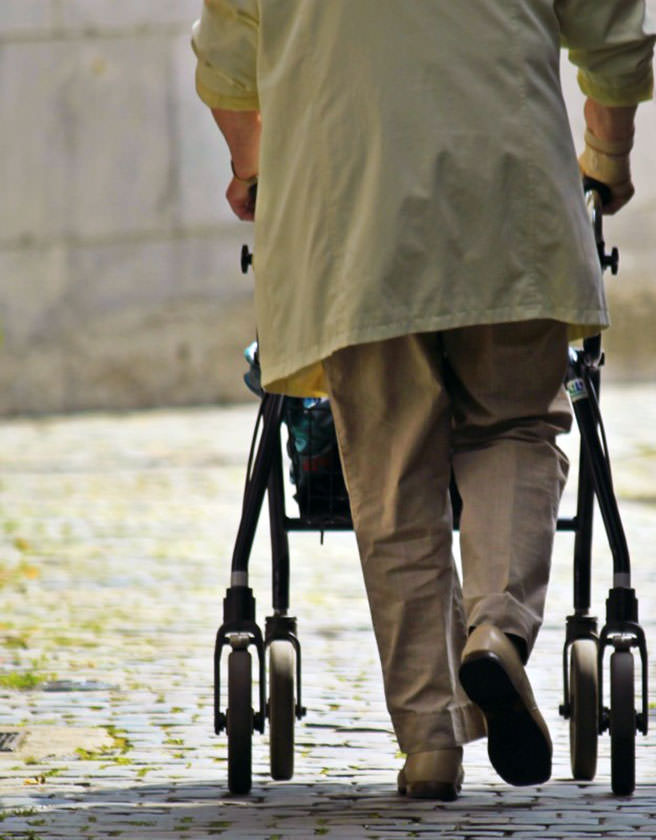
Old person with a walking frame

Repair their property’s exterior

Your parents’ garden could be filled with many safety hazards. It is important to review their exterior to prevent potential dangers when your parents leave and enter their home.

For example, you should repair cracked or uneven paving, and you could install a ramp to accommodate wheelchairs, mobility scooters or walking aids.

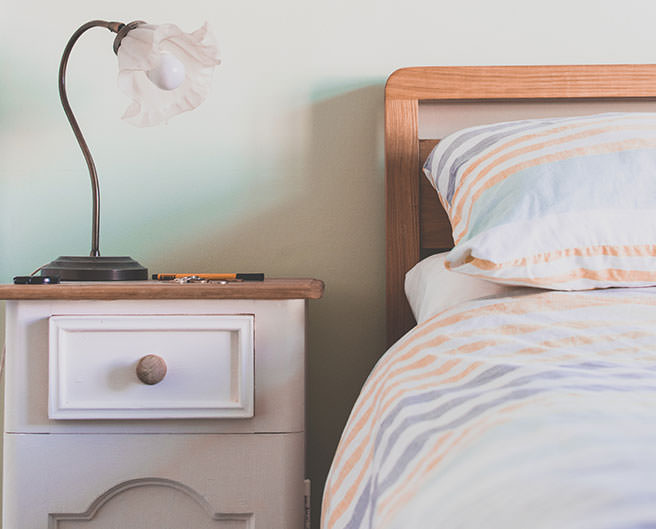
Bed with edside lamp on a side table

Illuminate their home

Seniors can experience decreased vision as they grow older, which is why you should increase lighting both inside and outside of the home.

For example, add extra lamps to their bedside tables, so they can easily see in the dark, and consider options that turn on and off at a touch of a finger. You can also increase their property’s security by installing motion sensor lights on front and back door locks, as well as on ramps and stairs.

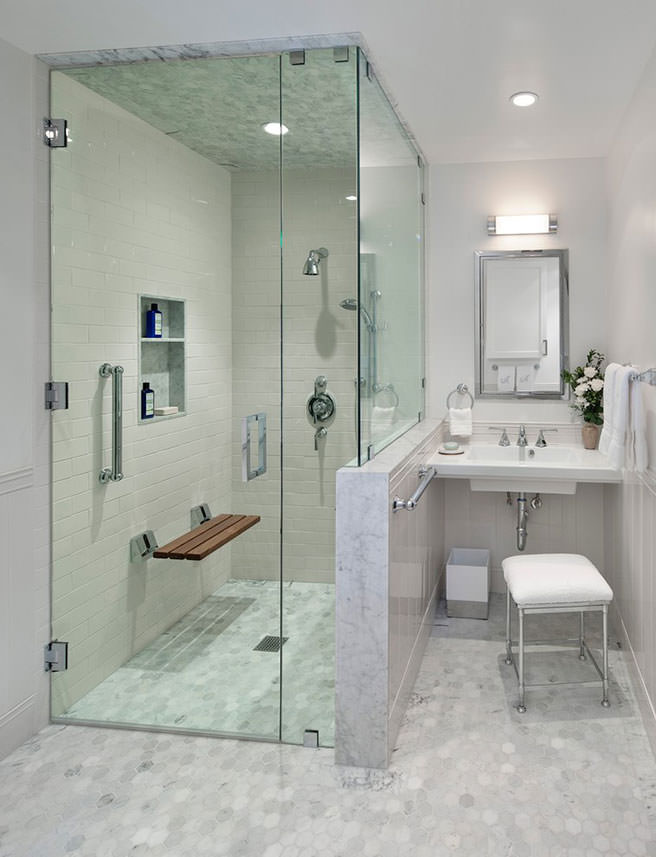
Bathroom with disability aids such as hand rails and shower seatcredit

Create a safe, accessible bathroom

Unfortunately, many elderly people commonly experience slips and falls in the bathroom. If you’re concerned about your parent stepping into the bath or shower, you should aim to create a safe, accessible bathroom to ensure their safety when bathing.

For example, you could:

  • Add slip-prevention flooring (non-skid bath mats, non-slip strips, and non-slip rug tape)
  • Install grab bars in the shower, bathtub and next to the toilet
  • Add a folded seat or bench into the shower or bath

Hands holding the hand of and elderly person

Secure in-home care

Of course, your ageing loved one might require much more than grab rails, ramps and motion sensor lighting.

If you want to help them remain within their home without sacrificing on their quality of life, you can take your pick from affordable in-home care services to support senior living, as a caregiver can help with meal preparation, light housework and laundry. Visit www.inhomecare.com to learn more.

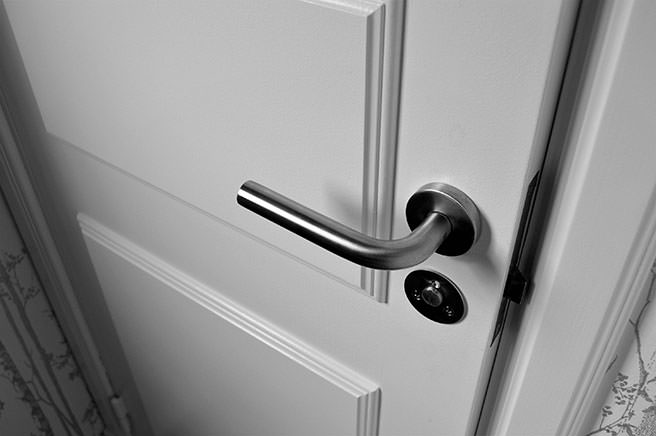
Brushed aluminium lever door handle

Make simple changes to their interior

There are, however, small changes you can instantly make to their home to create a safe space for your elderly parents, which will not cost a substantial amount of money. For example, you could:

  • Apply non-slip wax to their flooring
  • Remove throw rugs
  • Keep steps clear
  • Clear clutter and electrical cords
  • Add a raised toilet seat
  • Switch door knobs for lever handles
  • Remove wheels from chairs

Prevent scalding

As older adults can develop thinner skin, they’re more susceptible to severe scalding burns.

Protect them when using water by installing anti-scalding devices onto their sink, shower and bath which can recognise when the water becomes too hot and will stop the flow.

Alternatively, you could adjust their boiler’s thermostat to ensure it remains at or below 120º.

[disclosure*]